Why Paragraph of the Week Works — And How to Use It in Your Classroom
If you’ve ever stared at a stack of essays thinking, "How do I get my students to write stronger, clearer, more text‑based paragraphs?" — you’re not alone. Secondary ELA teachers everywhere are searching for practical, repeatable systems that build writing stamina without overwhelming students or teachers.
That’s exactly why I created my Paragraph of the Week program, which has become one of the most effective, teacher‑loved routines for grades 6–12. It’s predictable. It’s scaffolded. It’s standards‑aligned. And most importantly, it works.
Below, you’ll find everything you need to know about how Paragraph of the Week supports text‑based writing, improves standardized test performance, and helps struggling writers finally feel successful.
1. What Is Paragraph of the Week?
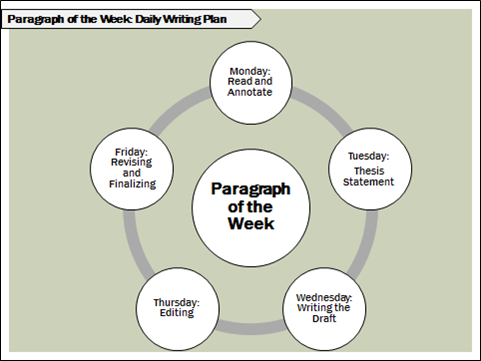
Paragraph of the Week is a structured, text‑based writing routine where students read a short stimulus (fiction, nonfiction, poetry, images, or informational text) and respond to a prompt using evidence.
Each week, students:
- Read a short text or stimulus
- Respond to a text‑based prompt
- Draft, revise, and polish a single paragraph
- Use a rubric and self‑reflection
- Submit a complete, high‑quality constructed response
This routine mirrors the expectations of most state writing assessments, which require students to cite evidence, explain reasoning, and write clearly under time constraints.
2. Why Text‑Based Prompts Matter
Text‑based writing is now the backbone of standardized assessments — and for good reason. When students must return to a text multiple times with a purpose, comprehension deepens, and writing becomes more precise. Not to mention that for Advanced Placement testing success across all subjects, as well as being ready for the rigor needed for college-level reading and writing.
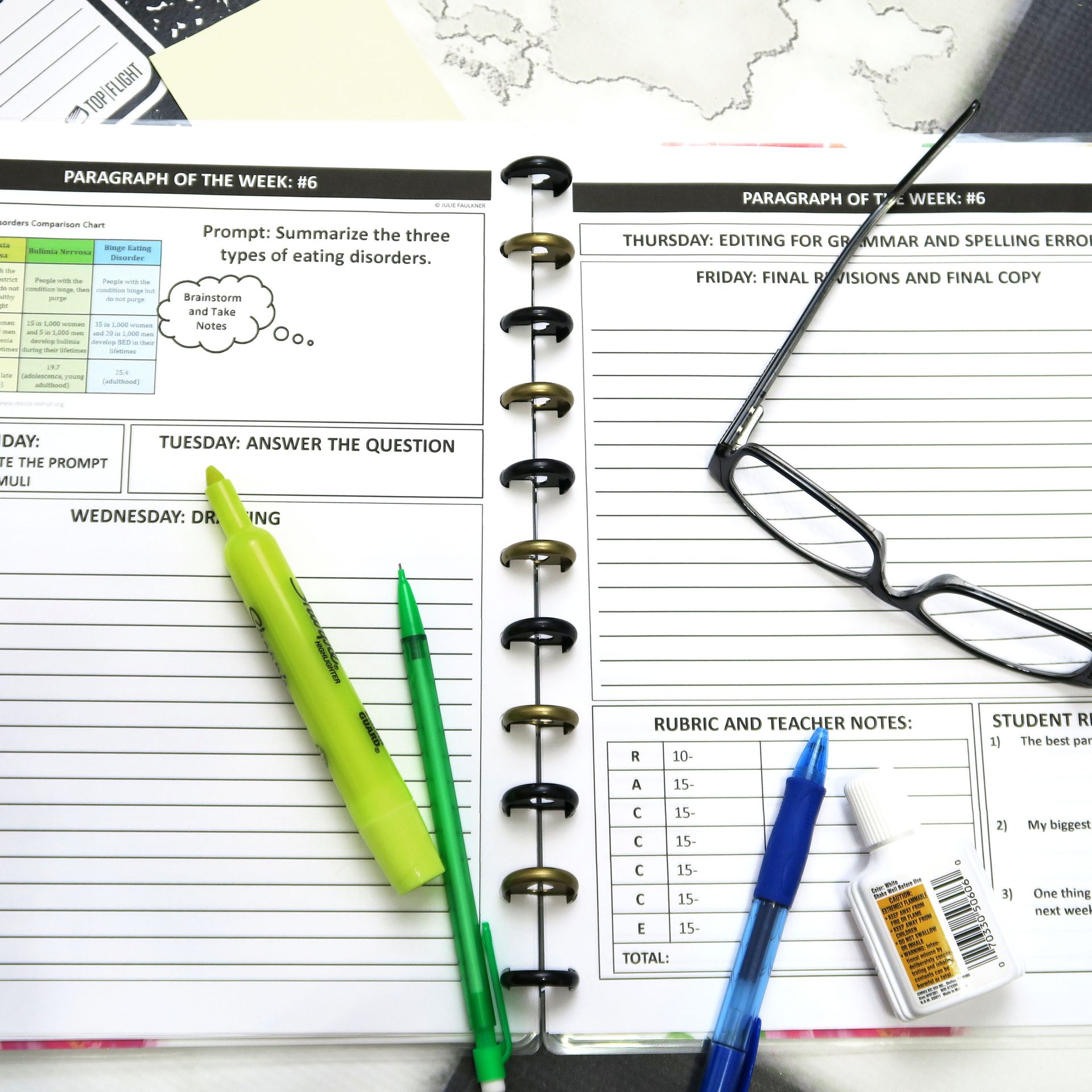
My Paragraph of the Week bundle includes:
- 38 original prompts
- Stimuli from multiple genres
- Tasks that require citing evidence
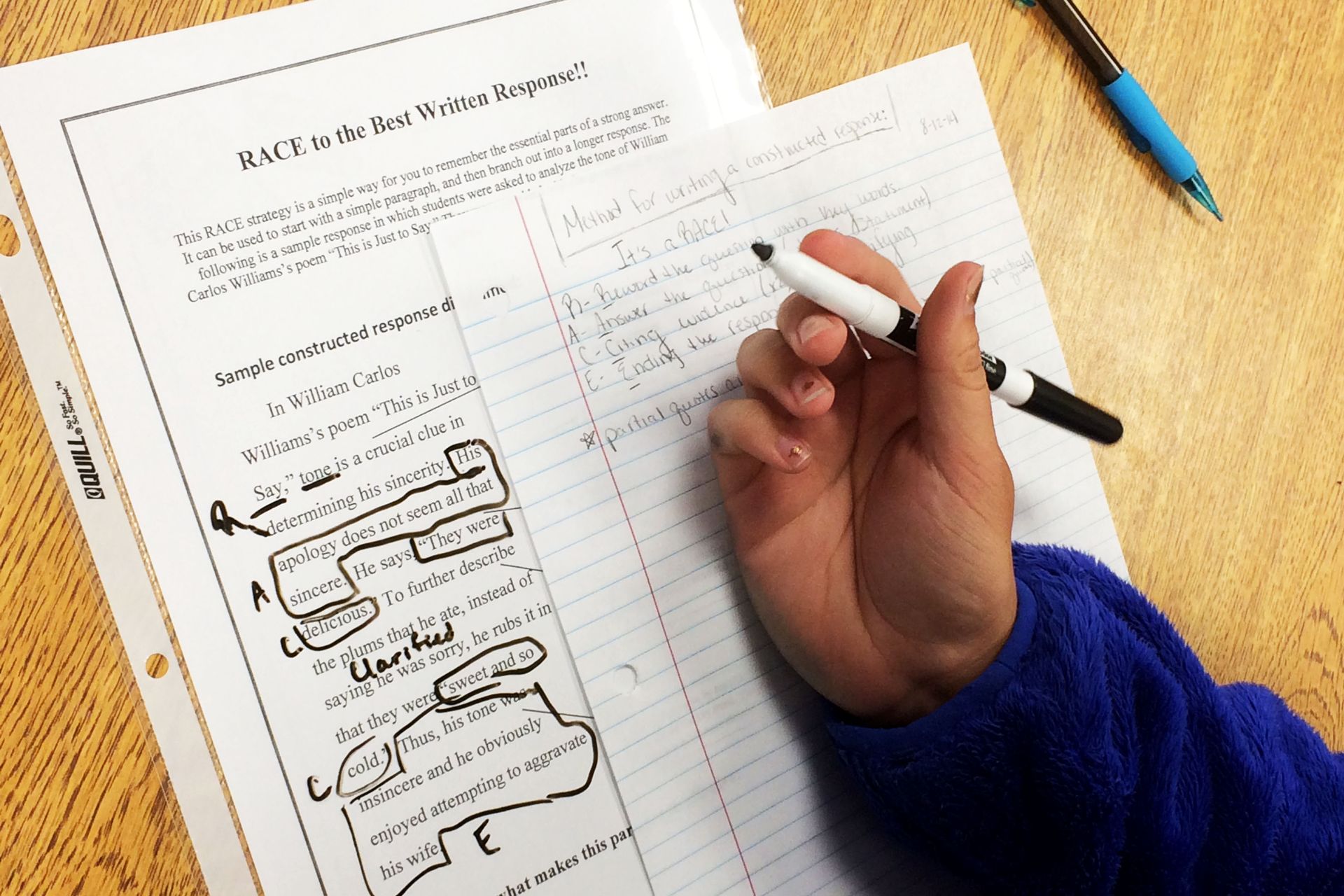
- Opportunities for students to practice RACE or your preferred strategy
This means students get repeated exposure and prep to the exact skills they’ll need for high‑stakes writing tasks.
3. Why the Weekly Routine Works (The Pedagogy Behind It)
Research is clear: frequent, low‑stakes writing builds stronger writers.
Paragraph of the Week works because:
- Students revisit the same piece of writing multiple times
- The cognitive load stays manageable
- The routine builds confidence and stamina
- Revision becomes a natural part of the process
- Teachers can give quick, targeted feedback
Instead of rushing through full essays, students master the building block of all writing: one strong paragraph.
4. Flexible Implementation for Any Classroom
Teachers love this system because it works in:
- ELA
- Science
- Social studies
- Intervention/RTI
- Writing centers
- Bell ringers
- Homework
- Extended class periods
- Digital or paperless classrooms
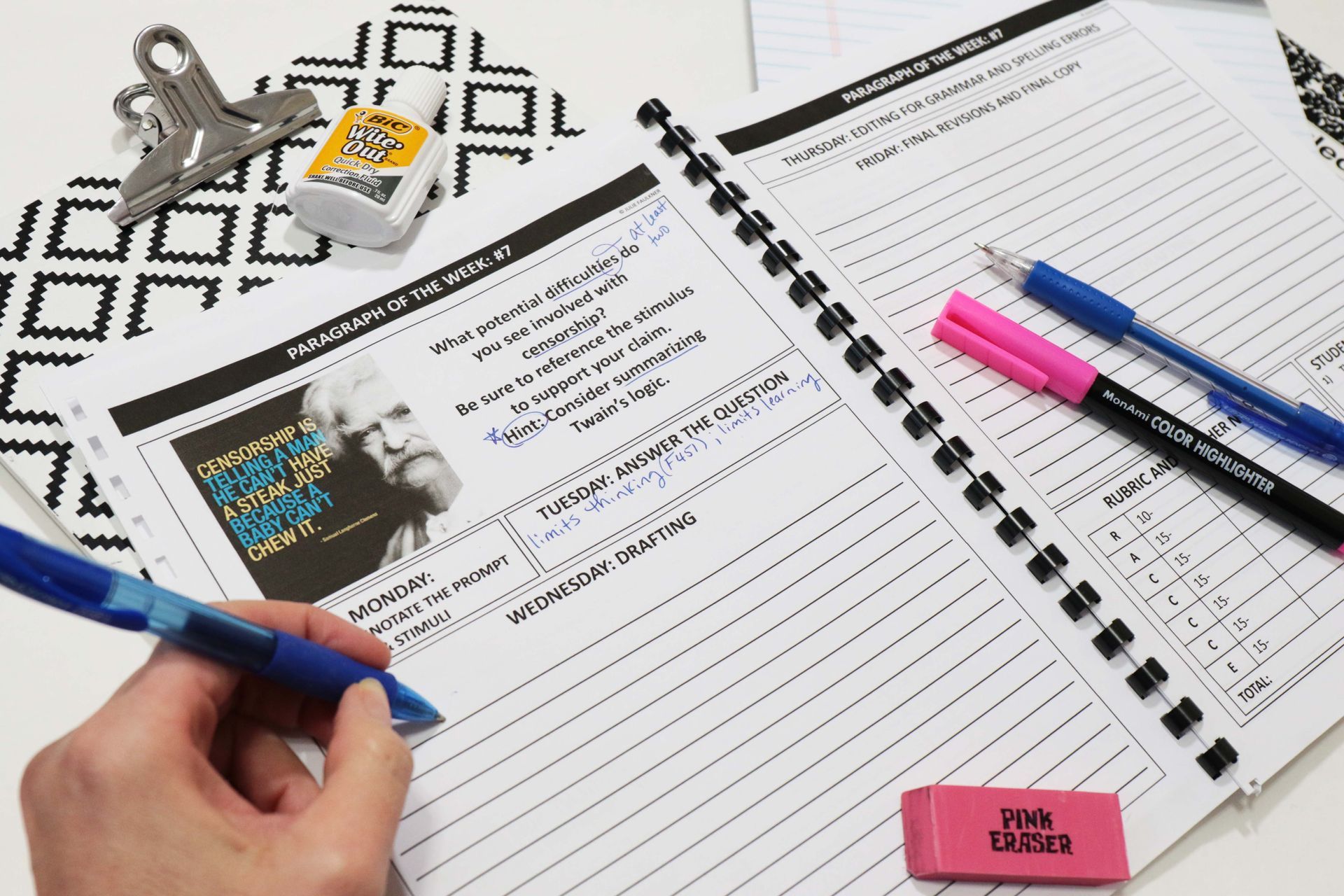
My bundle includes:
- Projectable prompts (PDF + PPT)
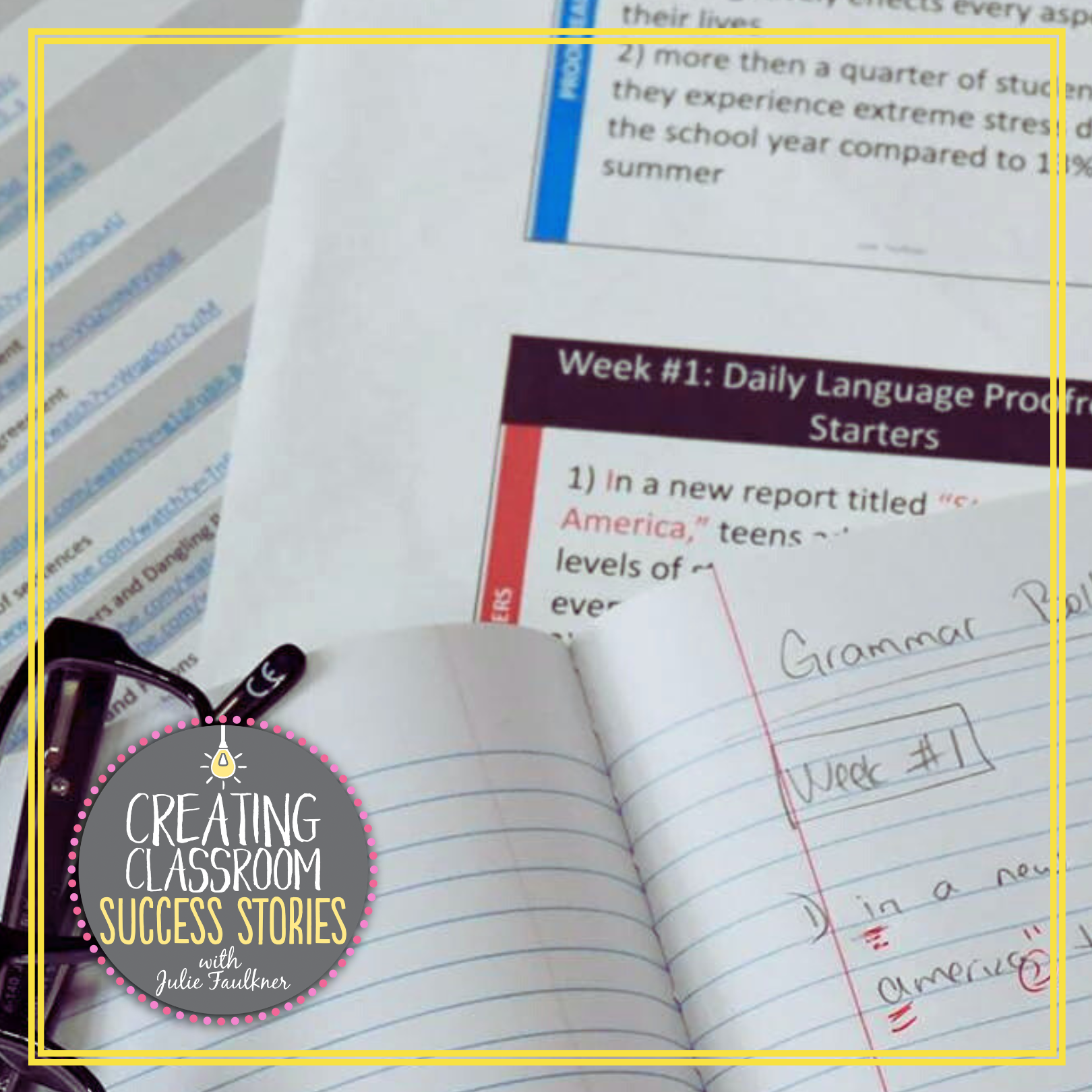
- Printable + digital writer’s notebook
- Daily task outline
- Rubric
- RACE strategy slides
- Classroom poster
- Editable files for easy differentiation
Whether you want a full writing workshop routine or a simple weekly warm‑up, Paragraph of the Week adapts to your schedule.
5. Real Teacher Results = Classroom Success Stories
Teachers consistently report:
- Higher test scores
- Stronger text‑based writing
- More confident struggling writers
- Better paragraph structure
- Faster grading
- Increased engagement
One teacher shared:
♥ “The focus on writing one good paragraph is an important building block. Too often we ask for longer pieces, and the students continue to concentrate on quantity rather than quality.”
Another said:
♥ “I’ve already seen an increase in test scores and grades. This is the most useful product I’ve purchased.”
When a routine is simple, predictable, and rooted in strong pedagogy — students thrive.
Conclusion
Building strong writers in middle and high school doesn’t require complicated programs or hours of extra grading — it requires consistent, meaningful practice with the skills that matter most. A paragraph of the week routine gives students repeated exposure to text‑based writing, evidence citation, and clear paragraph structure in a way that feels manageable for both teachers and learners. Whether you use it as a bell ringer, a writing workshop routine, or a weekly constructed response practice, this simple structure helps students grow their confidence and stamina one paragraph at a time. If you’re looking for a sustainable approach to evidence‑based writing instruction that supports all learners — from struggling writers to honors students — this routine is a powerful place to start.
Love this content?
Sign up for my email newsletter with more tips, ideas, success stories, and freebies!