No More 'IDK': Effective Strategies for Teaching Poetry in Secondary ELA

You know it. That moment when you ask, “What do you think this poem means?” and a student shrugs with a painfully honest, “I don’t know.”
It’s not that they’re being defiant. Most of the time, they really don’t know how to start. That’s where we English teachers come in. I’ve learned that with a few small shifts, we can build students’ confidence in reading poetry before they even have the chance to feel lost.


These are my go-to strategies for getting ahead of the IDK spiral and making poetry feel less like a mystery and more like a meaningful experience.

Start with Accessible Poems

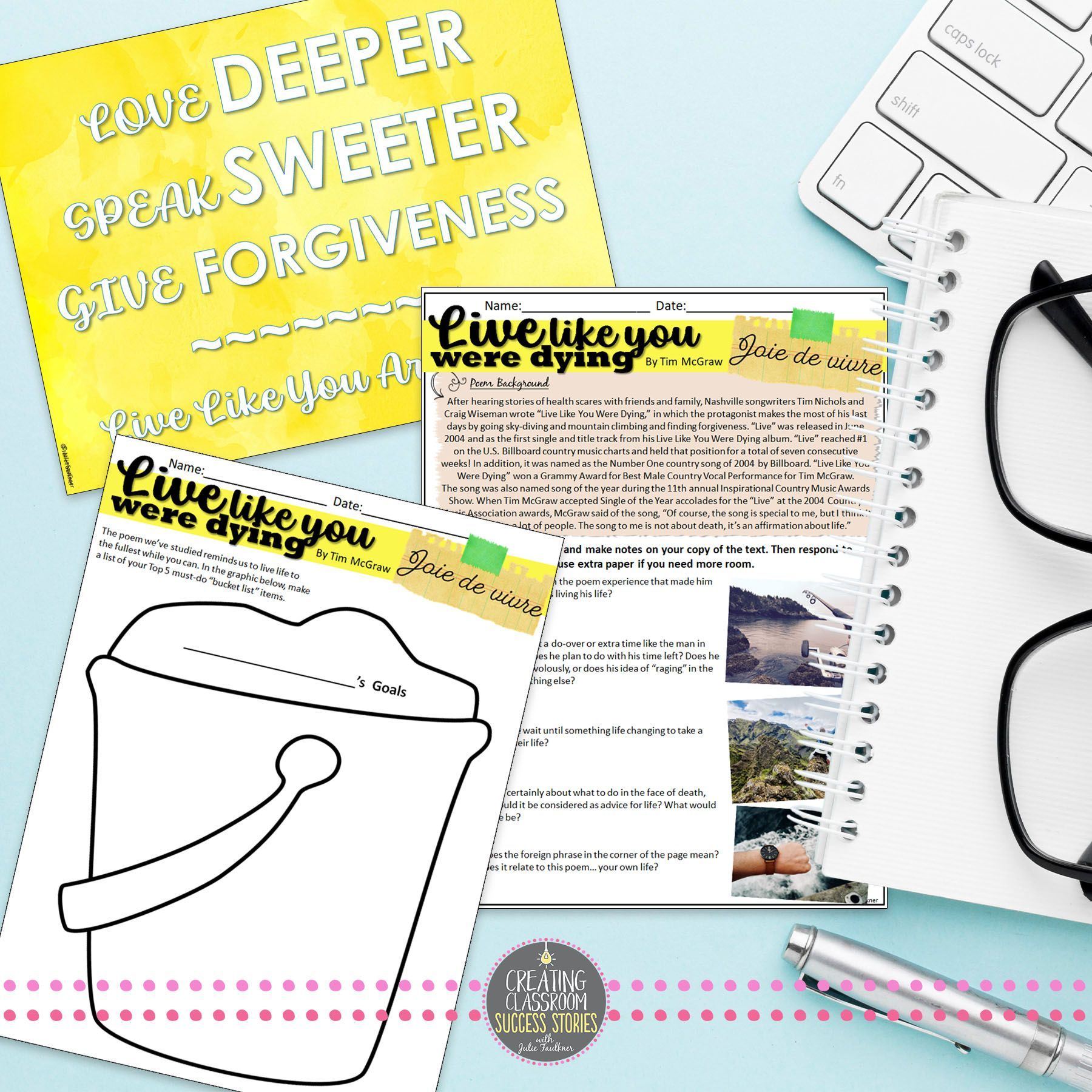
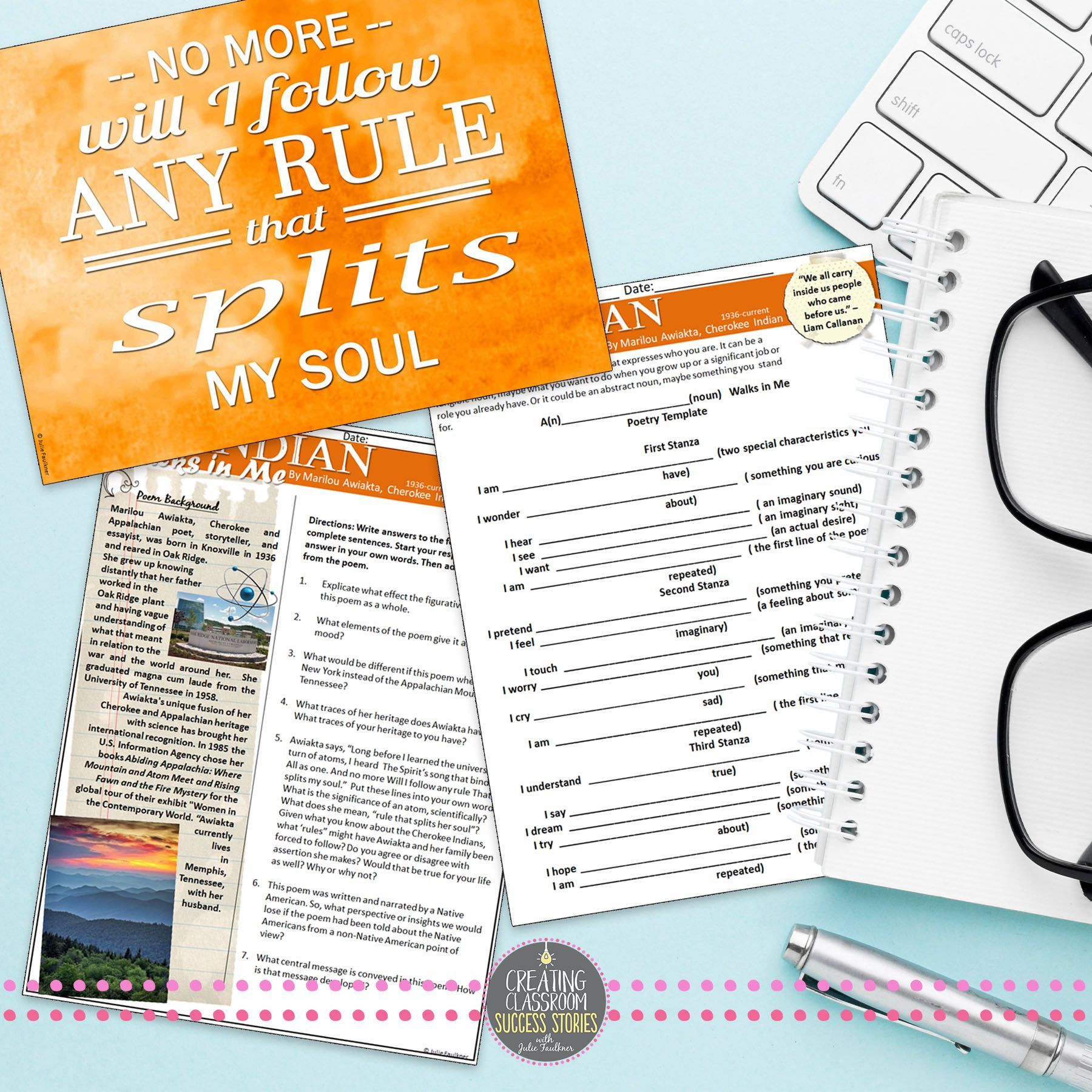
There’s no shame in starting simple. In fact, it’s strategic. When students feel like they get it, they’re more willing to try again. I always begin with high-interest, relatable poems that are emotionally resonant and easy to follow—no dense metaphors or Shakespearean syntax required.


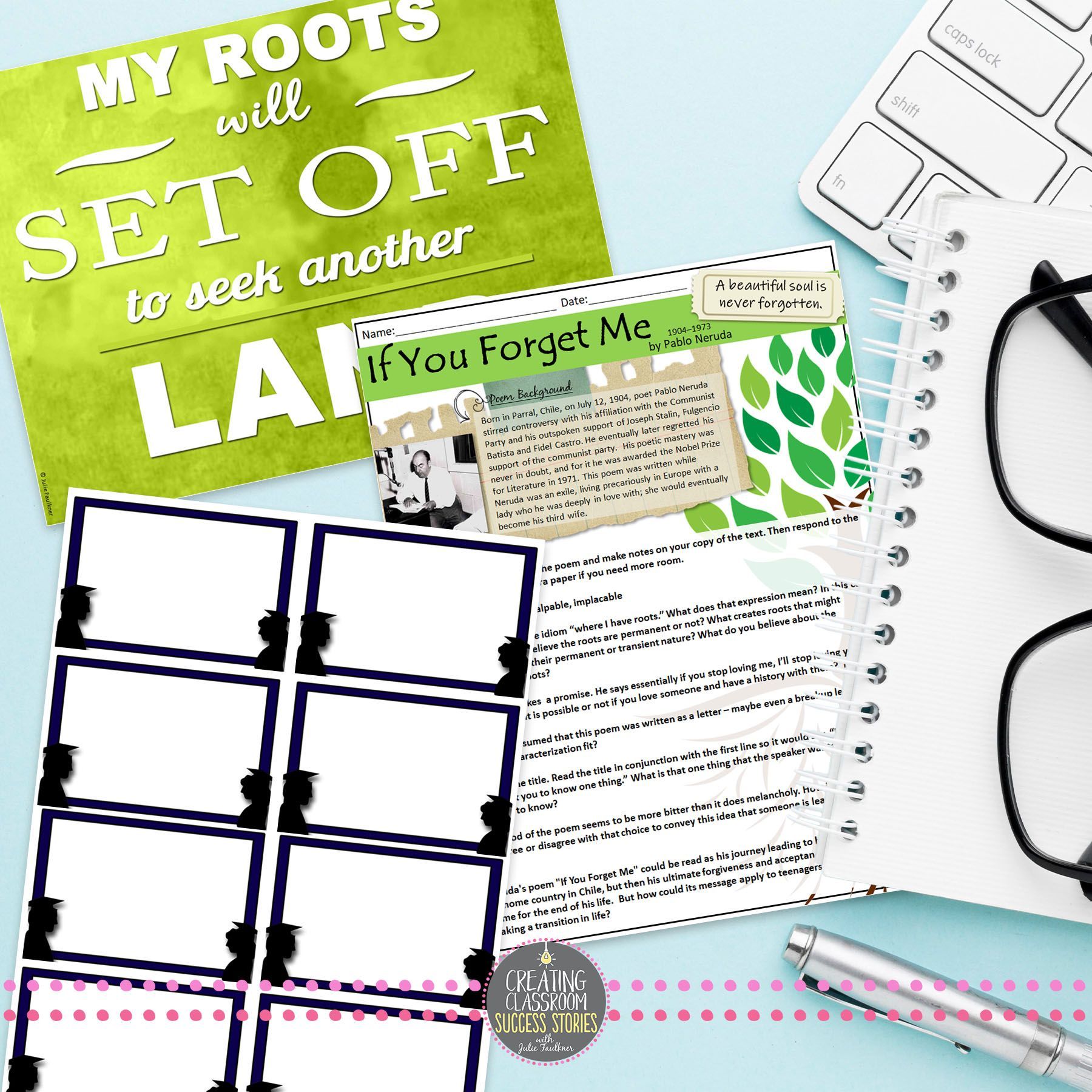
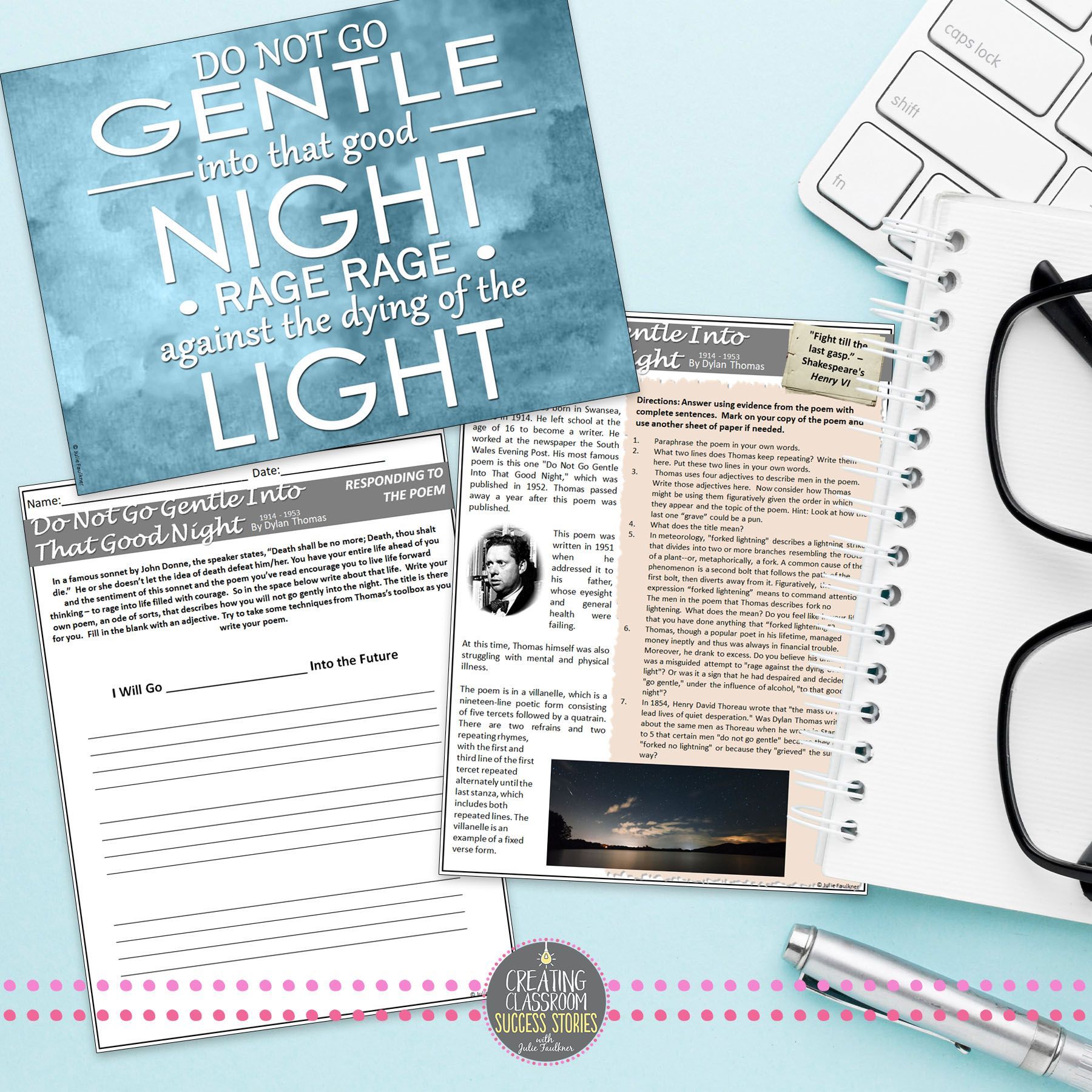
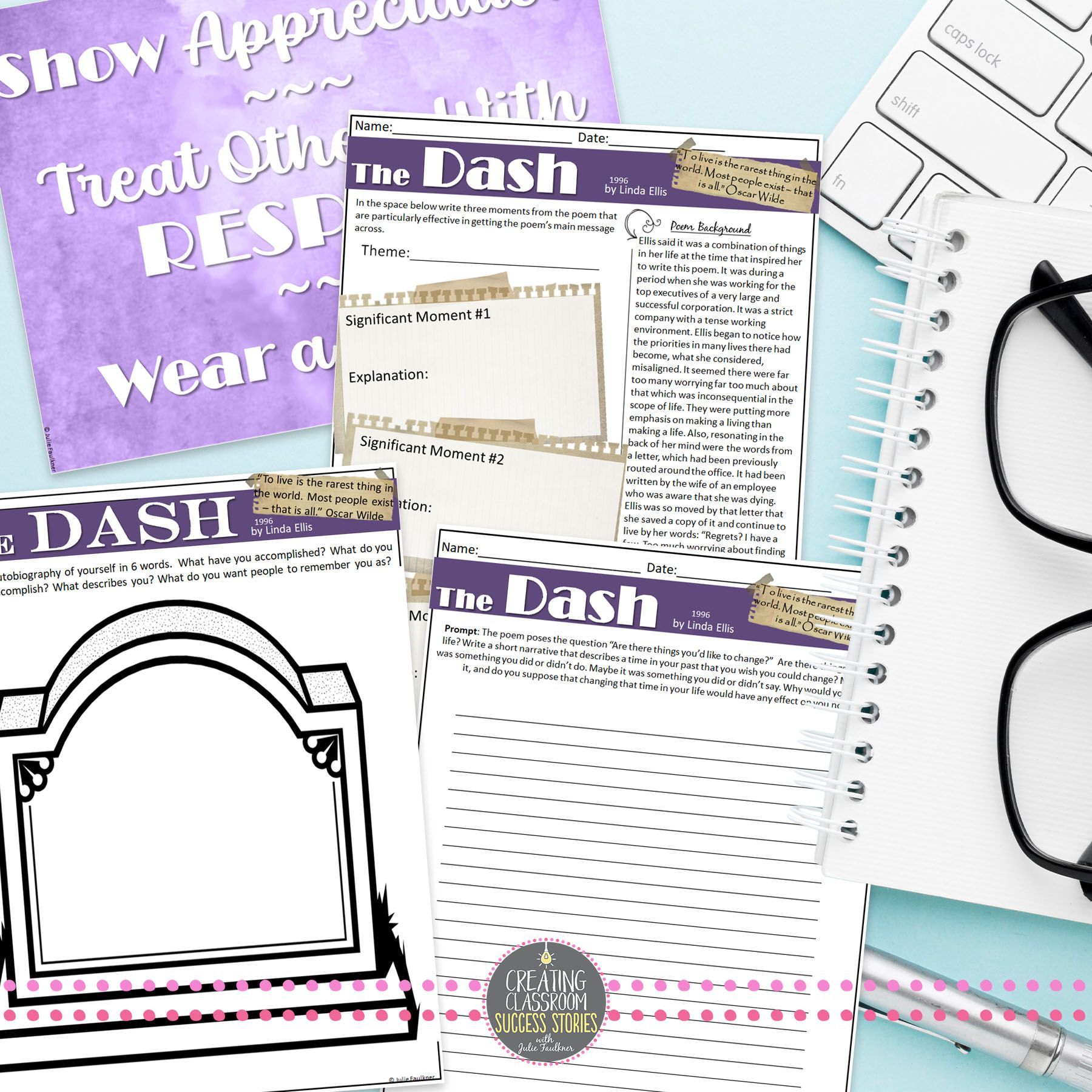
(Pro Tip: My Poetry Mini Lessons, Surviving Senioritis & End-of-Year, BUNDLE of Five Poems includes just-right texts that ease students into analysis without overwhelm.)
Model the Process

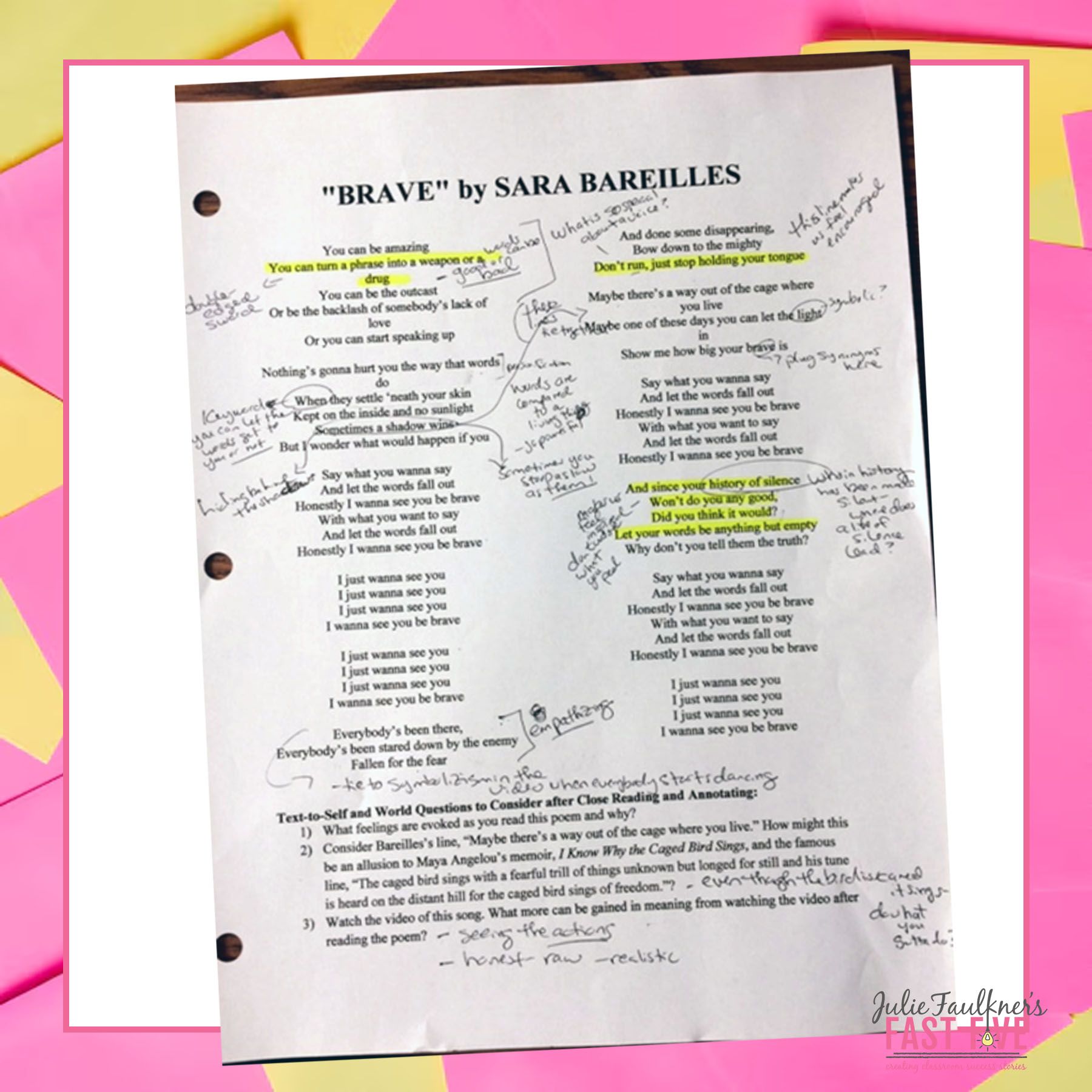
Reading poetry is a learned skill, not a magical talent. I take time to read poems aloud and think through my annotations in real time—What do I notice? What’s confusing? What stands out? Students need to see that even we don’t always “get it” right away. That vulnerability builds trust and skills.
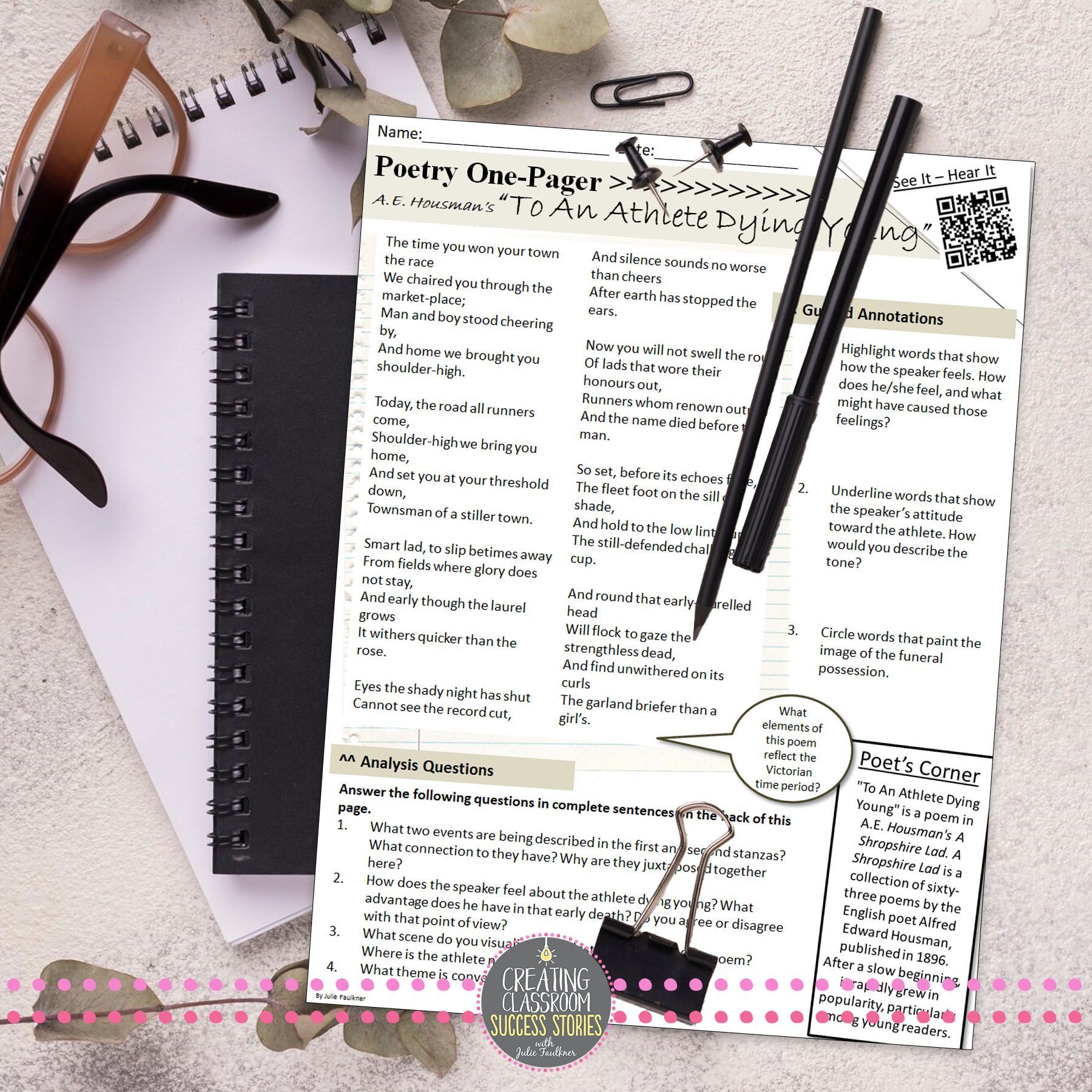
Use Guided Annotations

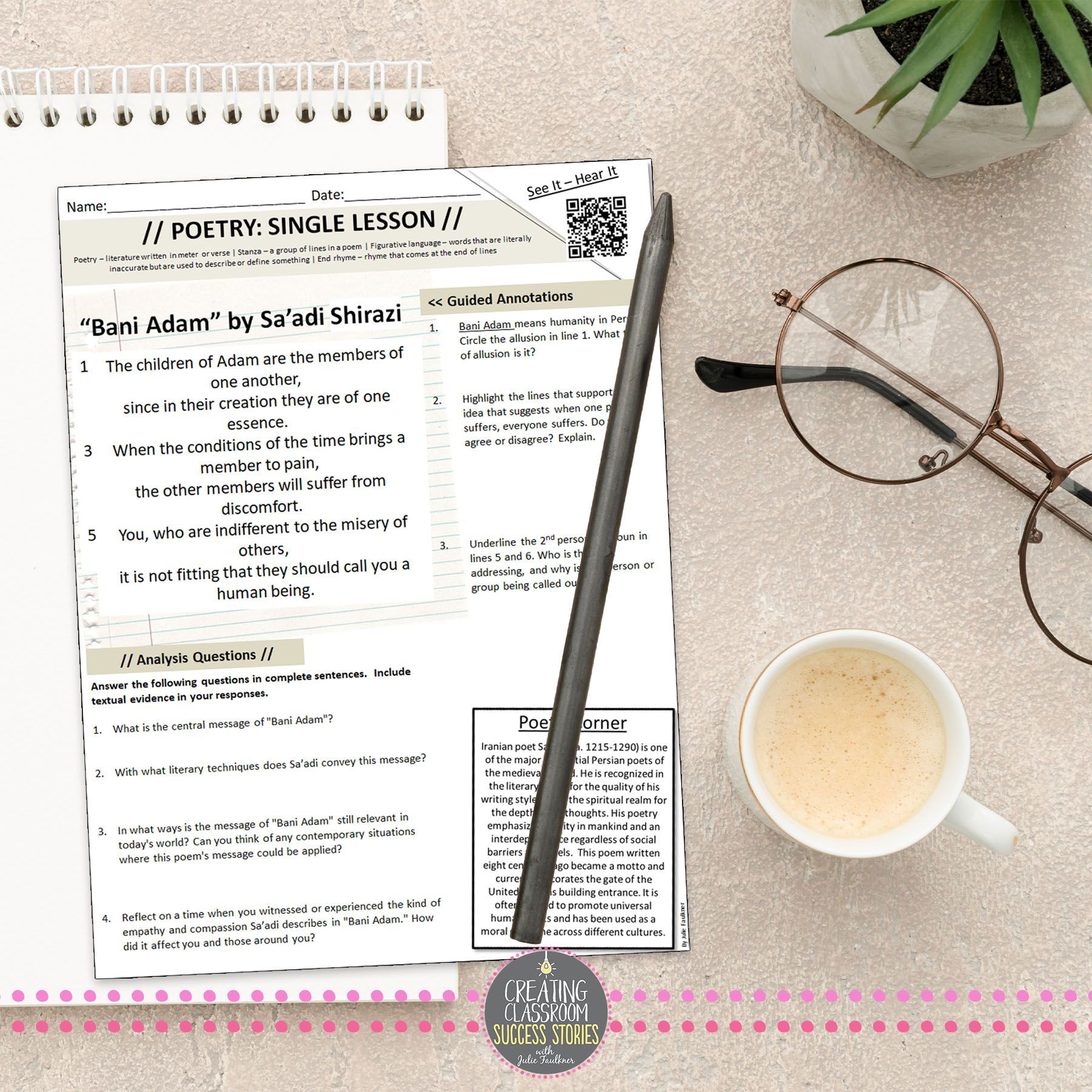
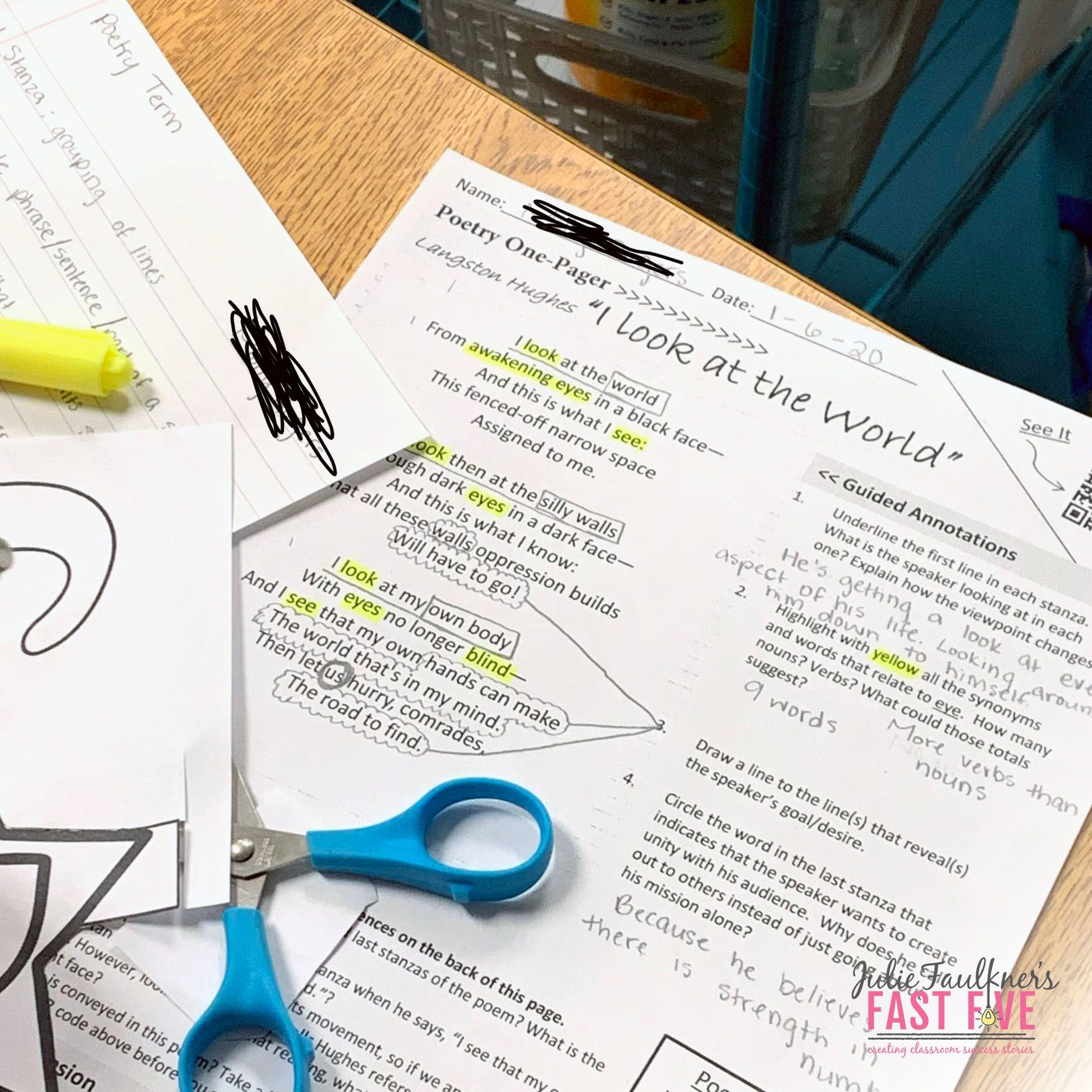
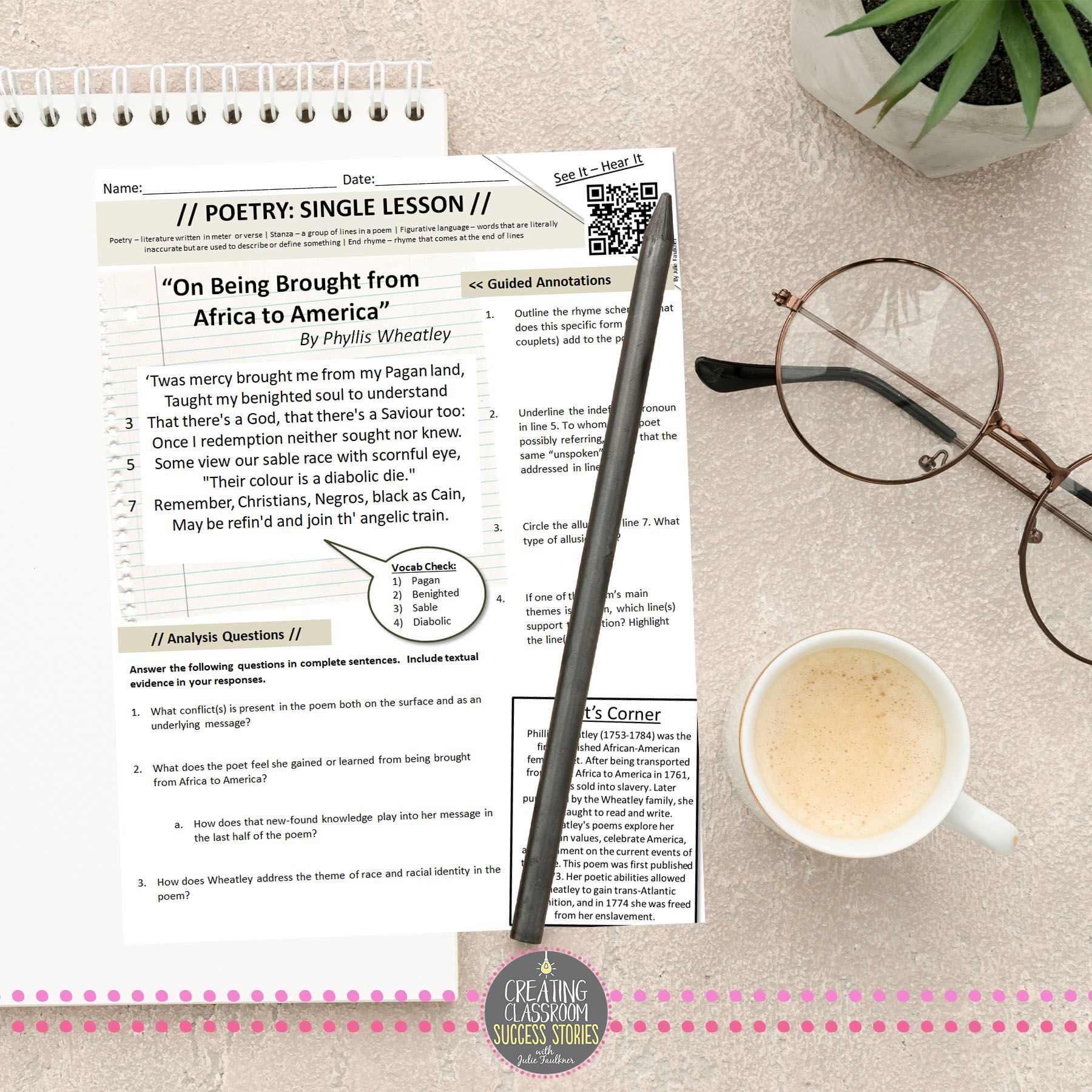
My favorite teaching “hack” for teaching poetry and beating the "IDK" response? Guided annotations. Instead of asking students to dive into a blank poem with zero direction, I give them prompts:

  • What’s the tone in stanza 1?
  • Highlight with a blue highlighter all of the negatively connotated words.
  • Circle any repeated words.

This turns passive reading into active thinking—and it works across genres, not just poetry. Students start to see patterns and from those patterns... meanings!


(Pro Tip: You can grab a done-for-you set of
Guided Annotations for Any Text for FREE here and watch a video where I explain my process for guided annotations more in depth.)
Chunk with an Accessible Strategy

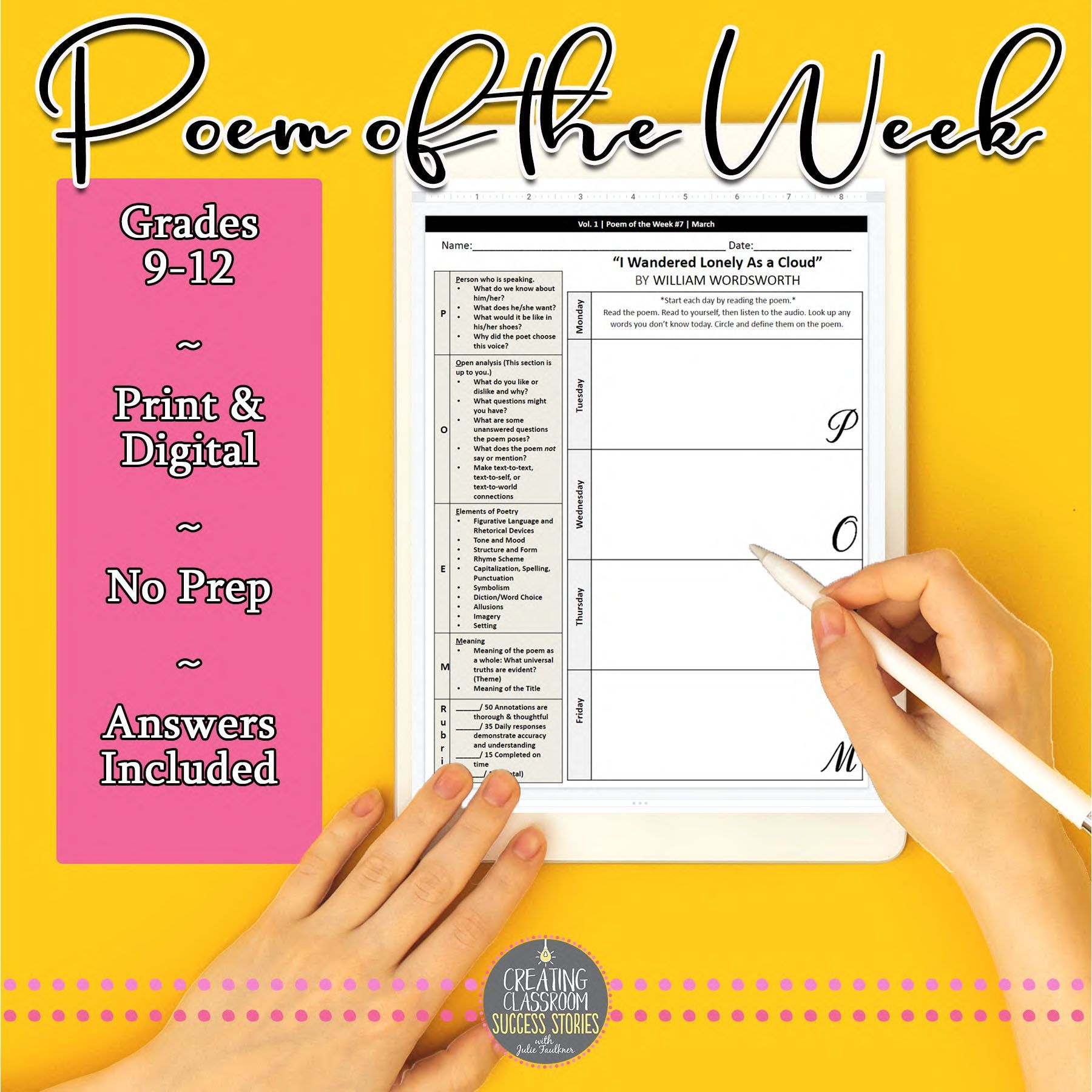
I teach students to take it one bite at a time using a poem acronym or chunking strategy. Think: structure, shifts, tone, title, theme. This scaffolding gives them a roadmap and helps them process the poem in manageable pieces.


If you want an easy-to-implement structure, I share my go-to Poetry Analysis Acronym Strategy in this video.
Poem of the Week, Teaching Poetry

Pair Poems with Other Texts

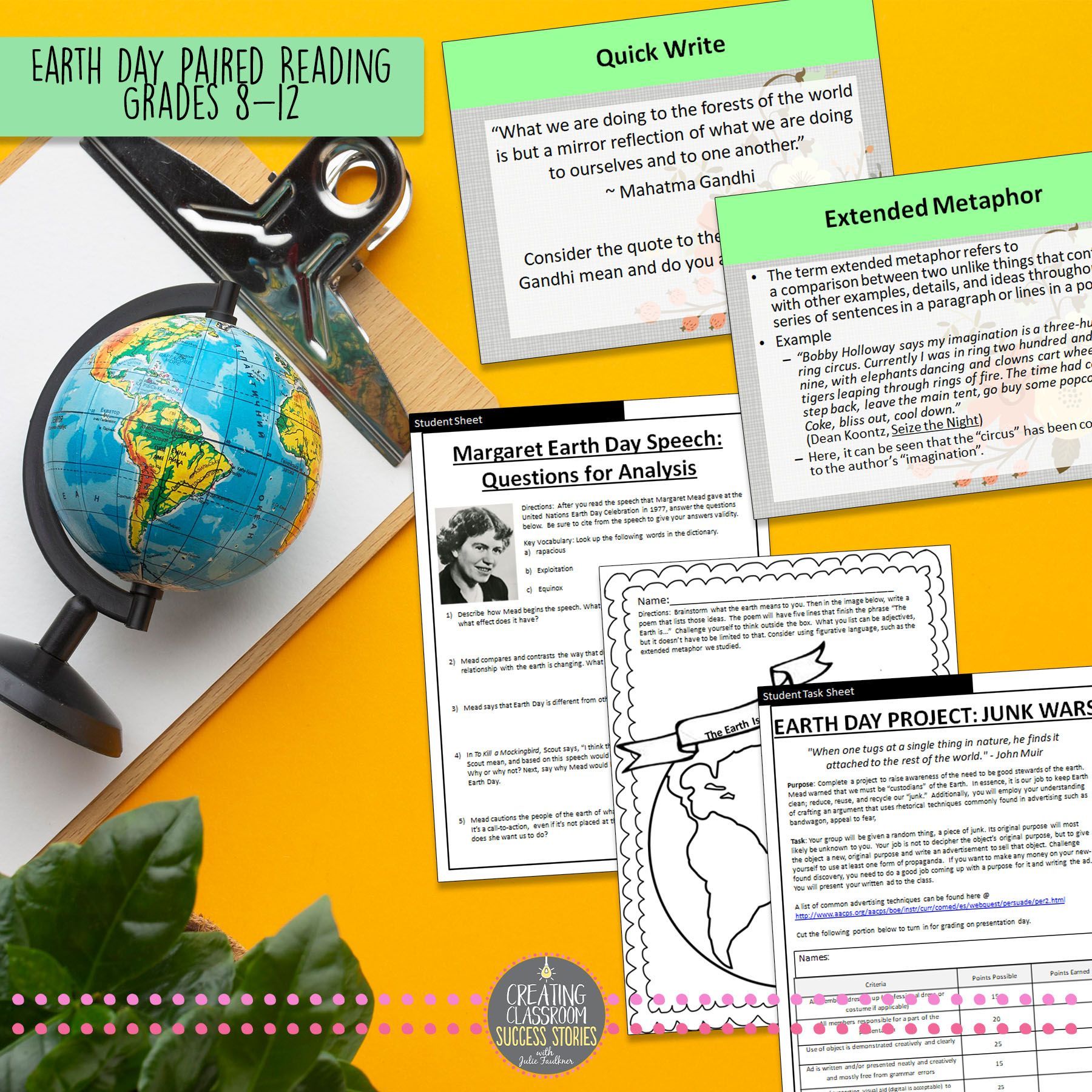
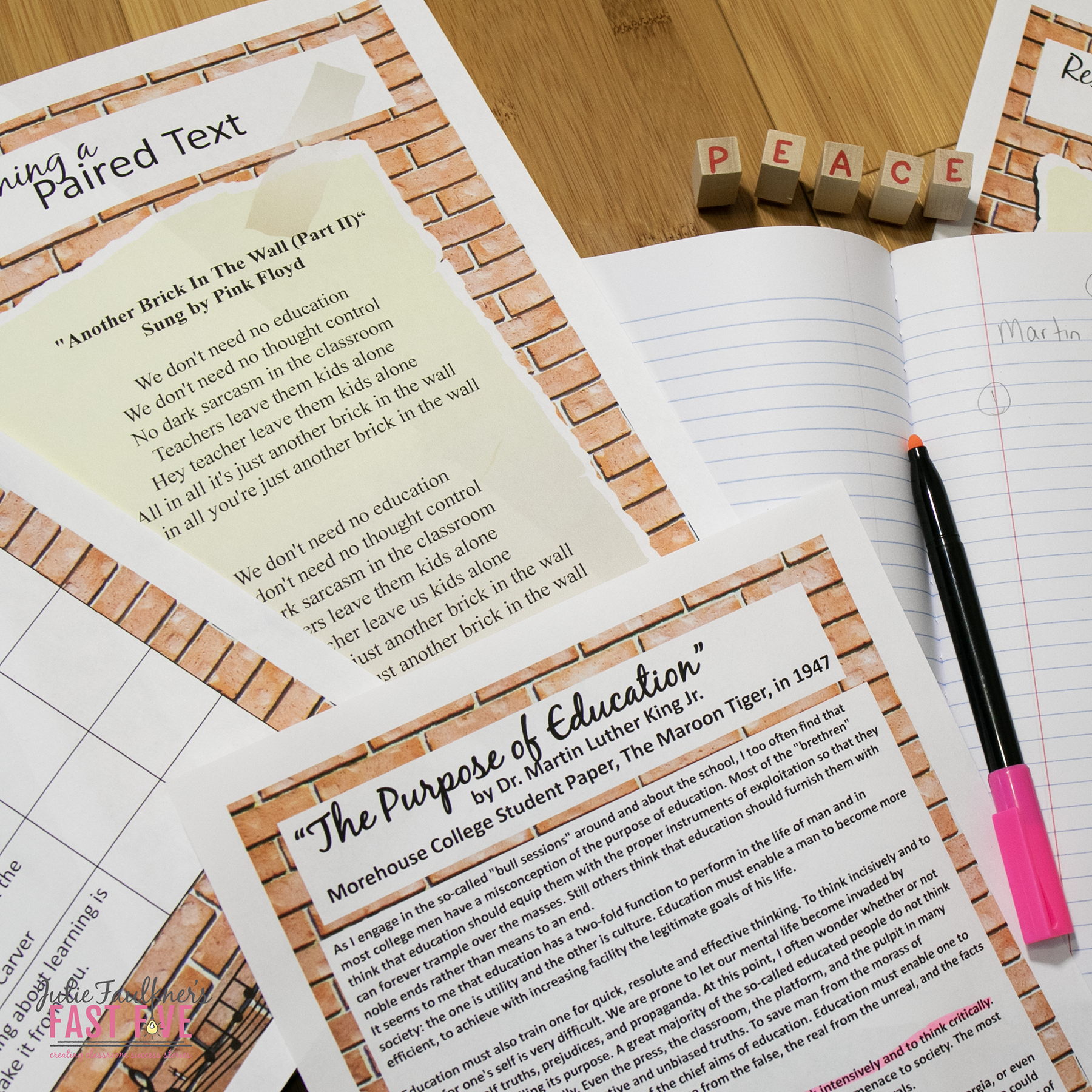
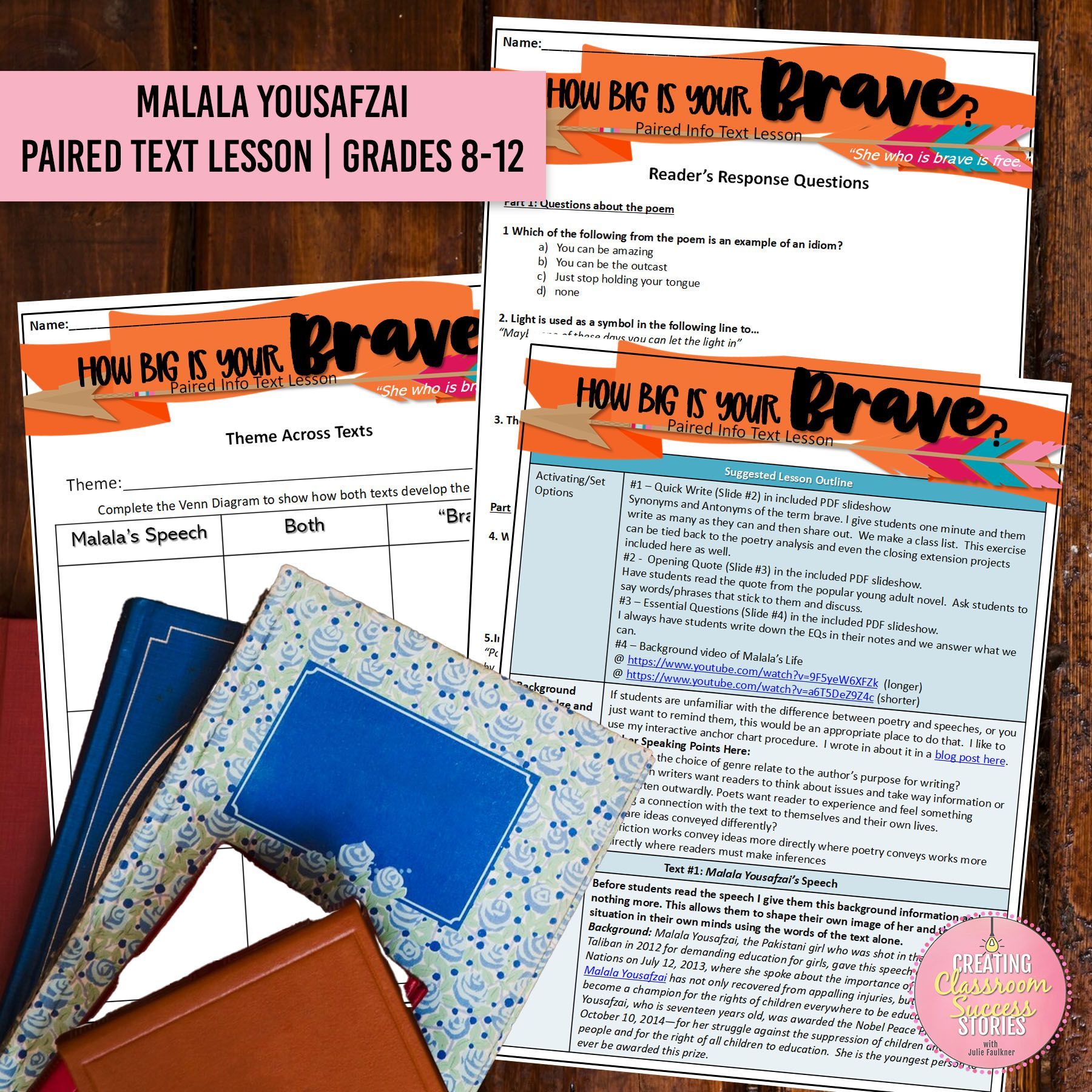
When poetry is part of a bigger conversation—paired with fiction, nonfiction, or even media—it just clicks more easily. Students already have a framework for the theme or tone, so the poem becomes an extension, not a stand-alone puzzle.


Try pairing a poem with a TED Talk, short story, or even a podcast—suddenly the theme stands out, and analysis feels purposeful. Pairing poetry is also an effective differentiation for accelerated learners, and it promotes critical thinking as students are exercising their ability to make connections across texts.
Conclusion

Helping students get poetry isn’t about dumbing it down—it’s about giving them the tools and confidence to dig in. By frontloading these strategies, we shift the focus from “I don’t know” to “Here’s what I noticed.” And that’s where the real magic starts!


If you’re ready to make poetry feel less intimidating and more engaging, explore my Poetry Resource Collection for easy-to-use tools that support every strategy in this post.
Teaching Poetry

Love this content?

Sign up for my email newsletter with more tips, ideas, success stories, and freebies!
Why Paragraph of the Week Works & How to Use It in Your Classroom
By Julie Faulkner January 1, 2026
Discover why paragraph‑of‑the‑week routines improve constructed responses, deepen comprehension, and build confident writers in grades 6–12 through weekly practice. If you want, I can tailor one specifically to your blog title or audience tone.
how to teach a novel effectively | standards-based novel study | whole novels vs excerpts
By Julie Faulkner December 26, 2025
Teach whole novels with purpose. Learn why full books build stamina, deep thinking, and real literacy skills in a world obsessed with excerpts.
Homecoming & Spirit Week Costumes: Easy, Real-Life Outfit Ideas for Teachers
By Julie Faulkner September 22, 2025
Easy Spirit Week/Homecoming/School Dress Up Day costume ideas for teachers! Fun, last-minute dress-up day outfits you can pull from your own closet!
Discover yearbook theme ideas and development tips. Learn how to choose, design, and promote a meani
By Julie Faulkner September 2, 2025
Discover yearbook theme ideas and development tips. Learn how to choose, design, and promote a meaningful theme that tells your school’s unique story.
Setting Routines in a Yearbook Class: Practical Solutions for Common Challenges
By Julie Faulkner August 4, 2025
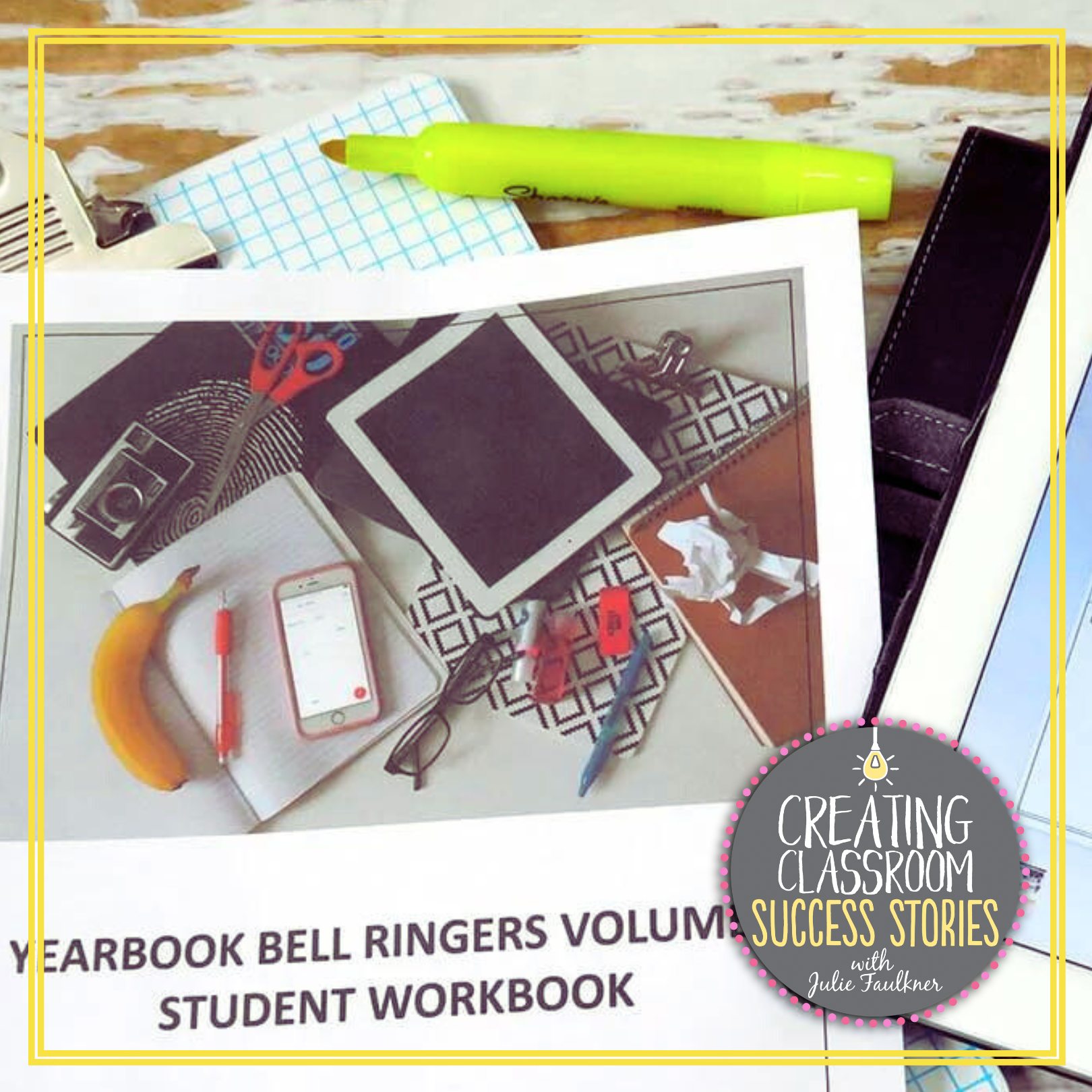
Set your yearbook class up for success at the beginning of the year with 5 essential routines—from bell ringers to file organization—that keep students focused, organized, and deadline-ready.
Back-to-School Teacher Tips Inspired by My Trip to NYC, Classroom Management, Classroom Culture
By Julie Faulkner July 22, 2025
Back-to-school teacher tips inspired by NYC! From classroom management to student engagement, here are 5 teaching strategies and creative ways to start the year strong that I learned from my trip to NYC!
No-Prep High School & Middle School ELA Bell Ringers for Every Day
By Julie Faulkner July 15, 2025
If you're an ELA teacher looking for consistent, no-prep bell ringers for the entire year for middle or high school students, this post is your goldmine. With 36 weeks of grammar practice, writing prompts, poetry analysis, or reading comprehension activities, you’ll have your entire year of bell ringers planned!
Plant-Themed, Growth Mindset High School Classroom Design Makeover
By Julie Faulkner June 30, 2025
If you're searching for classroom makeover ideas, growth mindset decor, or creative ways to organize your room for maximum impact, this plant-themed high school English classroom transformation is packed with inspiration.
Old-Fashioned Test Prep That Works: A Proven Approach for Middle and High School English
By Julie Faulkner February 20, 2025
Let me let you in on a little secret: I actually like test prep season! I don't love that students have to take the tests (we can discuss that another day), but what I love is that this time is when we can slow down and reflect. There's no more pressure to teach new material, and it's also a signal that the end of the year is near! However, I know that means students are also super close to done and prepping for tests can really start to wear them thin. That’s why I stick to test prep strategies that work—no fluff, no gimmicks, just solid, old-fashioned review. While flashy new methods come and go, the classic approach still delivers results. By focusing on structured review, targeted practice, and immediate feedback, we can keep students engaged without burning them out. Here’s how to make test prep both effective and manageable.
Mastering Academic Feedback on Writing
By Julie Faulkner January 2, 2025
Providing effective academic feedback on writing is one of the most impactful ways educators can support student growth. Research and experience consistently show that timely, meaningful feedback clarifies expectations and helps students develop critical skills for success in writing and beyond. Whether you’re following evaluation rubrics like TEAM or preparing students for AP Language standards or EOC writing tests, creating a system for giving and receiving feedback is essential. In this post, I’ll summarize five key strategies to make academic feedback a game-changer in your classroom.