How to Proof a Yearbook Spread
Proofing a yearbook spread is one of those tasks everyone knows is important, but no one really teaches you how to do well. And because the book is permanent, the pressure to “get it right” can feel intense — especially when you’re juggling deadlines, student editors, and dozens of moving parts.
Whether you’re trying to avoid common yearbook mistakes, teach students how to proofread effectively, or build a reliable final deadline checklist, having a clear system makes all the difference. These five steps are the exact process I use with my own staff to catch layout issues, name errors, grammar problems, and factual mistakes before the book goes to print.
Here are my Fast Five tips for how to proof a yearbook spread.
1. Print the Spread (Yes, Really)
Screens lie. Printers don’t.
Printing your spread helps you catch:
- layout issues
- spacing problems
- image quality concerns
- color inconsistencies
- awkward text wrapping
- elements that look “fine” on screen but not on paper
Plus, it’s easier for students to mark changes, circle errors, and annotate directly on the page. This is one of the most skipped yearbook proofing steps, and it makes a huge difference.
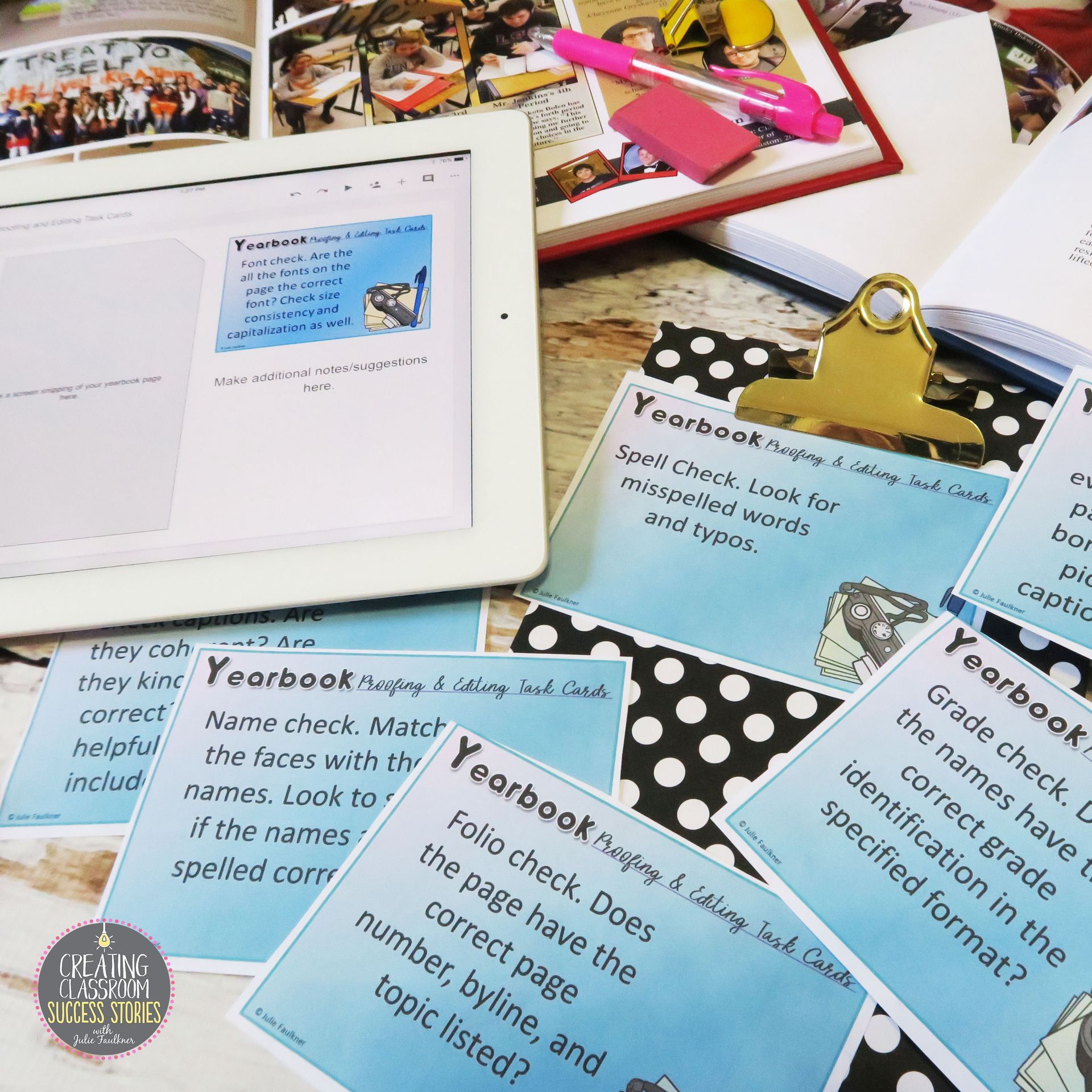
Pro Tip: Place printed pages in stations and use my yearbook proofreading spreads task cards to pinpoint certain issues, make the process more engaging, and ensure nothing gets missed!
2. Check Every Name — Then Check Again
Names are the #1 source of adviser panic and the #1 thing people search for when they get their book.
Have students:
- compare names to the most up‑to‑date rosters (by grade!)
- check for duplicates
- verify spelling
- confirm captions match the correct people
- look for missing names in group photos, portrait pages, ANYWHERE! (Personal worst nightmare that came true: leaving "placeholders" for names like question marks or unknowns instead of the students' names.)
This is the most important part of any yearbook final deadline checklist. If you only do one thing, do this.
3. Use Multiple Proofers (Three Sets of Eyes Minimum)
No one — not even your best editor — catches everything.
I require three different staffers to proofread every spread. Each one catches something new:
- typos
- spacing issues
- repeated photos
- missing details
- grammar errors
- weird formatting
And don’t stop with students.
Get stakeholders involved.
Football page? Let the coach see it.
Band page? Ask the director.
Clubs? Email the sponsor.
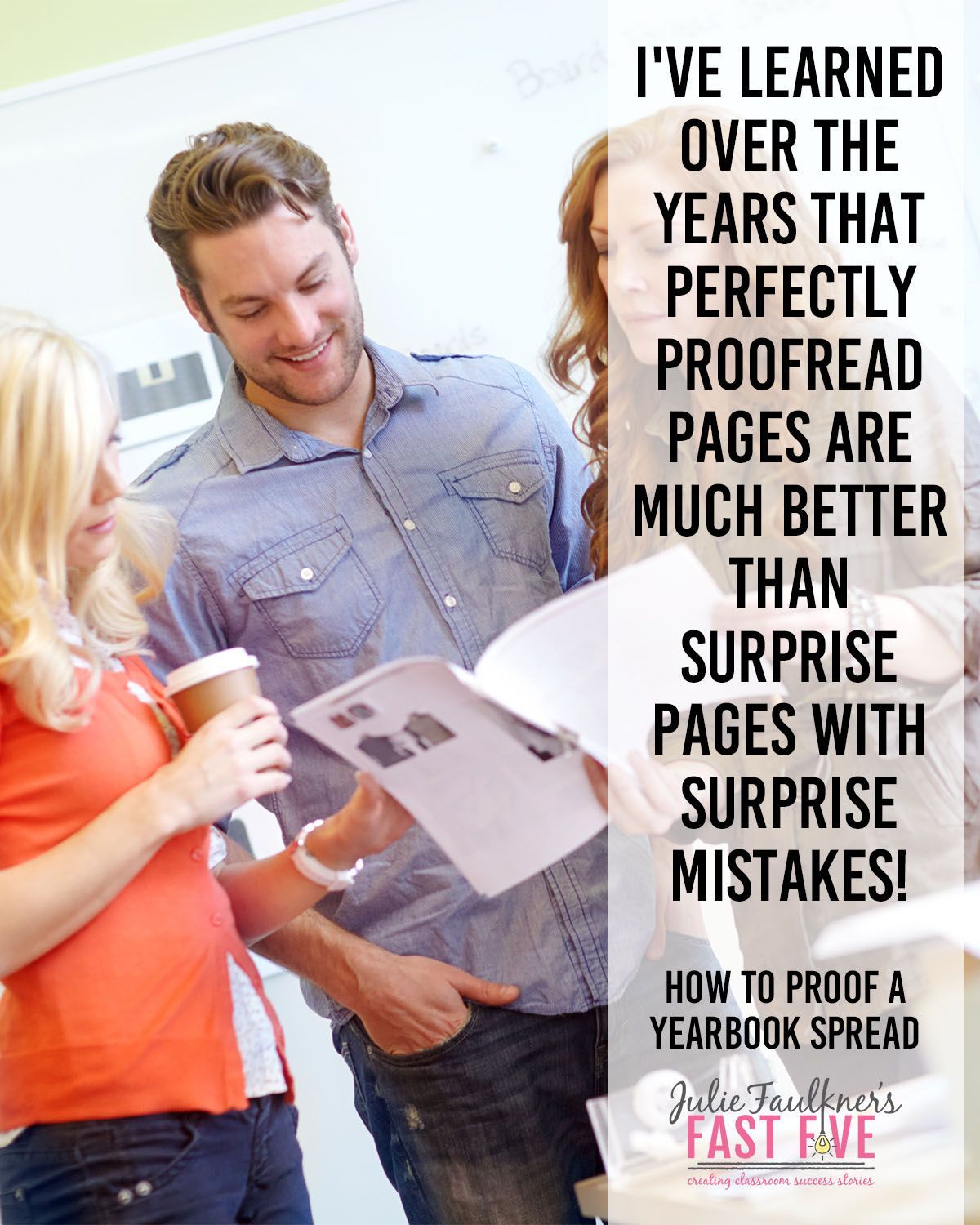
Stakeholders catch factual errors your staff would never know to look for. I know you want to keep the pages a surprise or a secret until distribution day, but I've learned over the years that perfectly proofread pages are much better than surprise pages with surprise mistakes!
Here's a quick video of me explaining my three-times/three-sets-of-eyes proofreading process.
4. Fact‑Check Everything: Dates, Scores, Stats, and Details
This is where credibility lives.
Students should verify:
- game scores
- event dates
- spellings of award names
- titles and positions
- timelines
- quotes (if possible)
This is one of the most‑searched yearbook mistakes to avoid, and it’s the easiest to fix before the book goes to print.
5. Do a Final “Fresh Eyes” Pass — Days Before It’s Due
The biggest mistake advisers make? Proofing the night before the deadline.
Build in time for a fresh‑eyes pass:
- someone who hasn’t seen the spread
- someone from another team
- a teacher down the hall
- an office aide
- even a parent volunteer
Fresh eyes catch what tired eyes miss — especially when you’re deep in deadline season.
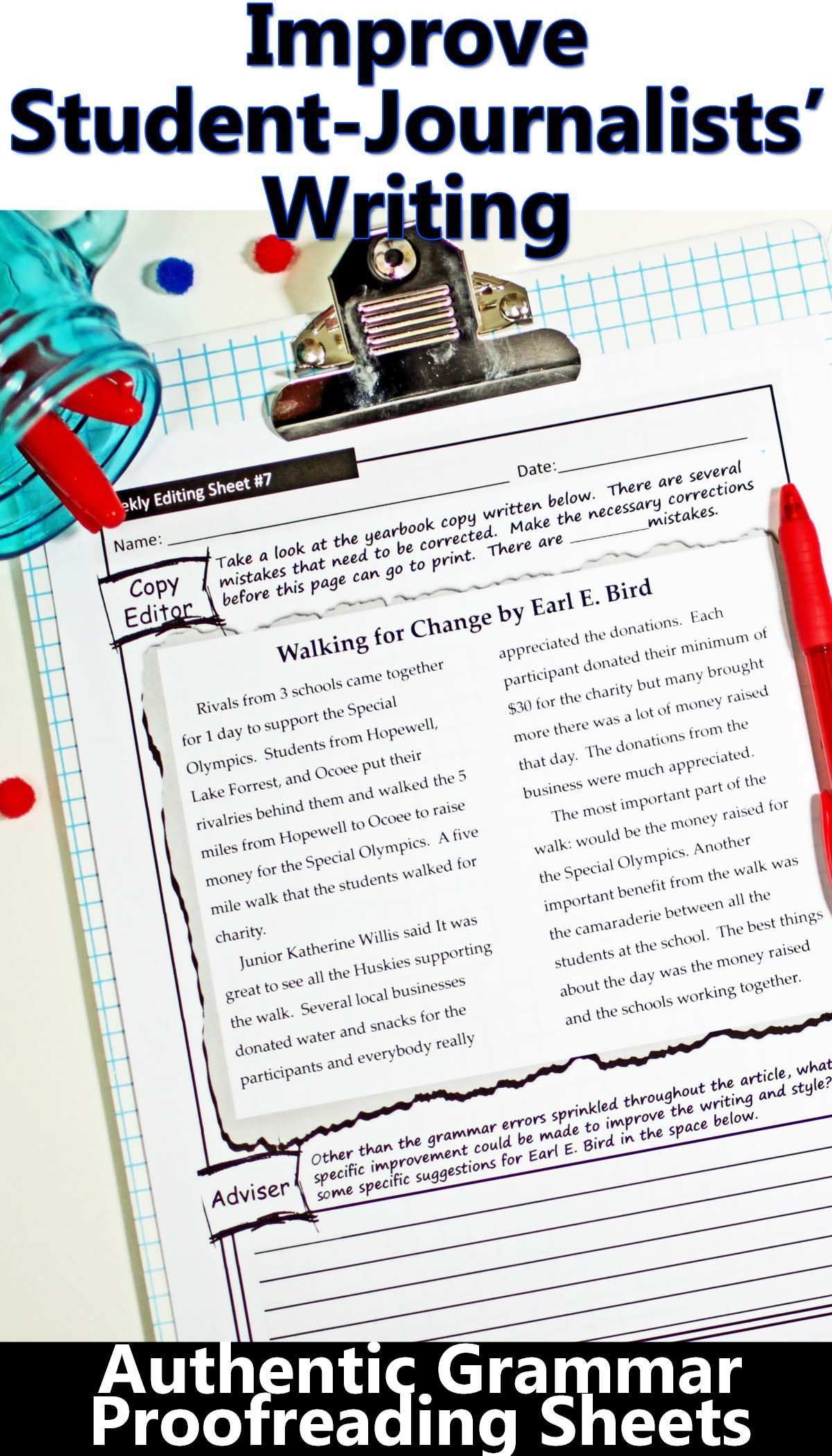
And yes, spelling and grammar matter. They’re part of your book’s professionalism and credibility. A clean, polished spread reflects the quality of your program. Build that skill all year long with my yearbook layouts proofreading worksheets.
Closing: Proofing Is a System, Not a Sprint
Proofing a yearbook spread doesn’t have to be overwhelming. With a clear process — print, check names, use multiple proofers, fact‑check, and build in time for fresh eyes — you can avoid the most common yearbook mistakes, reduce deadline stress, and submit pages you’re proud of.
If you want to make this even easier for your staff, my Editing & Proofing Task Cards walk students through each of these steps with structure and clarity. They’re perfect for March, when everyone is tired and the details matter more than ever.
Love this content?
Sign up for my email newsletter with more tips, ideas, success stories, and freebies!