Engaging ELA Activities: How to Teach Literature Without Another Worksheet
There’s a very specific sound a classroom makes when you hand out a worksheet. It’s not quite a groan… not quite a sigh… more like a collective “here we go again” or from a class with a braver personality: "another packet, yo!"
Students don’t need another worksheet to understand literature. Worksheets (and even packets) have their place, but they shouldn't be the only tool in our toolbox to teach and review literature. Students need more experiences with a text — more ways to talk about it, visualize it, move with it, and play with it. And teachers need activities that help us teach and reinforce skills in ways that feel fresh, low‑prep, and actually effective. Further, in a world where AI can generate answers instantly, our job is to design learning experiences students can’t outsource — experiences that require thinking, talking, moving, and engaging with literature in real, human ways.
These strategies work beautifully whether you’re introducing a new text, teaching a novel, reinforcing skills, or reviewing before an assessment.
Here are five ways to teach literature without relying on another worksheet.
1. Lean Into Retrieval Practice Instead of Repetition
One of the biggest shifts in ELA instruction lately is the move toward retrieval practice — activities that require students to pull information from memory instead of simply recognizing it on a page. With AI becoming more accessible to students, I feel an even greater responsibility to build in authentic accountability for reading, remembering, understanding, discussing, dissecting, and analyzing.
Literary skills stick much better when students use them rather than simply reread them, and they need to know the basics to be successful with the higher-order questions. Retrieval practice forces students to think, recall, and apply — and it’s far more engaging than another fill‑in‑the‑blank sheet.
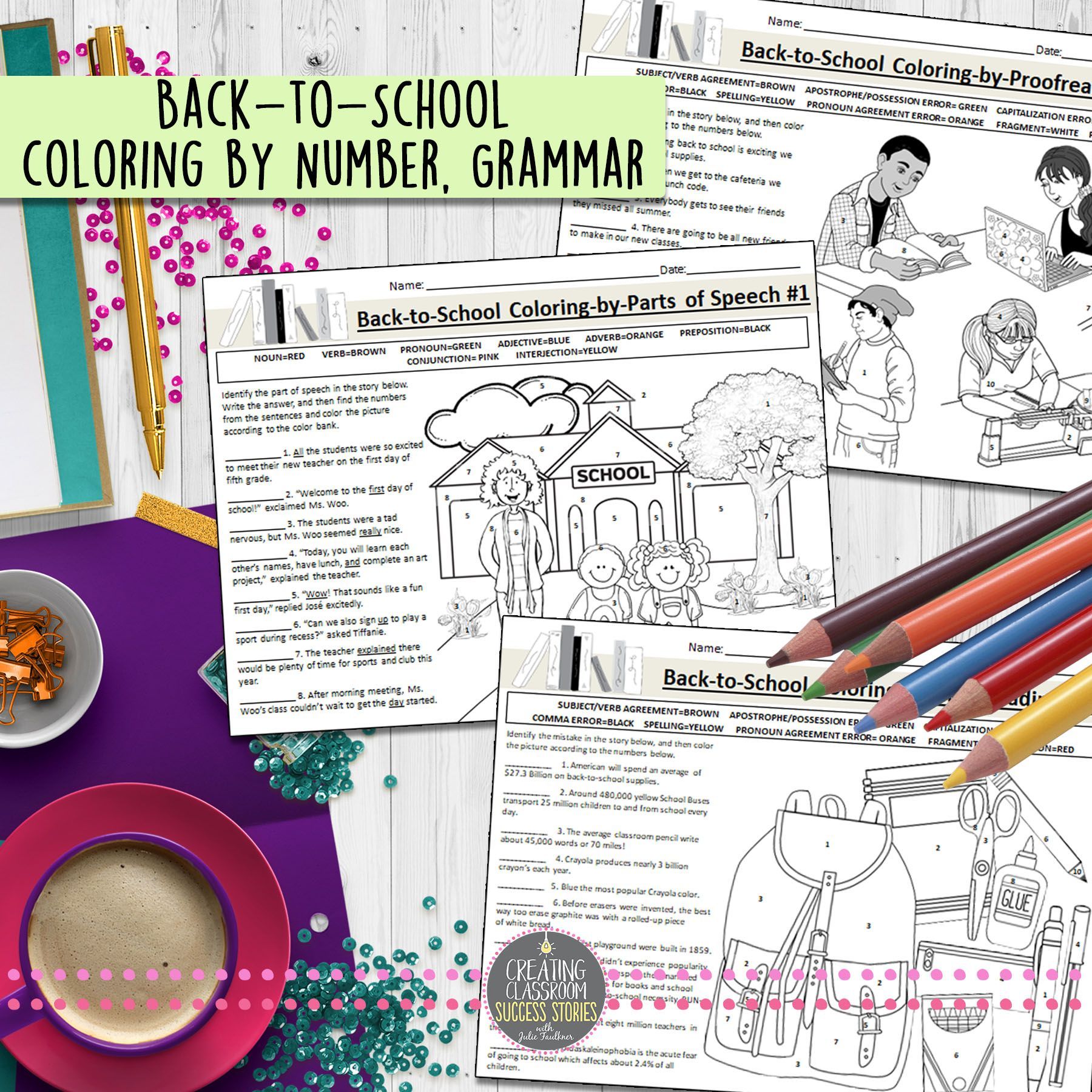
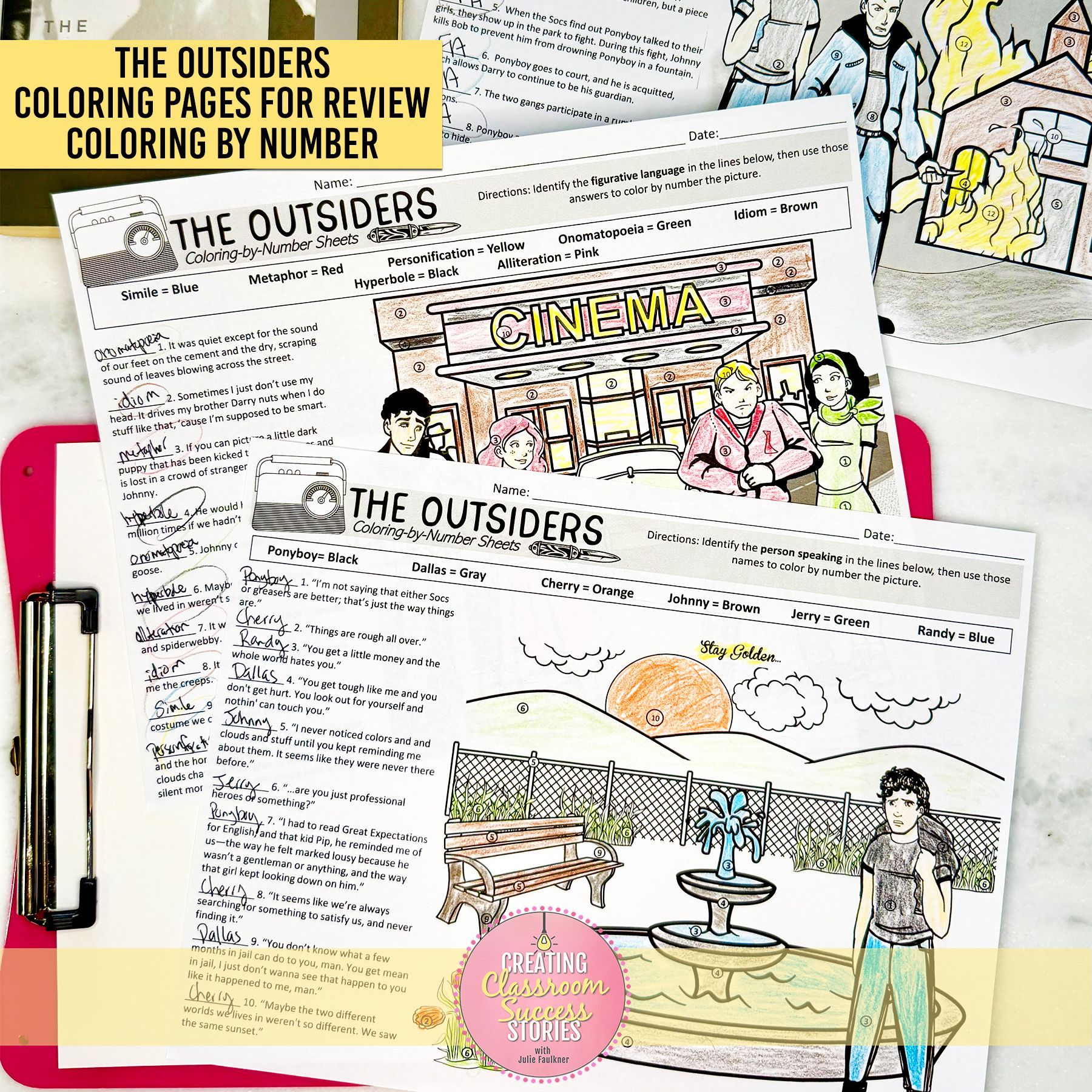
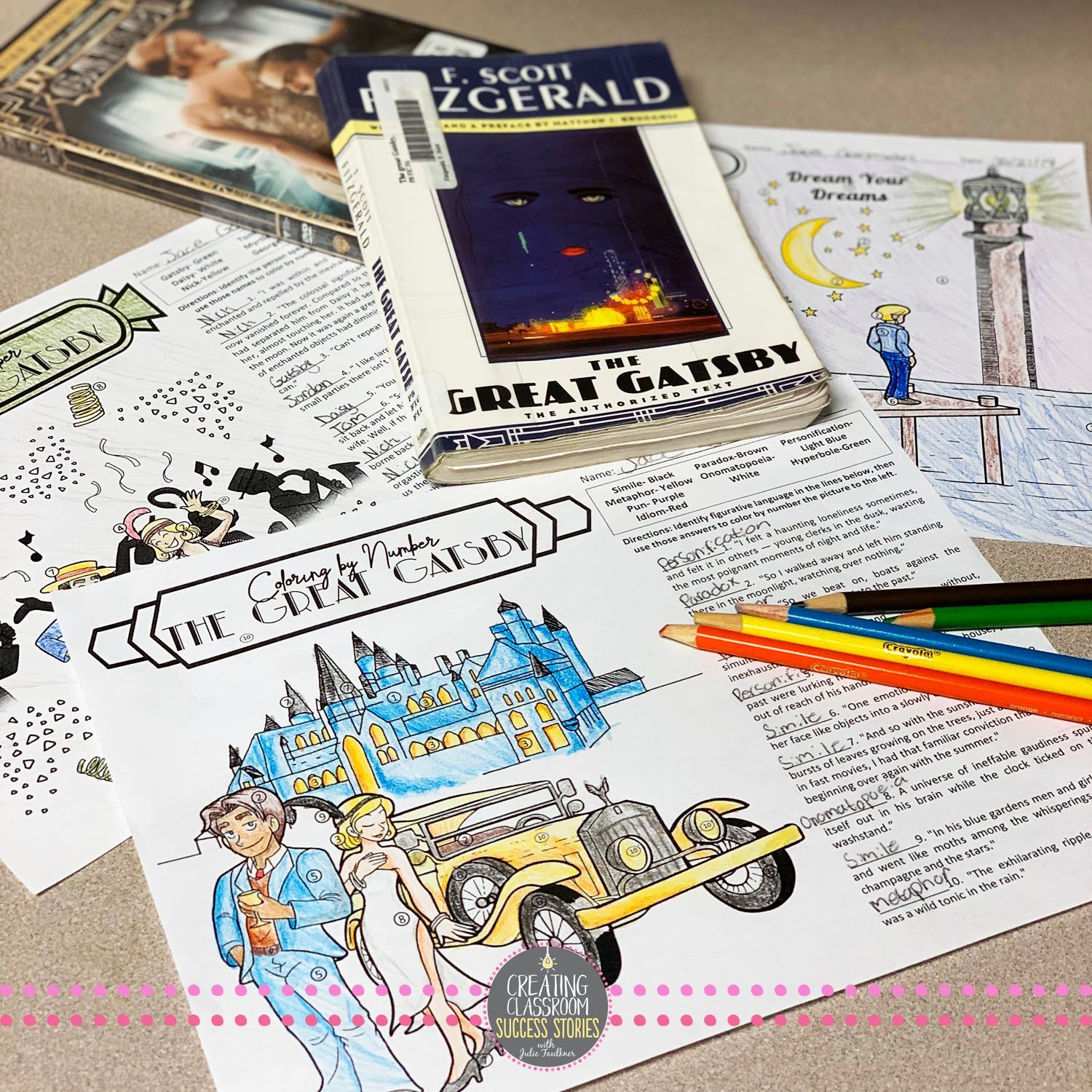
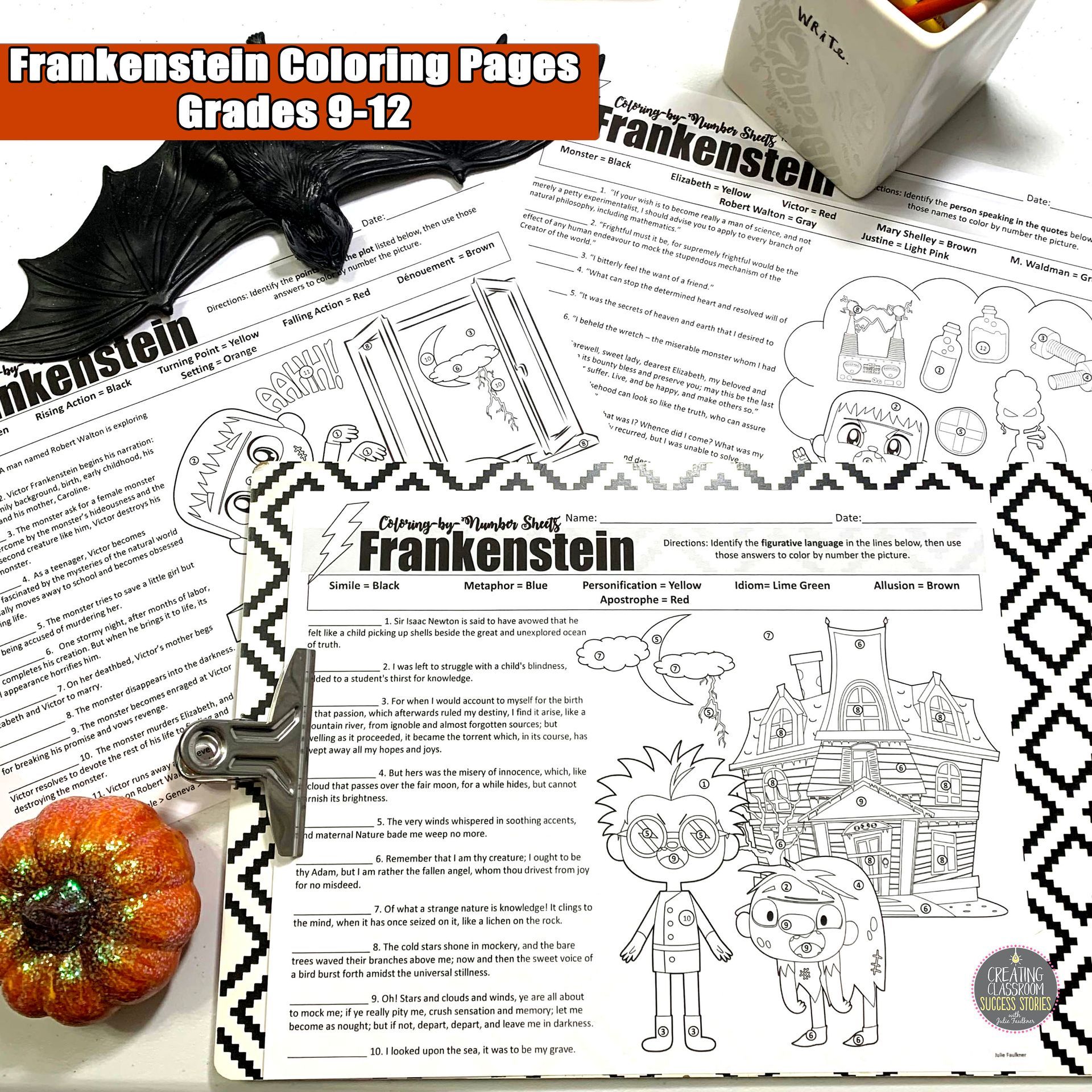
Color‑by‑number (ELA and Grammar) pages are one of my favorite ways to do this. Students must identify the correct skill to unlock the right color, which turns the task into thinking disguised as coloring.
And once students finish a coloring page, you can easily take the learning deeper with a short writing extension.
Writing Extensions to Go Beyond Recall (for any of my literary or grammar coloring pages):
- Explain Your Thinking: Choose three items you colored correctly and explain how you knew.
- Show Me the Text: Pick one answer and support it with evidence from the story.
- One That Tricked Me: Reflect on one item you almost got wrong and what helped you fix it.
- Create Your Own: Write two new questions that could be added to the coloring page (one easy, one challenging).
- Connect It to the Story: Explain how one term or concept shows up in your current text.
- Explain It to a 5th Grader: Rewrite one term or idea in kid‑friendly language.
- What Would the Character Say?: Write a one‑sentence reaction from a character’s point of view.
- Mini‑Comic Strip: Draw a 3‑panel comic showing one of the terms or skills in action.
These quick writes turn a simple recall activity into meaningful analysis — without adding a worksheet.
See my full line of literary coloring pages for specific texts, as well as literary terms and grammar skills in general.
But retrieval practice can take many forms.
Other tools that work beautifully include:
- task cards that require quick identification of terms, devices, or plot elements
- quick‑draw prompts where students sketch a symbol, mood, or character trait
- exit‑ticket style mini‑questions
- bell‑ringer warm‑ups that ask students to recall yesterday’s skill without notes
- spiral exercises help students practice in small bites rather than complete a bunch of worksheets in a packet all in one sitting (See my collaborative grammar spiral review with Kristen from One Stop Teacher Shop)
Try this tomorrow:
Give students a list of literary terms and have them sketch tiny doodles that represent each one. No words allowed. Partners then guess each other’s sketches. It’s quick, creative, and surprisingly effective.
2. Use Movement-Based Learning to Break the “Sit-and-Get” Cycle
A little movement can completely reset the energy in your room. Rotations, stations, and gallery walks work beautifully for teaching and reinforcing literature skills.
A simple station setup might include:
- 4–6 stations around the room
- 5–7 minutes per stop
- One focused task at each station
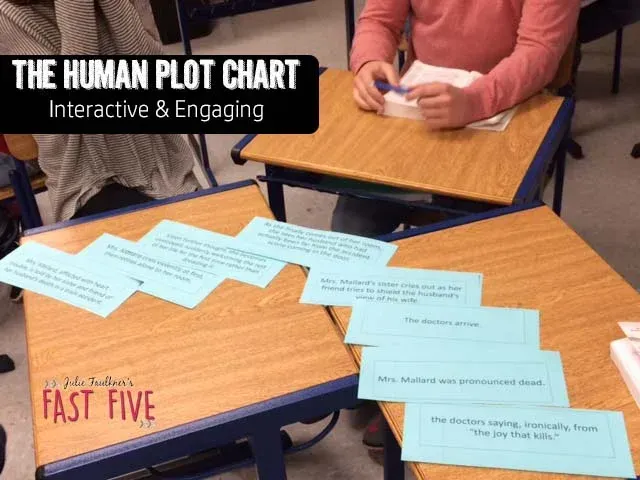
- interactive plot charts
- task cards
- creative reading response projects
- Students rotating with a partner or small group
Hear how I set up stations in less than 10 minutes, or read this blog post about using task cards in stations. And if you have larger classes, don't be deterred from using stations. My classes are usually 25+, so here is my solution.
Visit my Instagram to see lots more examples in the classroom of my students up and moving around in stations.
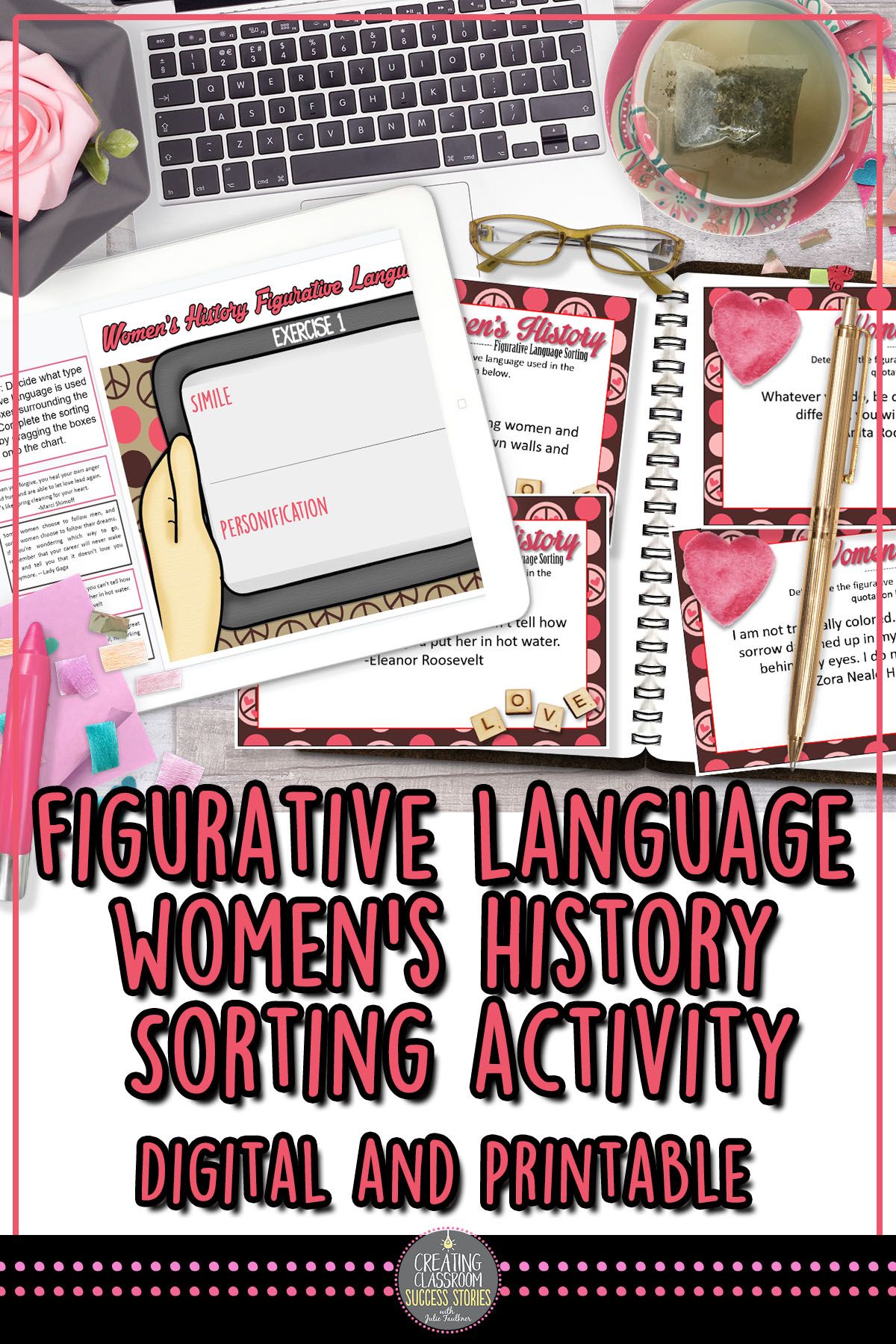
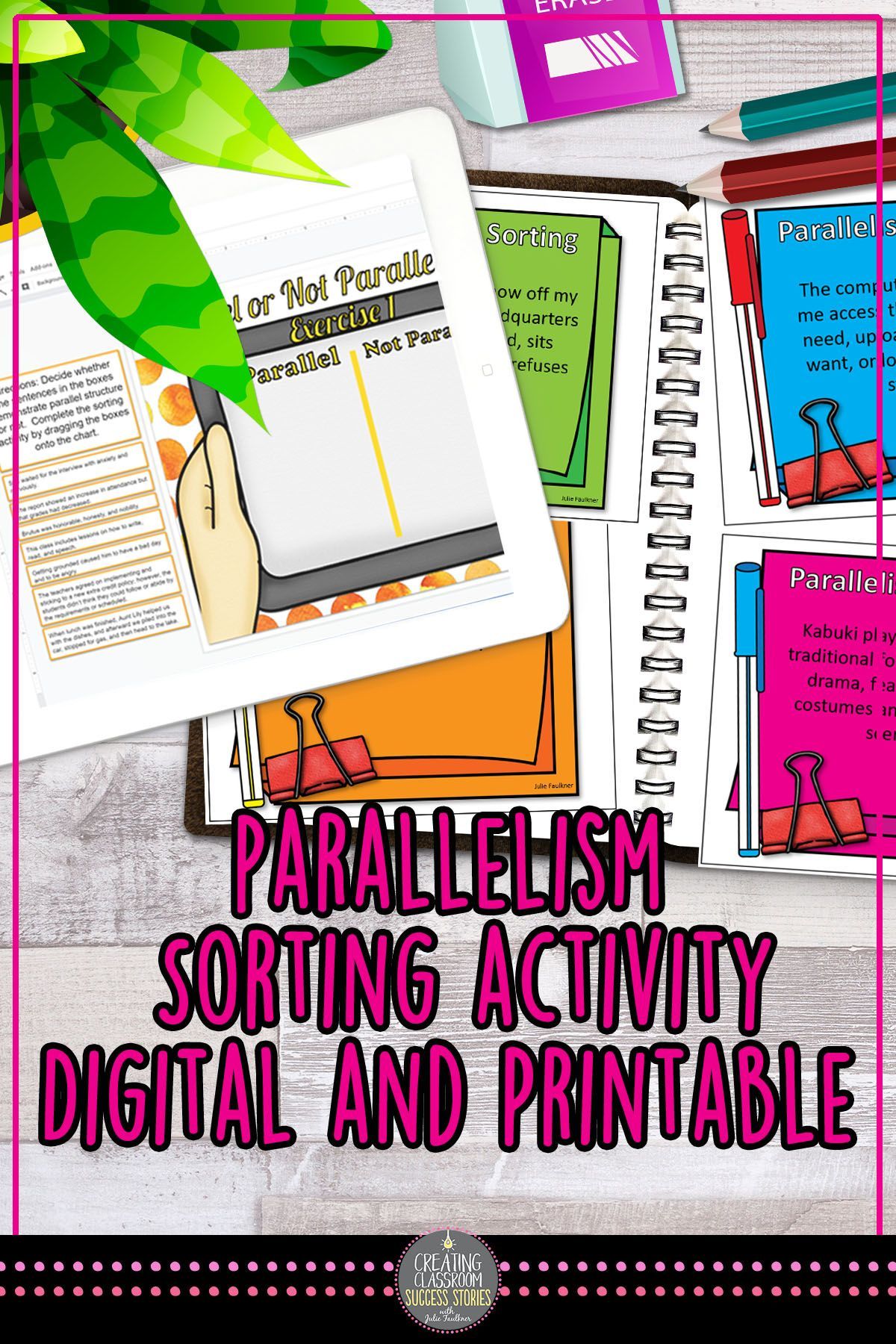
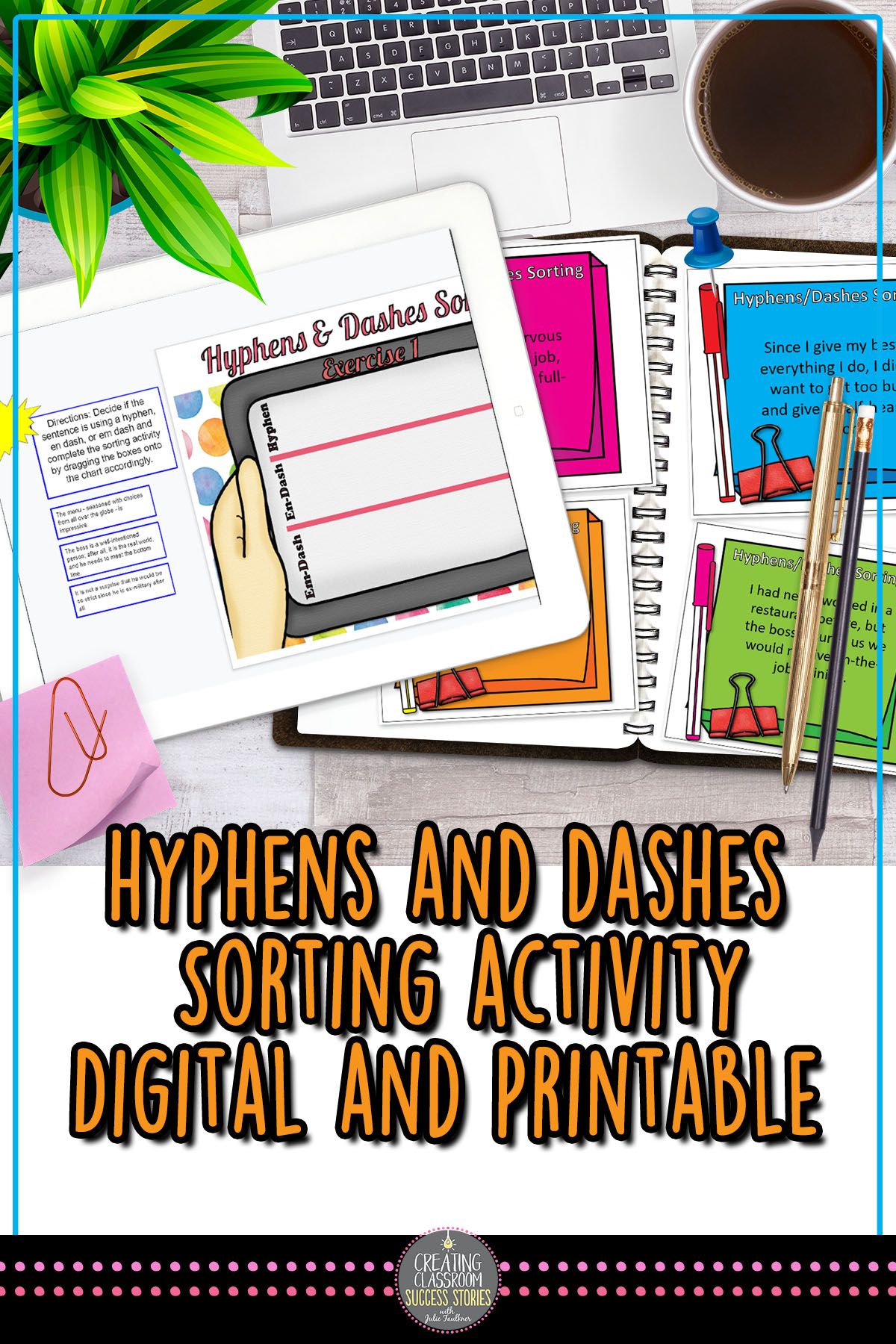
Interactive sorts are another tool in my toolbox to reach all learners, but especially those kinesthetic learners, in a meaningful way. My extensive catalog of interactive sorting activities for print and digital provides students a way to get up and moving while sorting key ELA skills into certain categories:
- Active and Passive Voice
- Figurative Language
- Types of Sentences
- Hyphens and Dashes
- Holiday Song Lyrics Punctuating Titles
- more!
Try this tomorrow:
Post short excerpts around the room and have students move to each one to identify a different skill: tone, conflict, point of view, theme, etc.

3. Offer Creative Response Options That Still Hit Standards
Creative responses are a powerful middle ground between “fun” and “rigorous.” They require students to transform their understanding into a new format, which often leads to deeper thinking.
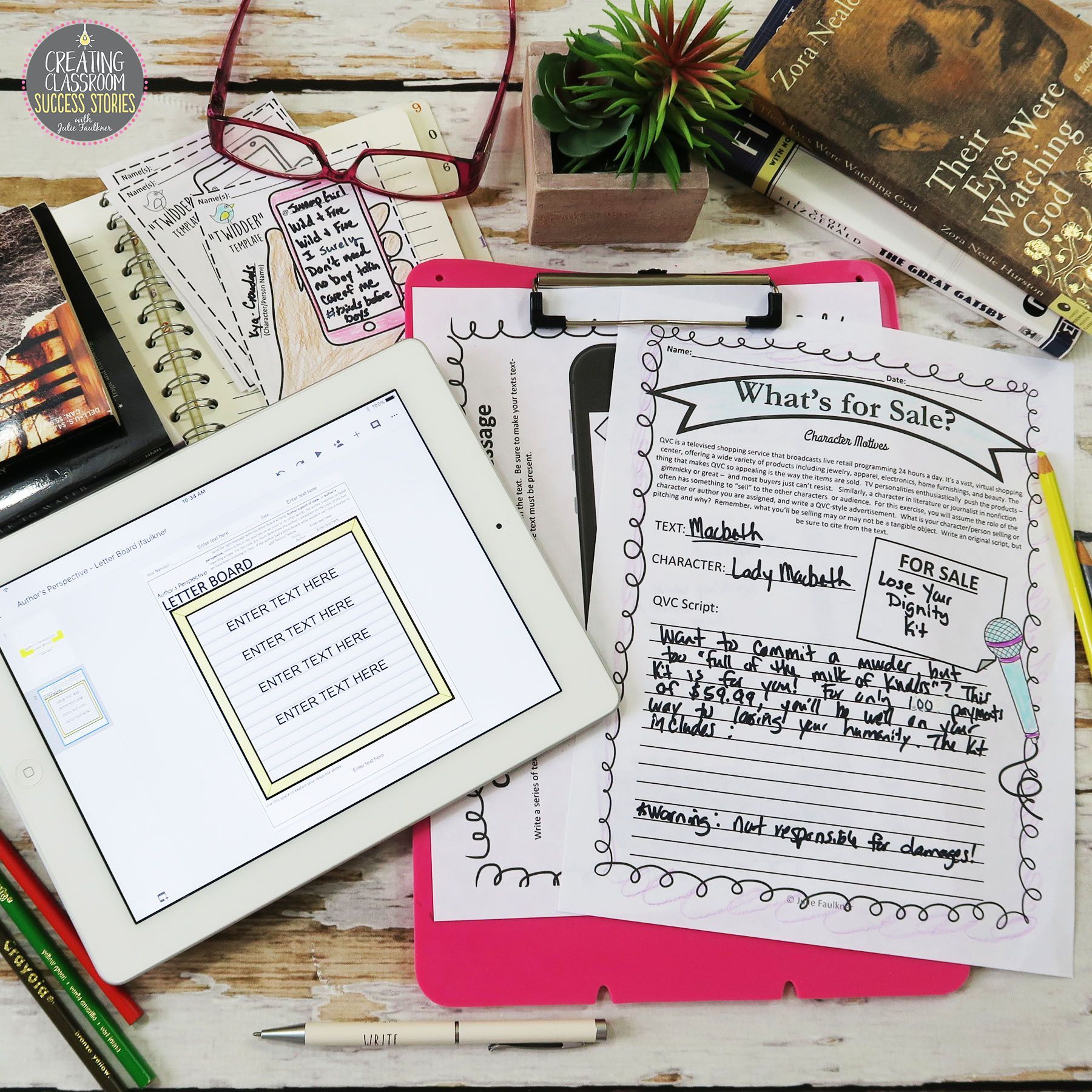
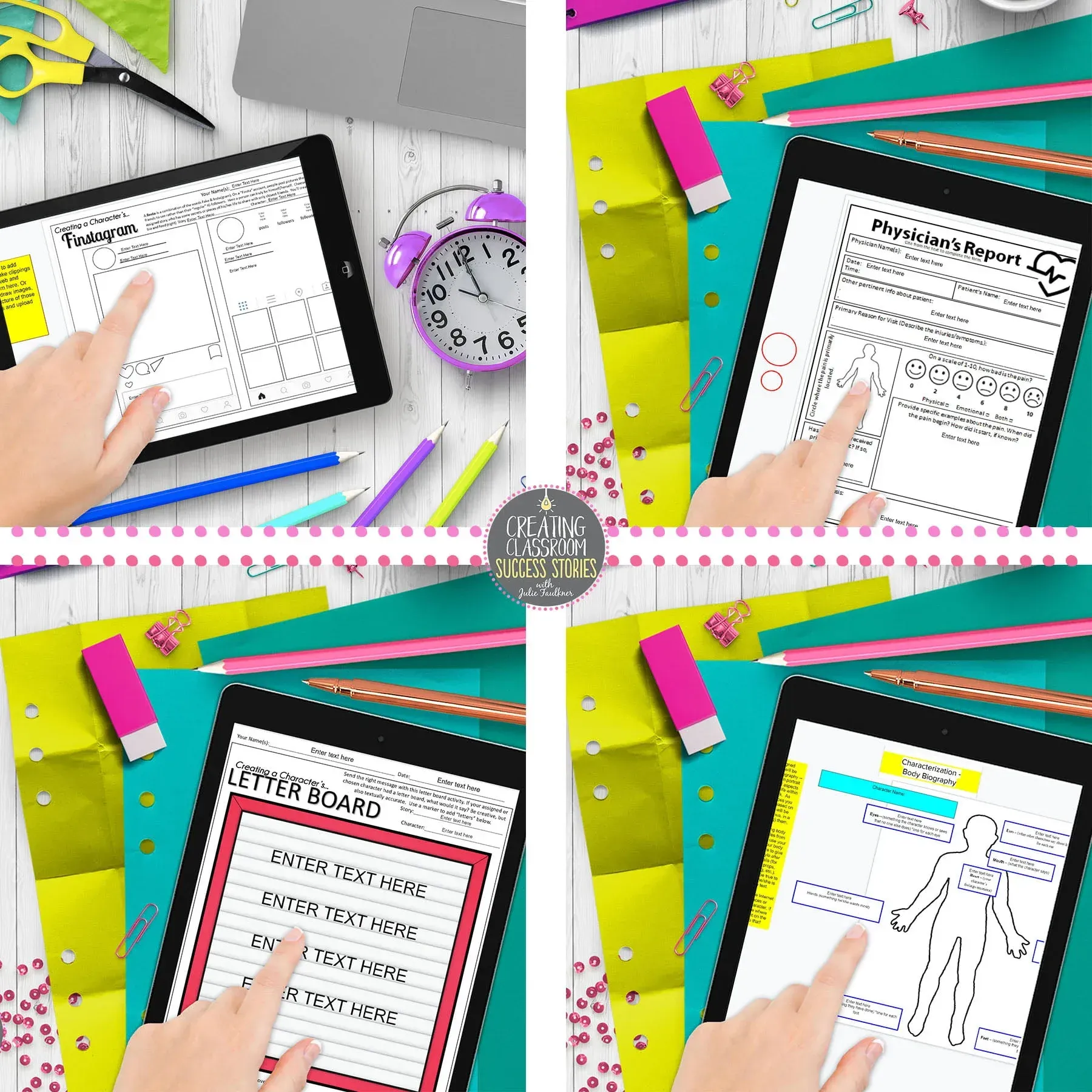
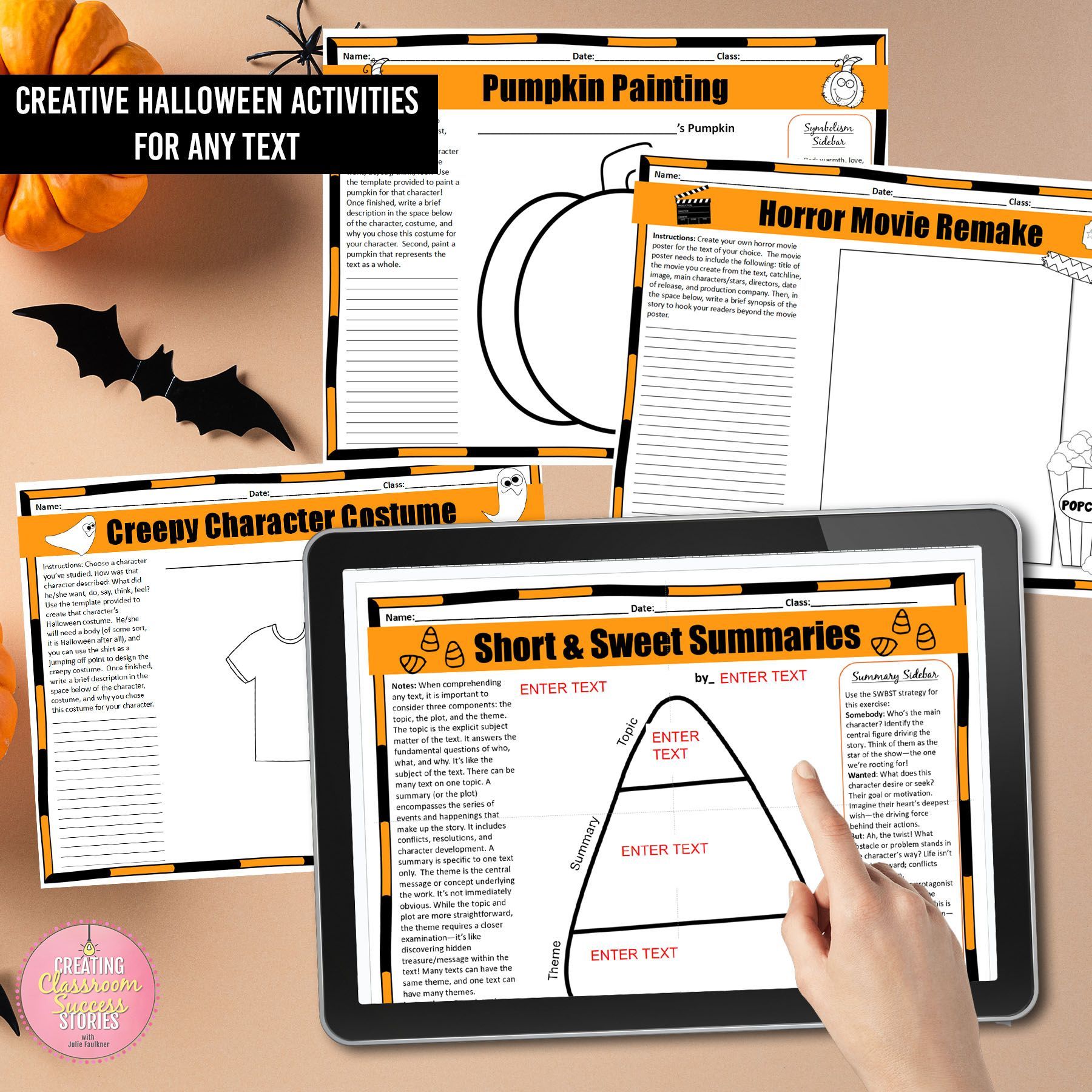
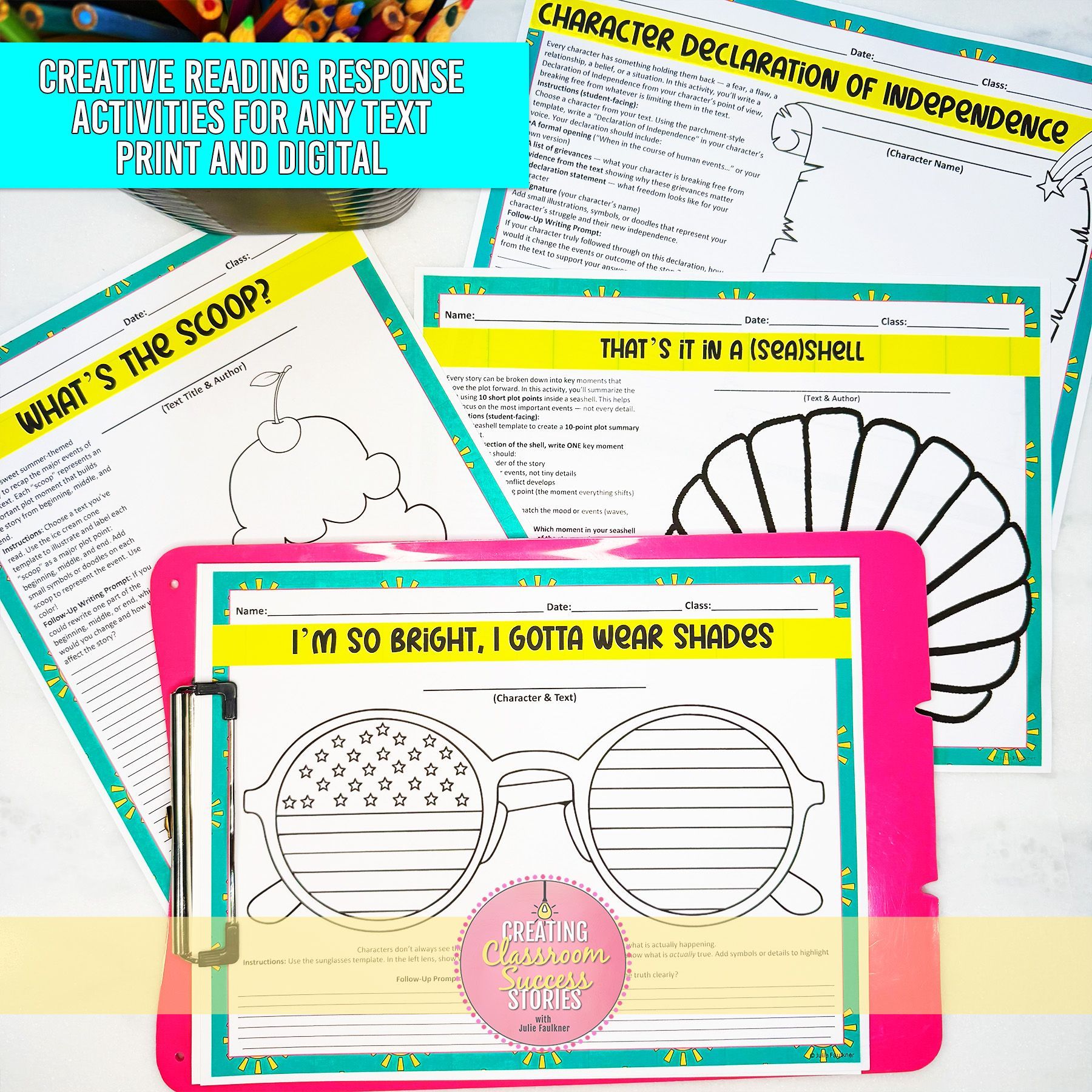
My seasonal and non-seasonal creative responses to literature are designed for exactly this. Students analyze character motivation, theme, symbolism, and the author’s craft while creating something meaningful and memorable. They’re not “cute worksheets.” These activities for ANY TEXT are creative, analytical, standards‑aligned projects with a seasonal hook that feels purposeful, not gimmicky.
See some examples of how I use these creative reading response projects in my classroom.
Try this tomorrow:
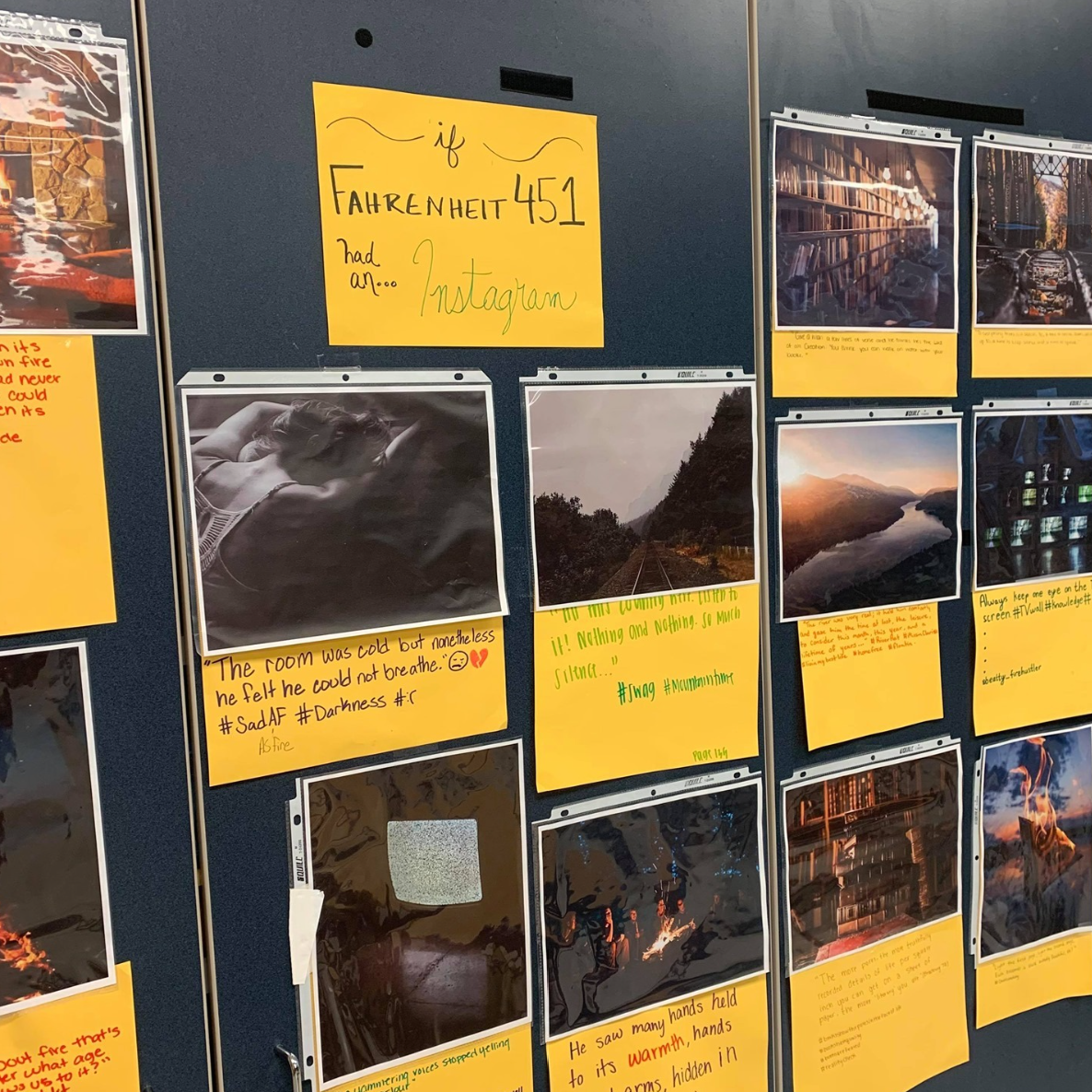
If (insert your book or text) had an Instagram. Instructions here on Instagram.
4. Build Character & Plot Understanding Through Games & Manipulatives
Games are an instant engagement booster, but pairing them with simple manipulatives makes the learning even more hands‑on and memorable. When students can hold, move, sort, or act out elements of a story, abstract skills suddenly feel concrete.
Some of my classroom favorites include:
- Ball Toss Review
- Trashketball
- Bingo
- Human Plot Chart Puzzles (instructions here and see it in action here)
- Fishbowl (instructions here)
- Gamify your text
- East Egg v. West Egg for Gatsby? or Greasers v. Socs for The Outsiders? Yes, please! See how I do it here.
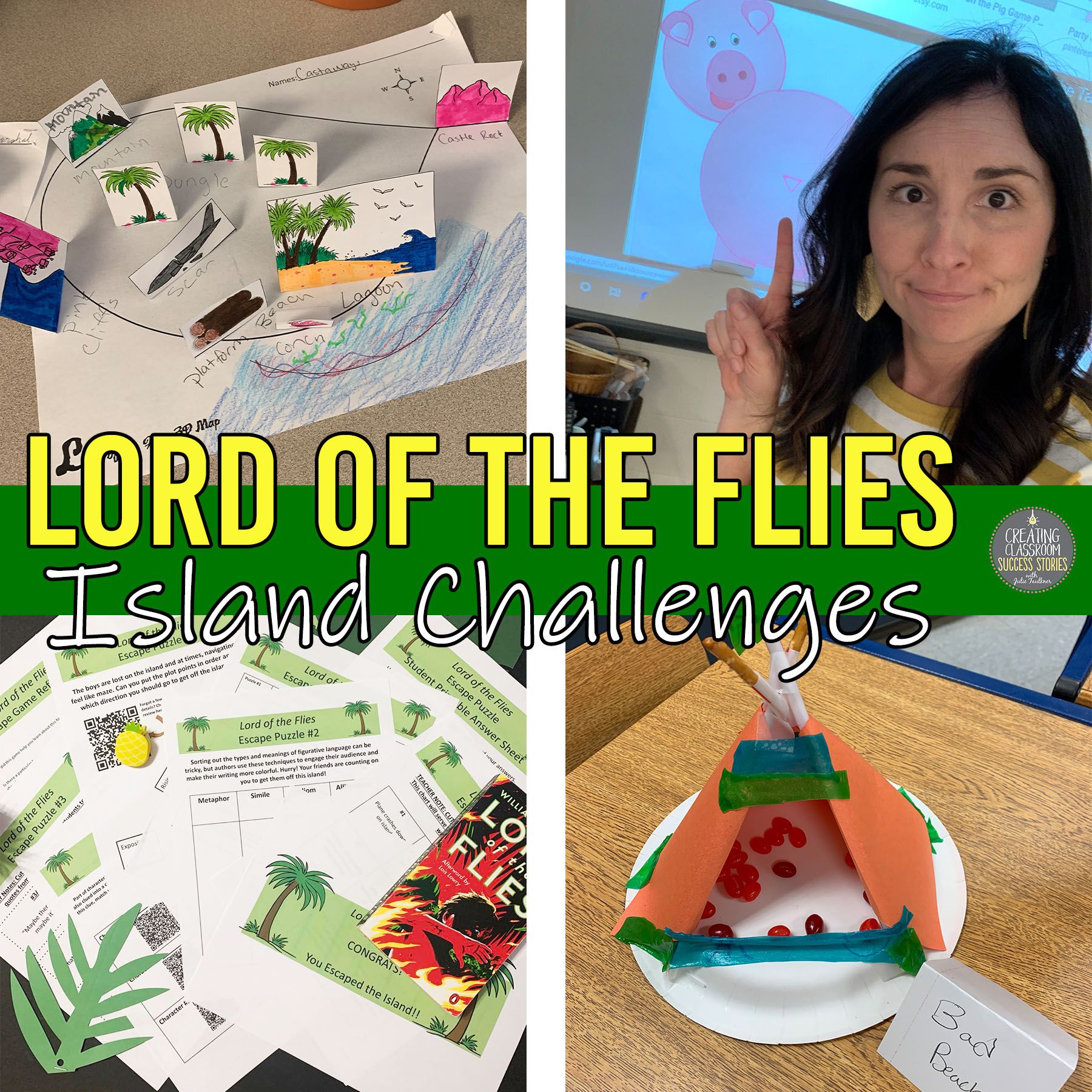
- Island Challenges for The Lord of the Flies?!? You bet we are making that text come alive! Read my Lord of the Flies Island Challenges Post!
- Escape Games (See my full catalog)
- and
more linked at this Instagram post!
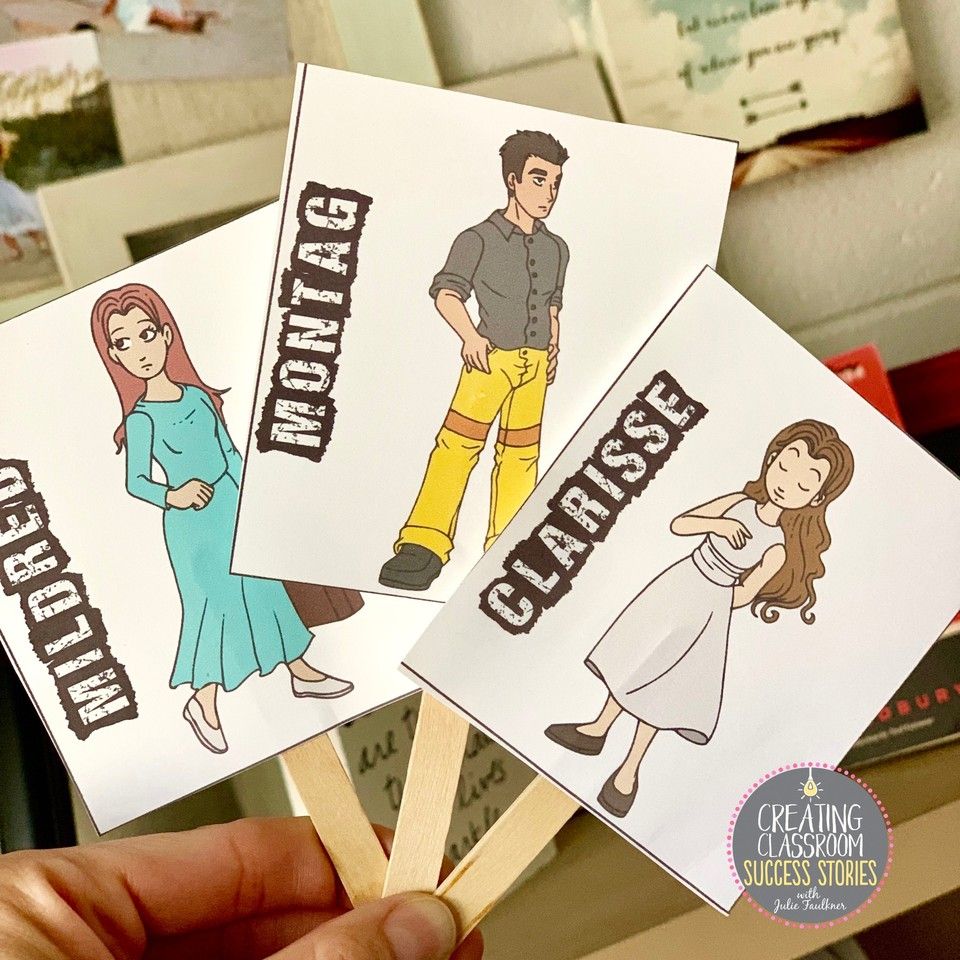
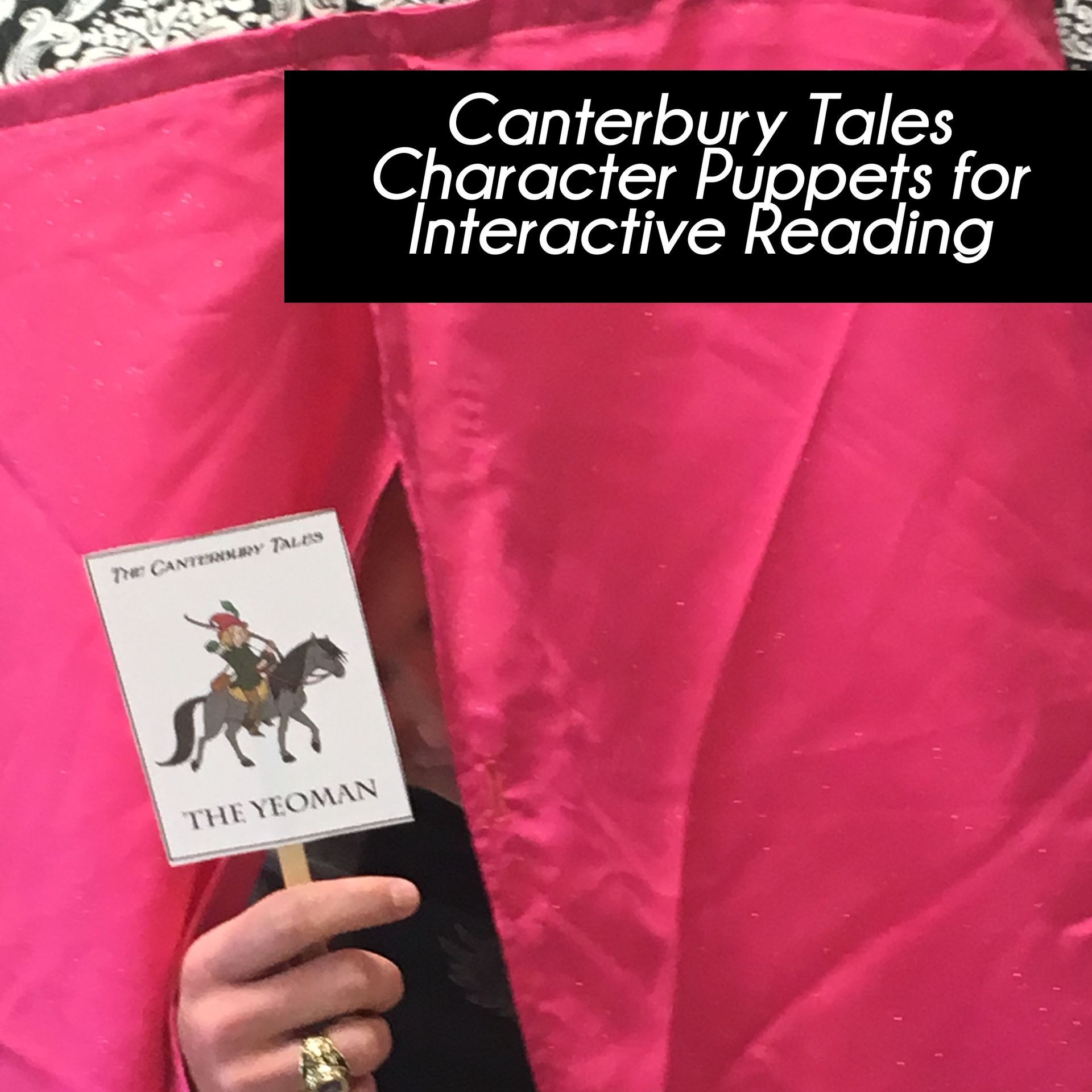
Manipulatives layer beautifully onto these activities. My character puppets are one of my go‑to tools — students use them for discussion stems, quick character interviews, partner retellings, and even mini puppet‑show reenactments of key scenes. The puppets lower the pressure, boost participation, and give even reluctant speakers a way into the conversation (most of my character puppets have discussion stems on the back).
Other manipulatives that work well:
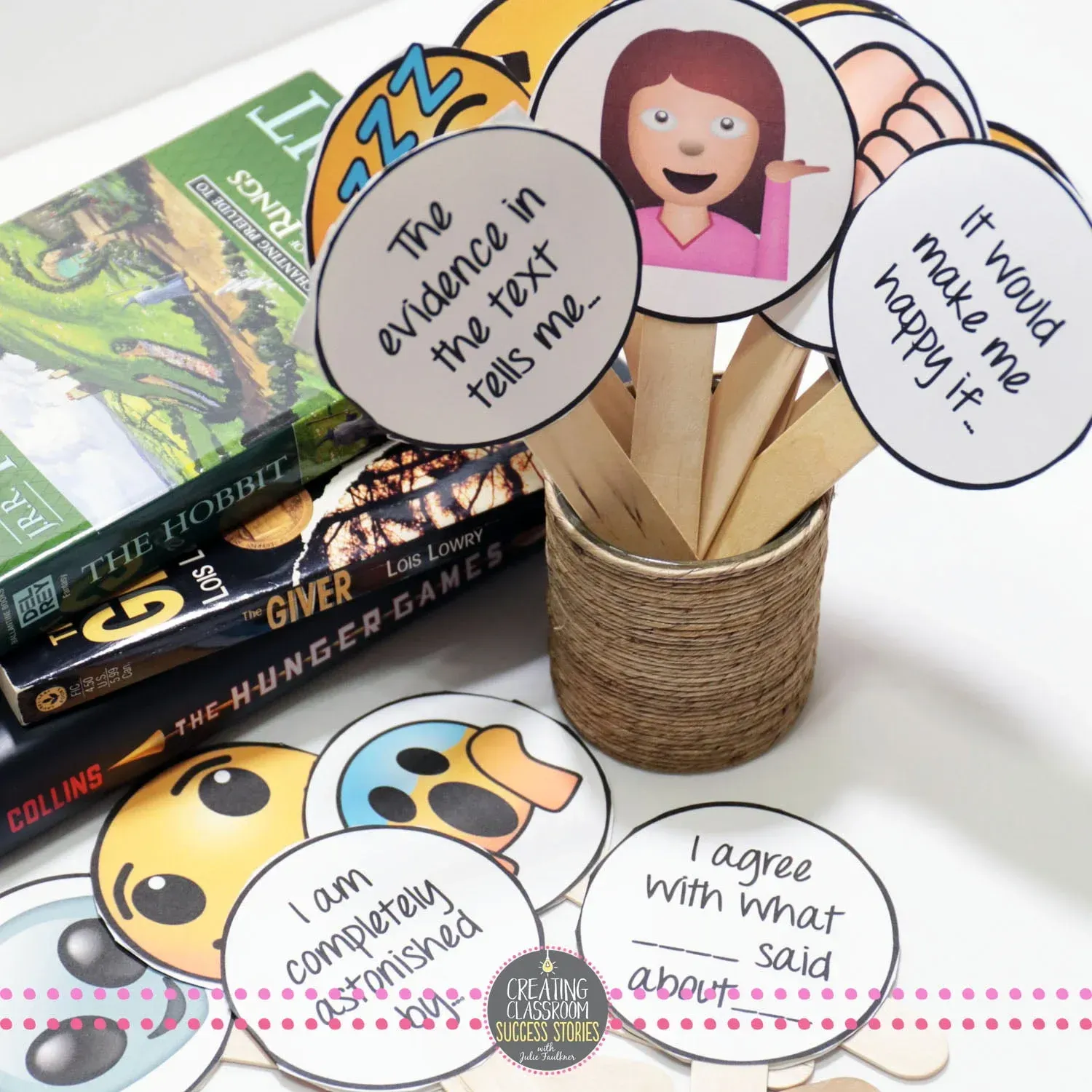
- emoji puppets (You can try them free by signing up for my email list. Get a sample instantly!)
- creating 3-D Maps for texts where setting is key
- Lord of the Flies Example
- Gatsby Example
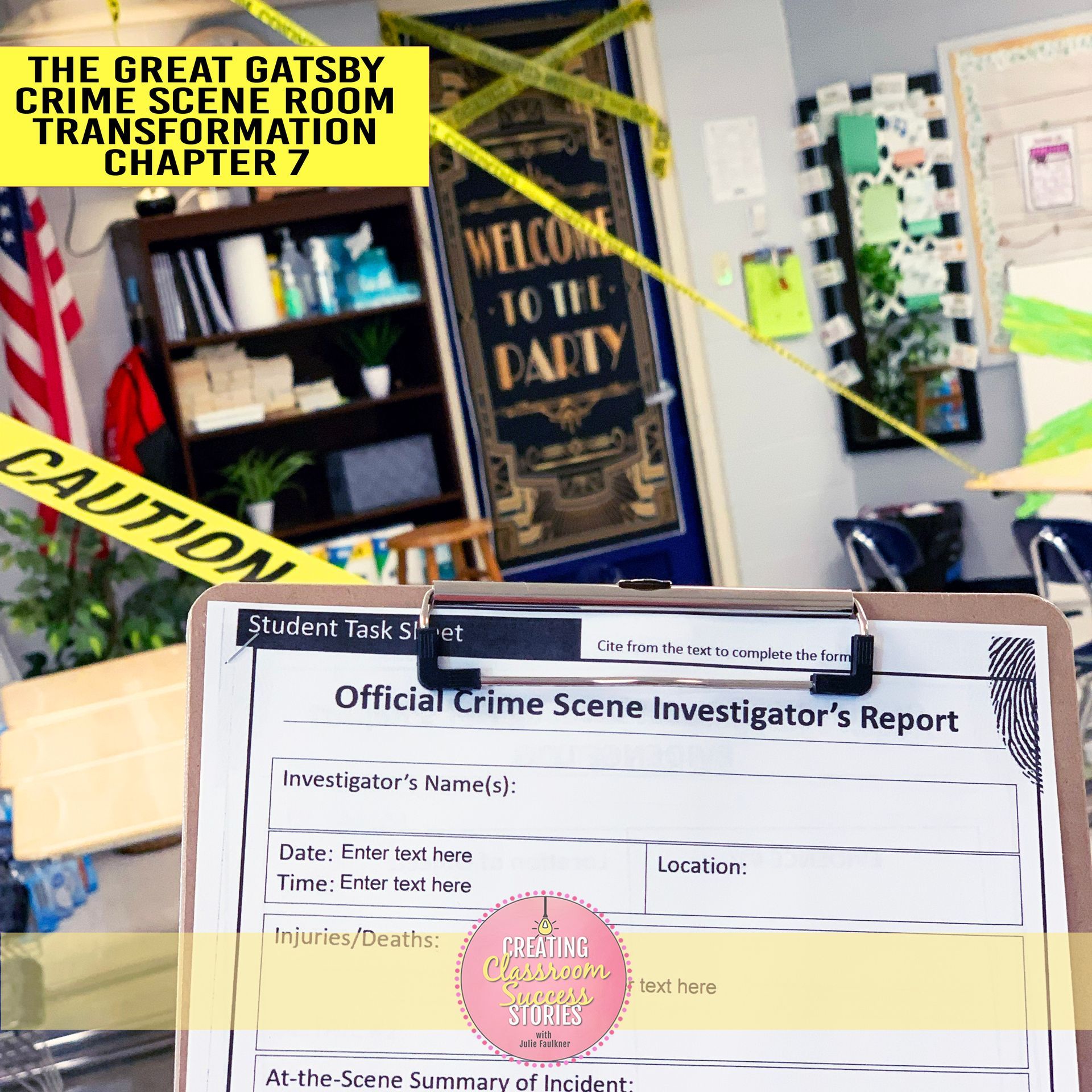
- Even a classroom transformation can feel immersive and level up your engagement
- Gatsby crime scene classroom transformation with CSI creative reading response activity
- Lord of the Flies Island Decor (see my Island-style room transformation here)
These tactile elements help students externalize their thinking and make literary analysis feel more playful and accessible.
Try this tomorrow:
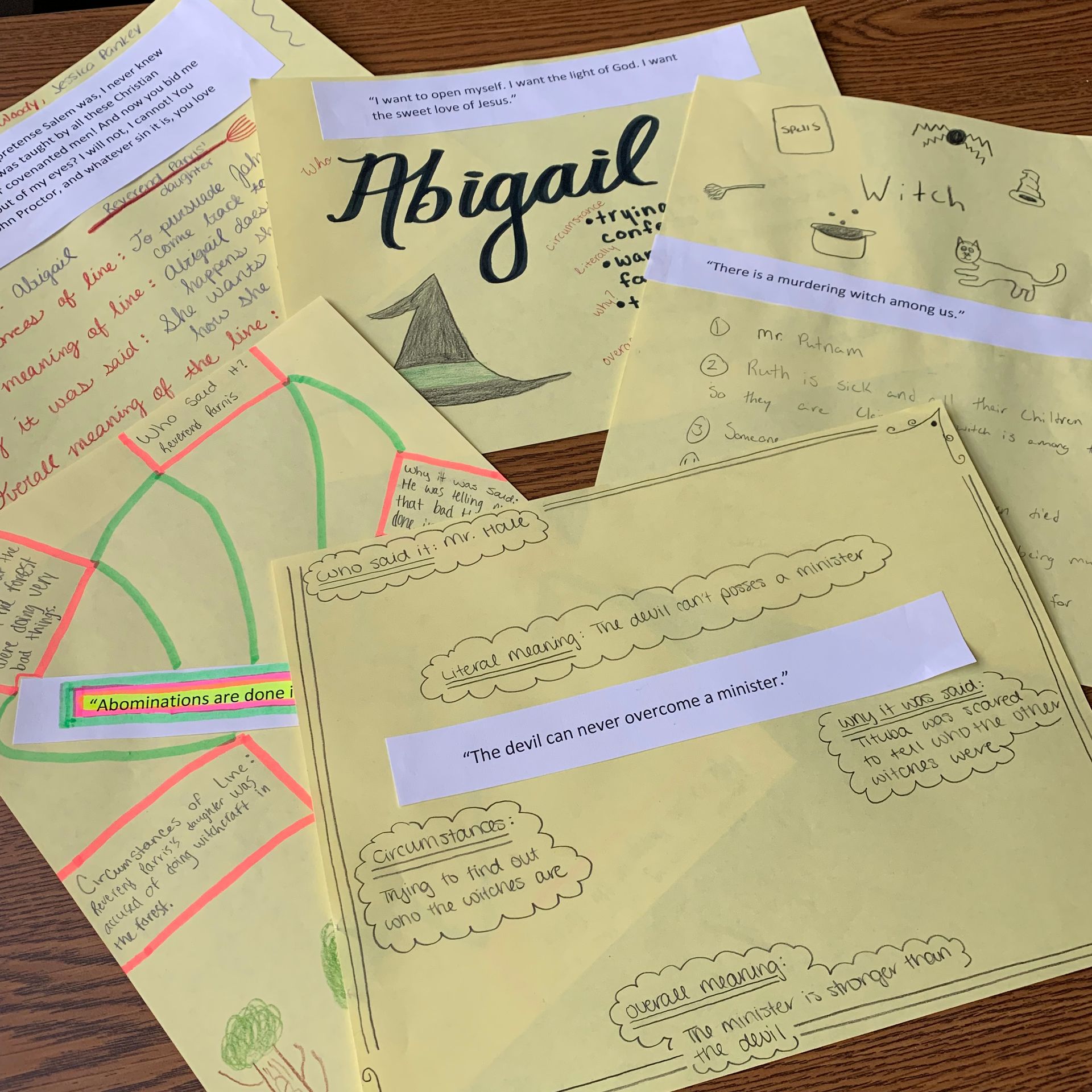
One interactive way I like to get kids digging into a text and analyzing excerpts in a meaningful way is with quote clouds. For this activity, I put students in groups and give each group a different quote from the section of literature we just read (maybe at the end of class or at the start of the next class for a review/activator). Students glue the quote down to colored paper and respond to the following questions about their quote:
1) Who said it?
2) What were the circumstances when it was said?
3) Why was it said?
4) What does it literally mean?
5) What is its role in the text as a whole/overall meaning/connection to the theme/purpose in the plot?
They design "quote clouds" with the information and then share. Works with any text, and it's super fast to prep with a high-impact and purposeful return!
5. Host Structured Discussions & Presentations for Real Accountability
Worksheets often exist because we need proof that students understood something. But discussion — when structured well — gives you that same accountability in a far more authentic way. When students have to talk about a text, defend an idea, or respond to a peer, they reveal their understanding instantly.
Discussion can take many forms:
- partner or triad conversations
- small‑group rotations
- whole‑class fishbowls
- “inner circle / outer circle”
- quick‑round table talks
- quote‑based discussions
- character hot seats
- theme debates
Each one forces students to articulate their thinking out loud, which is one of the most powerful ways to reinforce comprehension and analysis. Read more about how to host a successful classroom discussion in this post.
Video tutorial on hosting a classroom discussion.
Research projects that require a personal touch, personal interview, or authentic object beat AI or a worksheet any day. Adding an oral presentation with strict guidelines about not reading from the screen and being able to answer questions and elaborate on the fly really decreases reliance on AI.
This is the same philosophy behind my approach to book clubs — students learn more when they’re talking, questioning, and responding to one another instead of quietly filling in boxes. Discussion builds confidence, deepens understanding, and gives you a clear window into what students truly know. Read more about how I approach book clubs here (first post) and here (second post).
Try this tomorrow:
Give students three prompts tied to your current text — one about character, one about conflict, and one about theme. Have them rotate partners every two minutes, discussing one prompt at each stop. Fast, structured, and incredibly revealing.
Example talking tasks:
- Instead of writing a theme statement → students explain it to a partner.
- Instead of analyzing a character’s motivation on paper → students defend it in a small group.
- Instead of annotating a symbol → students discuss how it evolves.
- Instead of rewriting a scene → students pitch how they’d change it and why.
This keeps the rigor but shifts the mode.
Final Thoughts: Teaching Literature Doesn’t Have to Be Repetitive
Students crave variety. They want to move, create, discuss, and explore — and they learn more when we give them those opportunities.
If you’re looking for even more ways to make literature meaningful, you might also enjoy my posts on running successful book clubs and teaching a novel effectively. Together, they form a complete approach to helping students fall in love with reading — without drowning in worksheets.
What's better? These strategies are intentionally AI‑proof — they rely on student thinking, collaboration, creativity, and discussion, not on typed answers that a chatbot could produce for them. Whether you use color-by-number games, interactive plot charts, task cards in stations, creative responses, or your own mini‑tasks, the goal is the same: help students think deeply about texts in ways that feel fresh, fun, and memorable.

Love this content?
Sign up for my email newsletter with more tips, ideas, success stories, and freebies!