What Student Teachers Really Need (and What Mentor Teachers Should Actually Do)
This semester, I had the privilege of mentoring a student teacher, and after talking with several others about their wildly different placements, I realized how inconsistent the student‑teaching experience can be. Some student teachers feel welcomed and supported. Others feel isolated, underprepared, or shut out of the very systems they’re supposed to learn. So here are five things student teachers truly need — and five things mentor teachers can do to make the experience meaningful, manageable, and actually reflective of the job. These aren’t theoretical. These are the things I did with my student teacher this semester, and they made all the difference.
1. Student Teachers Deserve Support — Not Survival Mode
Student teaching shouldn’t feel like a test of endurance.
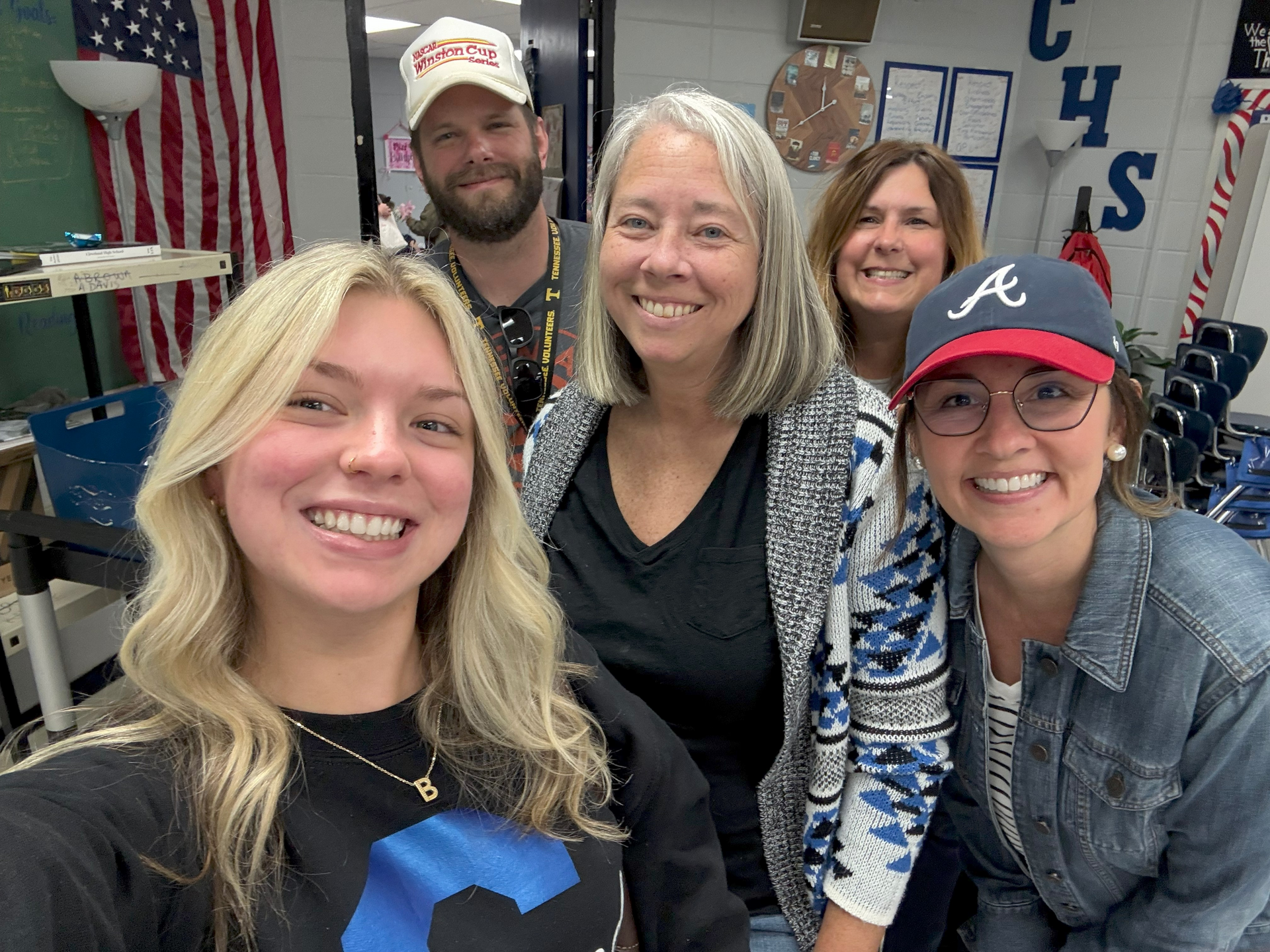
From day one, I made sure my student teacher felt like part of the school community — not a guest. I introduced her to other teachers, administrators, office staff, and support personnel. Our admin even greeted her at the door on her first day. But that's not what I heard from everyone; some were ignored, ghosted, and felt left out when the teacher ate lunch with her clique. When student teachers know the people in the building, they feel safer asking questions, seeking help, and understanding how the school actually works.
Support also means:
- Co‑planning early on
- Modeling your thinking
- Stepping in when needed, but not hovering
- Practicing lessons before we put them in front of students
- Debriefing lessons honestly and kindly
- Inviting him/her to events
- Incluing him/her in those small in-between-classes hallway conversations, and the big conversations, too
- Helping him/her prepare for interviews and look for jobs
- Directing him/her on where to find and how to assess good materials (yes, TPT)
When student teachers feel safe asking for help, they grow faster and with more confidence.
2. Access to Curriculum Isn’t Optional
You cannot learn how to teach if you’re teaching in the dark.
I gave my student teacher full access to:
- Pacing guides
- Curriculum materials
- Digital platforms
- My own lesson plans and resources
- Standards
- Copies of benchmark tests with answers and notes
But here’s the key: I also gave her autonomy. I provided materials, but I let her decide what to use, what to adapt, and what to create — with guidance. She needed to experience the decision‑making process, not just to follow a script.
Student teachers need to see the full planning cycle:
- Reviewing standards
- Choosing materials
- Designing lessons
- Adjusting based on student needs
That only happens when they’re trusted with real access.
3. Focus on Students, Not Just Content
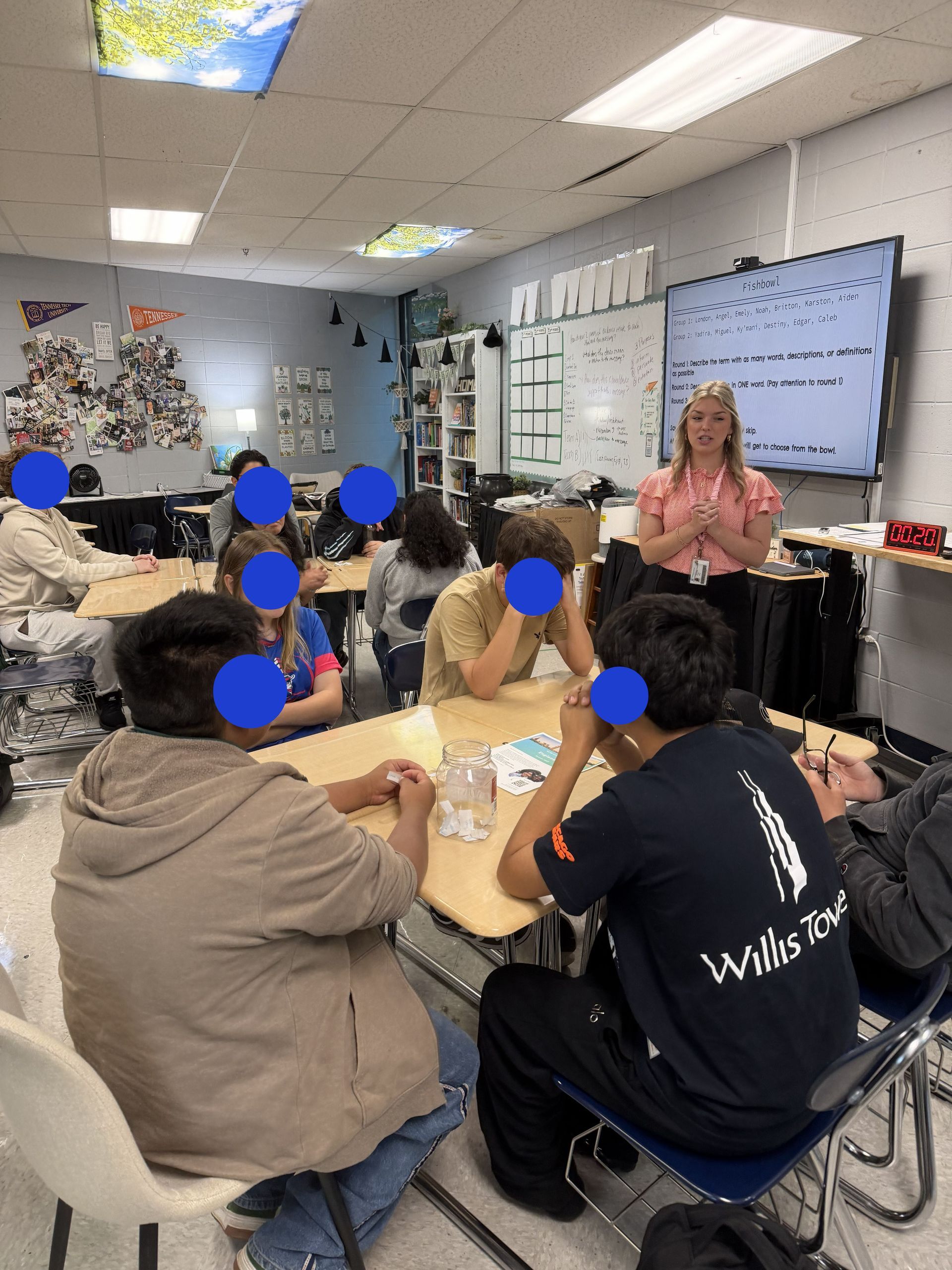
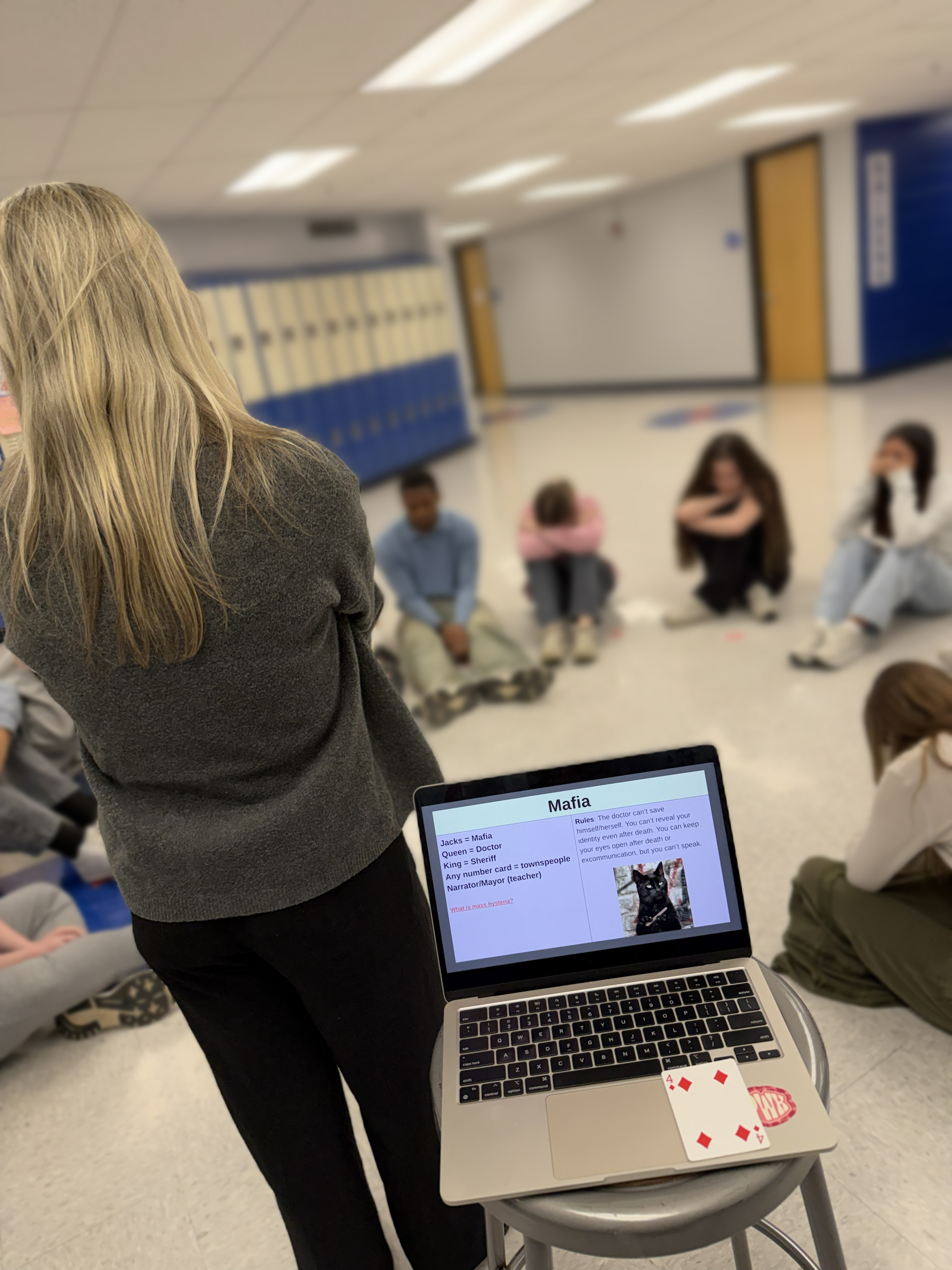
Before her solo week, I built in opportunities for my student teacher to get to know the kids, not just the curriculum.
We played name‑learning games.
She visited small groups.
She observed personalities, dynamics, and routines.
By the time she took over, she wasn’t teaching strangers. She was teaching her students.
This matters more than perfect slides or flawless lessons. Student teaching is where you learn how your personality, expectations, and teaching style mesh with real kids — not hypothetical ones.
Connection doesn’t mean friendship. It means awareness, consistency, and presence. This is a key lesson young teachers need to learn.
4. Boundaries Build Respect — And Experience Builds Confidence
Student teachers are not there to be liked. They’re there to learn how to lead. And leadership requires boundaries.
I didn’t bail my student teacher out of tough situations — not because I didn’t care, but because she needed to experience them with support, not avoidance.
So when cheating happened?
She handled it — we brainstormed options together, but she delivered the conversation.
When grading piled up?
She entered the scores herself — because that’s part of the job.
When students acted up in class?
She responded, and I backed her up. Sometimes I handled it to model, especially if it was a tough situation.
These moments matter. They build confidence, professionalism, and resilience.
5. Remember: Test Scores Still Fall on the Mentor Teacher
This is the part no one talks about — but it shapes everything.
Even when a student teacher is leading instruction, the mentor teacher is still held responsible for student learning and test scores. The student teacher will be evaluated, yes, but the mentor teacher is ultimately accountable for outcomes.
This pressure can make it hard for mentors to fully release control. It's important to choose a unit or material that the student teacher can be comfortable with and even push the student teacher, but also the mentor teacher needs to feel comfortable with turning over for this reason.
Naming this reality helps both sides:
- Student teachers understand why mentors may hesitate
- Mentor teachers feel seen in the responsibility they carry
- Both can communicate openly about when to step in and when to step back
Support doesn’t mean disappearing. It means guiding, modeling, and gradually releasing responsibility in a way that protects students and supports the student teacher’s growth.
Closing
Student teaching should be about learning, not surviving.
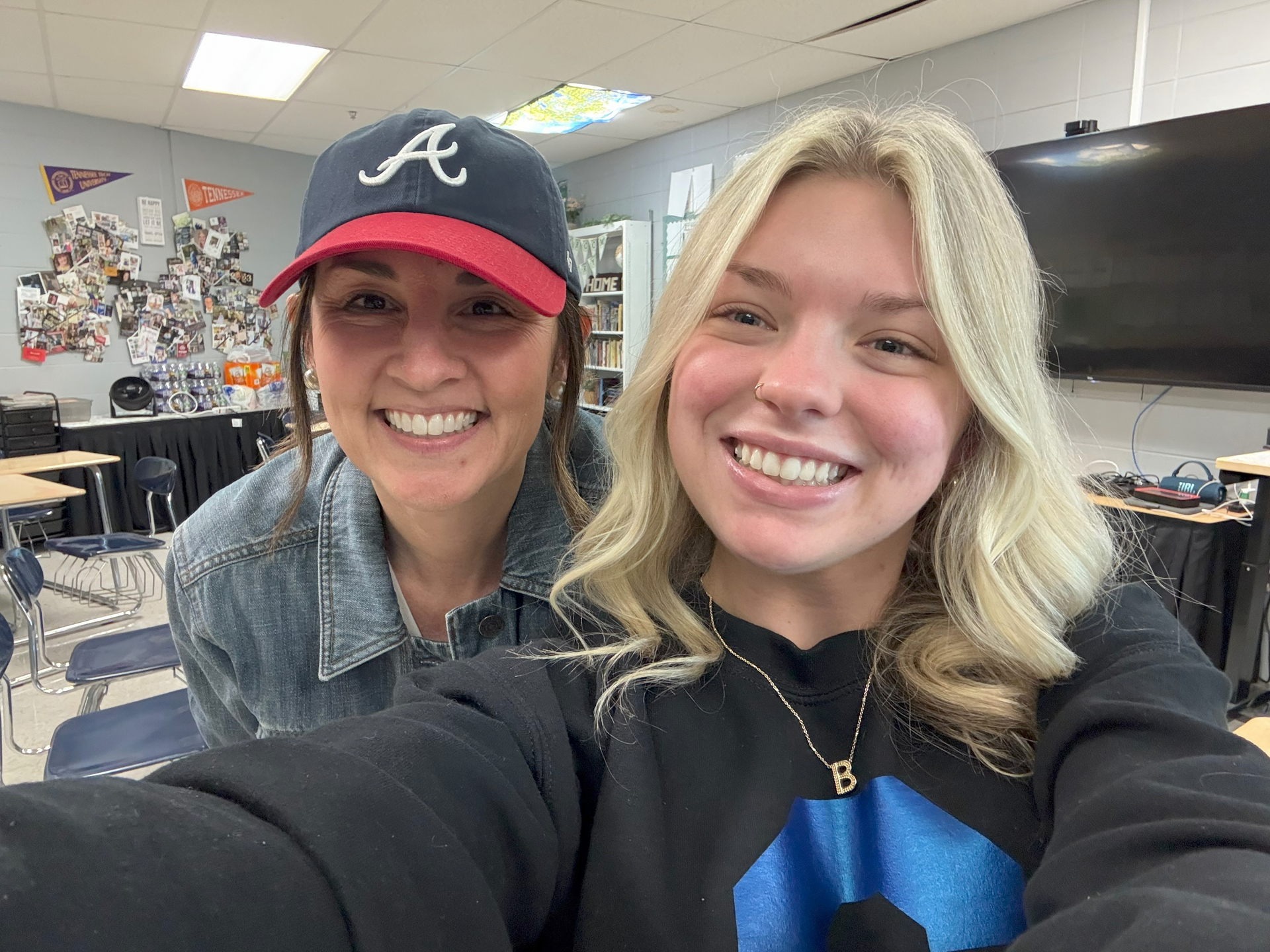
This semester reminded me how powerful a supportive placement can be. I absolutely loved working with my student teacher because it gave me a chance to reflect and vocalize my process while seeing her have classroom success stories as well. When student teachers are welcomed, given access, trusted with autonomy, and allowed to navigate real challenges, they don’t just make it through — they begin to believe they belong.
And when mentor teachers are honest about the pressures they carry, intentional about the support they give, and willing to share the real work of teaching, they help shape confident, capable educators who are ready for their own classrooms.

Love this content?
Sign up for my email newsletter with more tips, ideas, success stories, and freebies!