How to Teach Photojournalism When Your Students Are Total Beginners (But Your Publication Still Needs Great Photos)
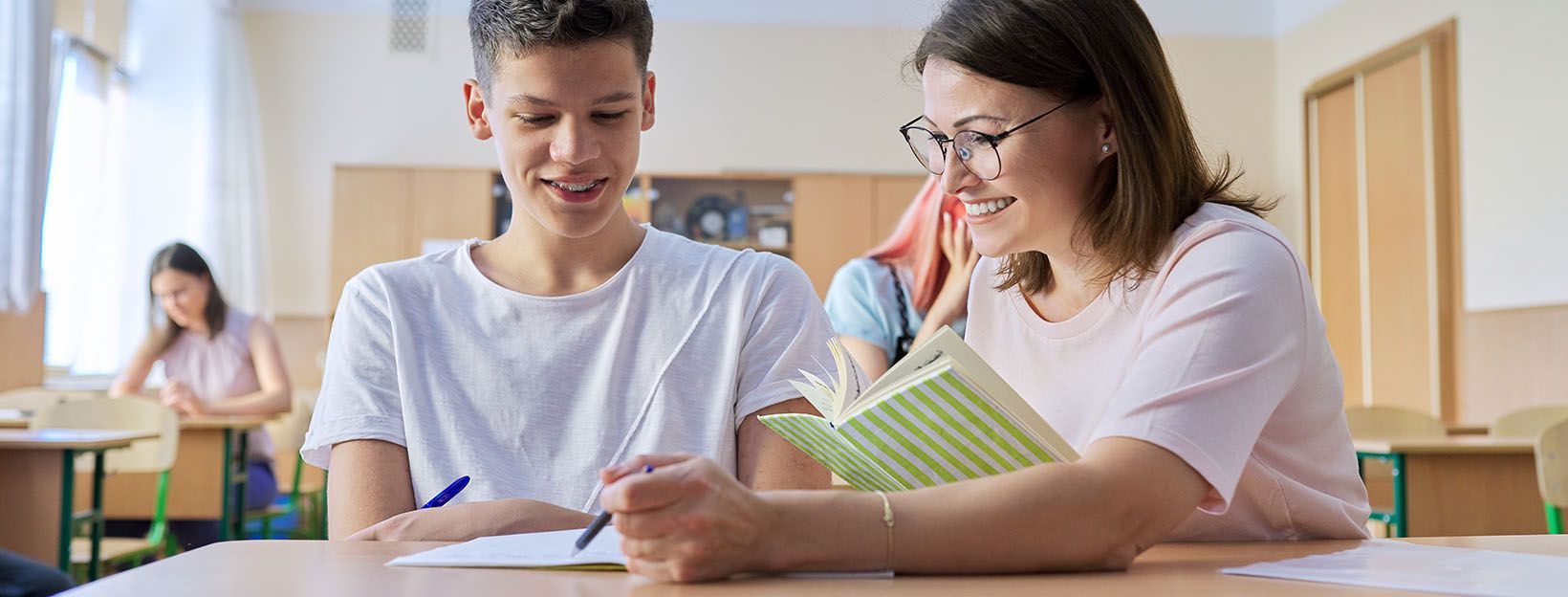
Every year, I watch the same transformation happen. A new group of yearbook and journalism students walks into my classroom — some excited, some nervous, most unsure of what they’ve signed up for — and the moment I hand them a camera, everything changes. Photography is the great equalizer. It gives shy kids a voice, gives talkative kids a purpose, and gives the whole staff a reason to start paying attention to the world around them.
Actually, it's their favorite part of the job. It’s also the fastest way to build community. When students are out photographing the school, they’re learning from each other, learning the student body, and learning how to see stories everywhere. That’s why I start photography early — sometimes in the first week — even before they fully understand what journalism is.
Over the years, these early lessons have paid off in big ways. My students’ photos have gone on to win local, state, and even national awards. But more importantly, they’ve learned to see themselves as real visual storytellers.
Here are my Fast Five strategies for teaching photojournalism when your students are total beginners — and your publication still needs great photos right away.
1. Start With the Basics — Because Most Students Have Never Been Taught Them
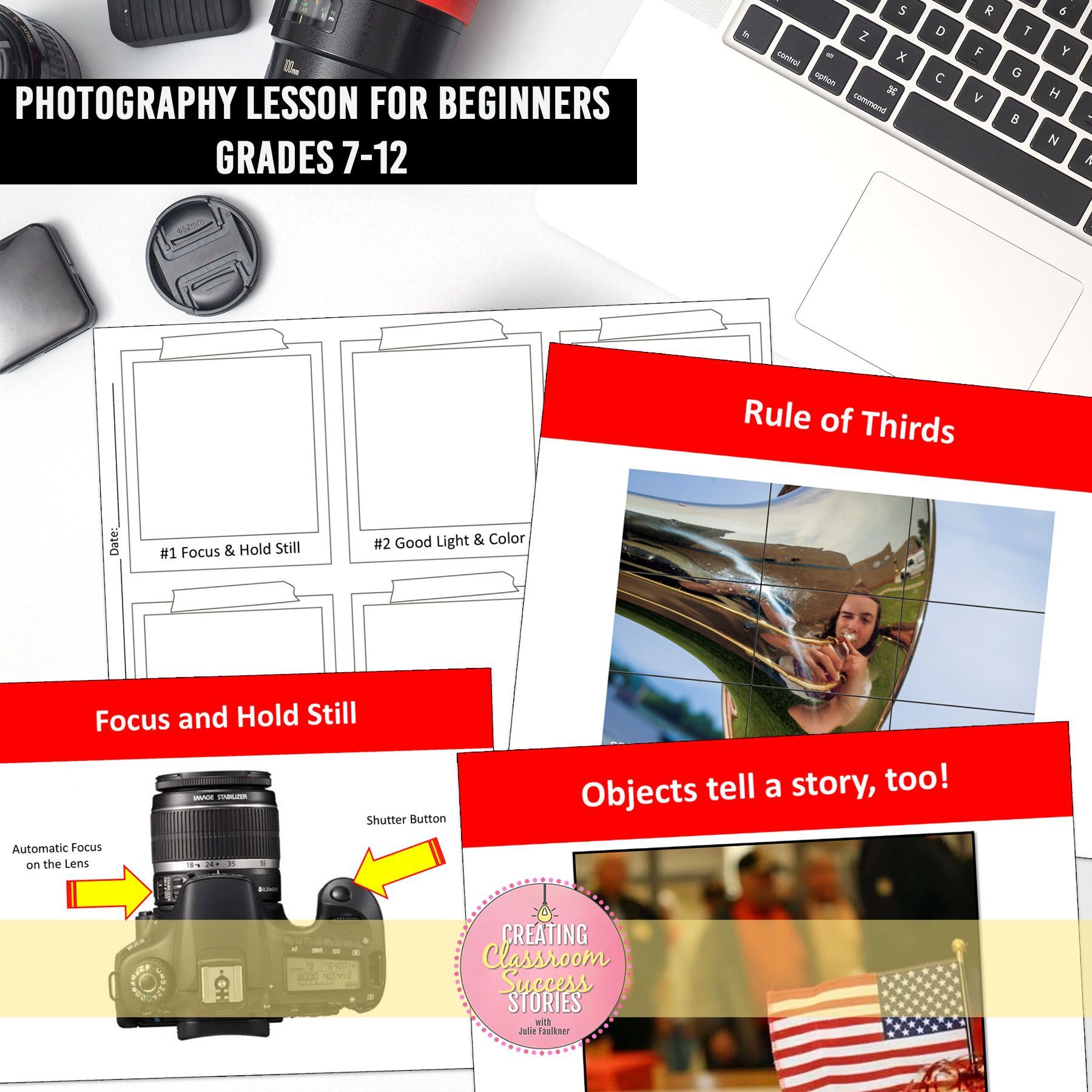
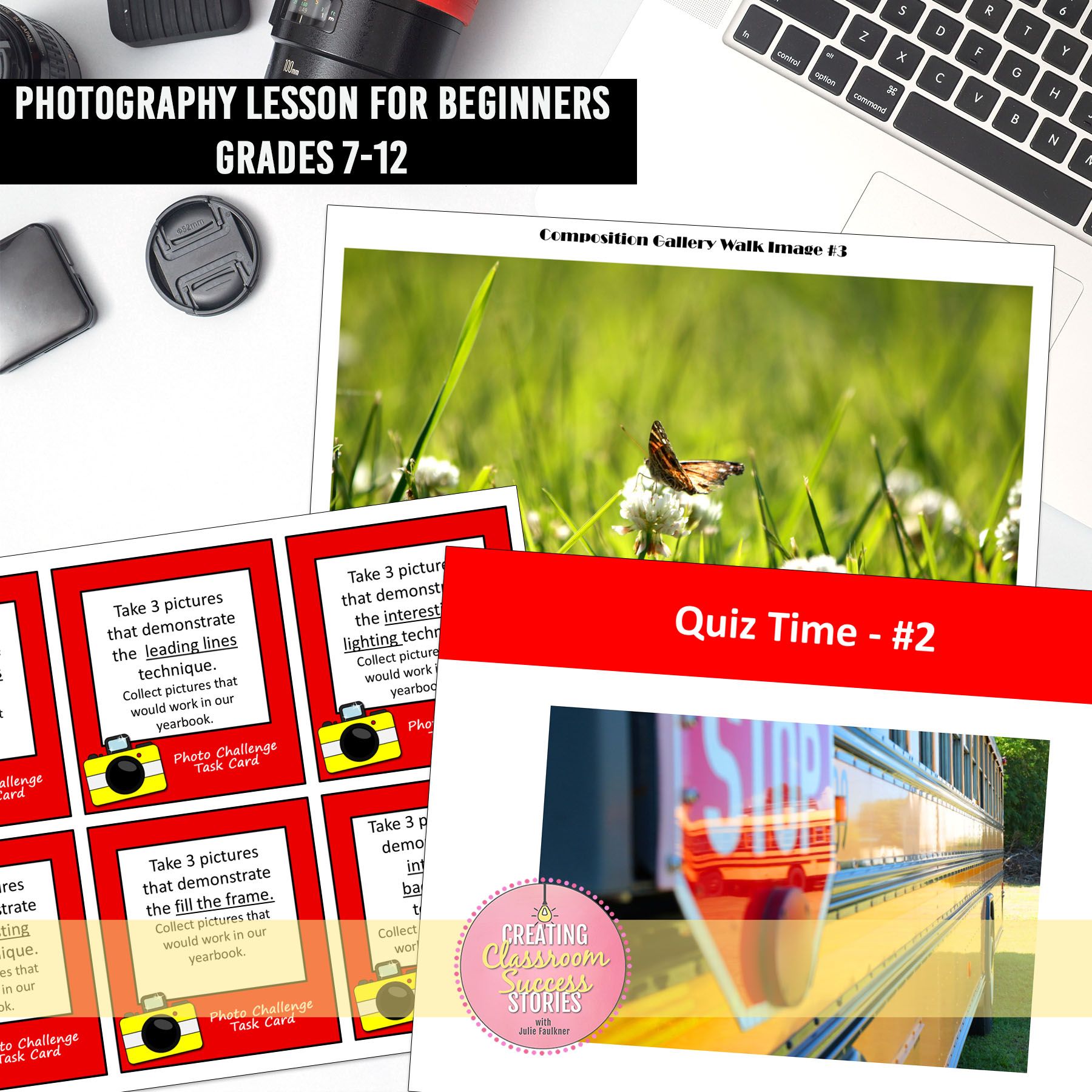
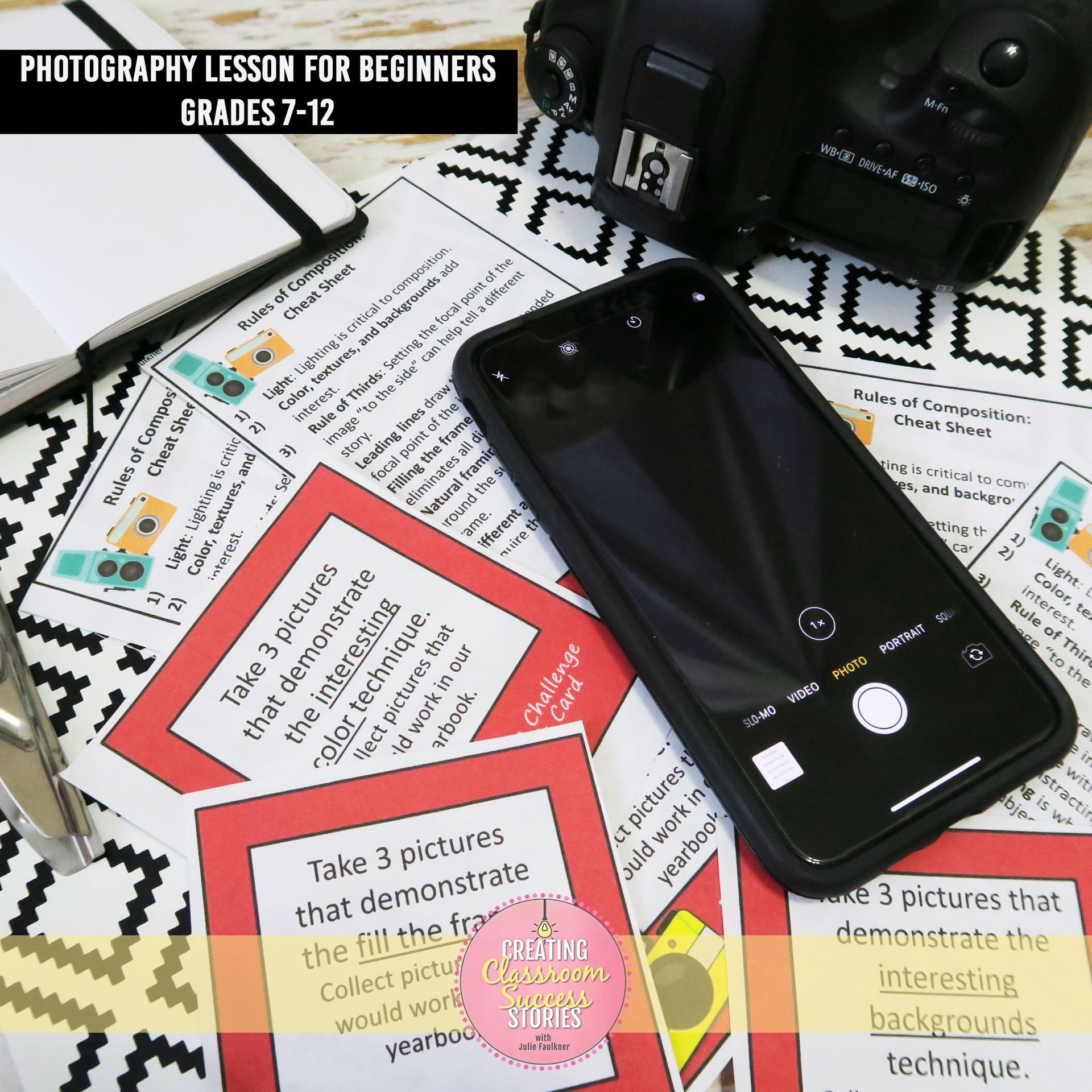
Even the most enthusiastic new staffers usually don’t know the fundamentals: how to hold a camera, how to frame a shot, or why “fill the frame” instantly improves a photo. That’s why I always begin with my Basic Photography Lesson. It’s simple, visual, and hands‑on, giving students the confidence to start shooting immediately.
We talk about:
- composition
- lighting
- angles
- storytelling through a single frame
Then we practice. Right away. Because photography is something you learn by doing, not by memorizing vocabulary. And -- maybe the most important lesson, any camera is better than no camera covering an event! My lessons work with point and shoot cameras, DSLR camera, cell phone cameras, and even disposable cameras!
2. Level Up With Manual Mode — Your Advanced Students Are Ready for It
Once students understand the basics, they’re hungry for more. They want to know how to freeze motion in sports, how to blur backgrounds for portraits, and how to shoot in low light without everything turning orange.
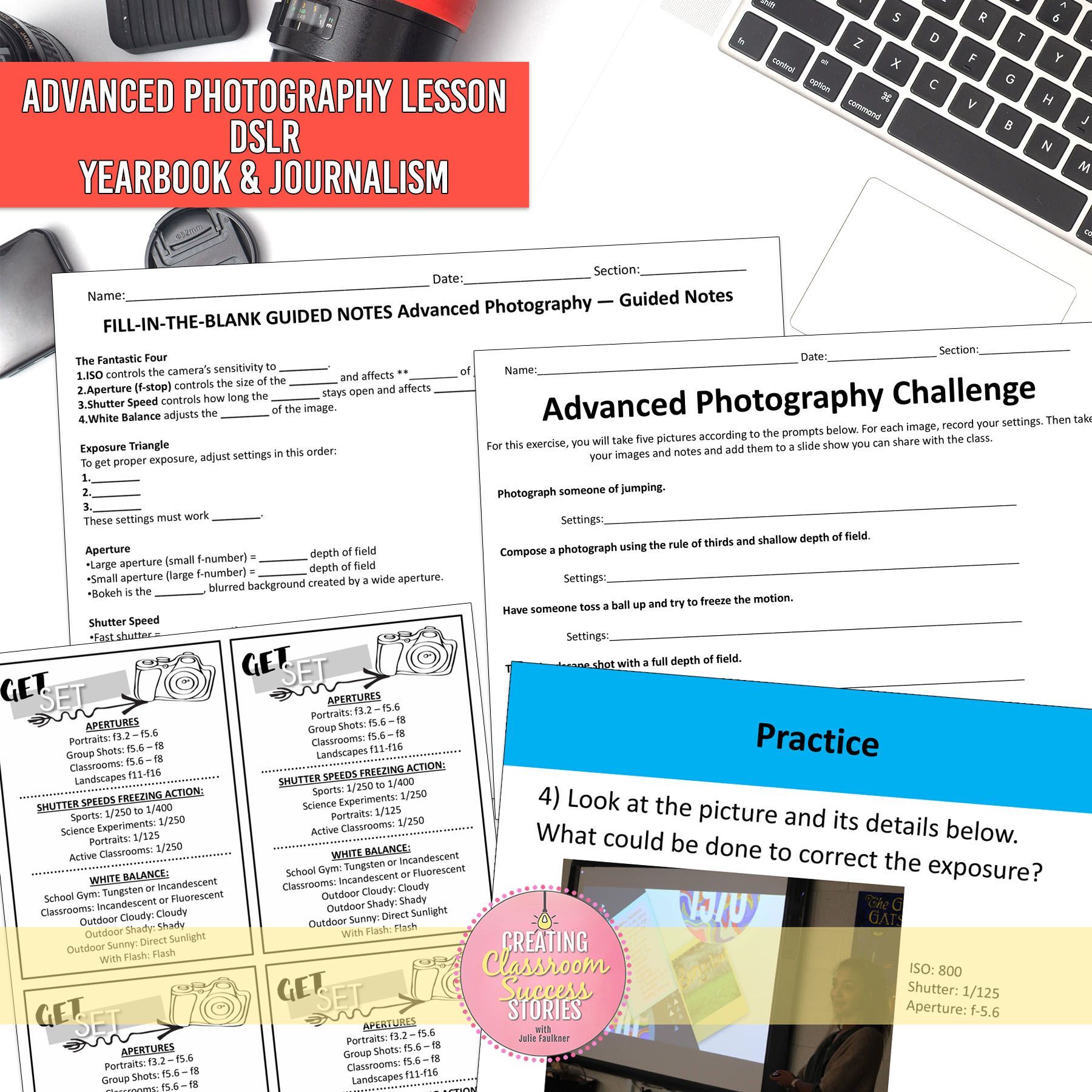
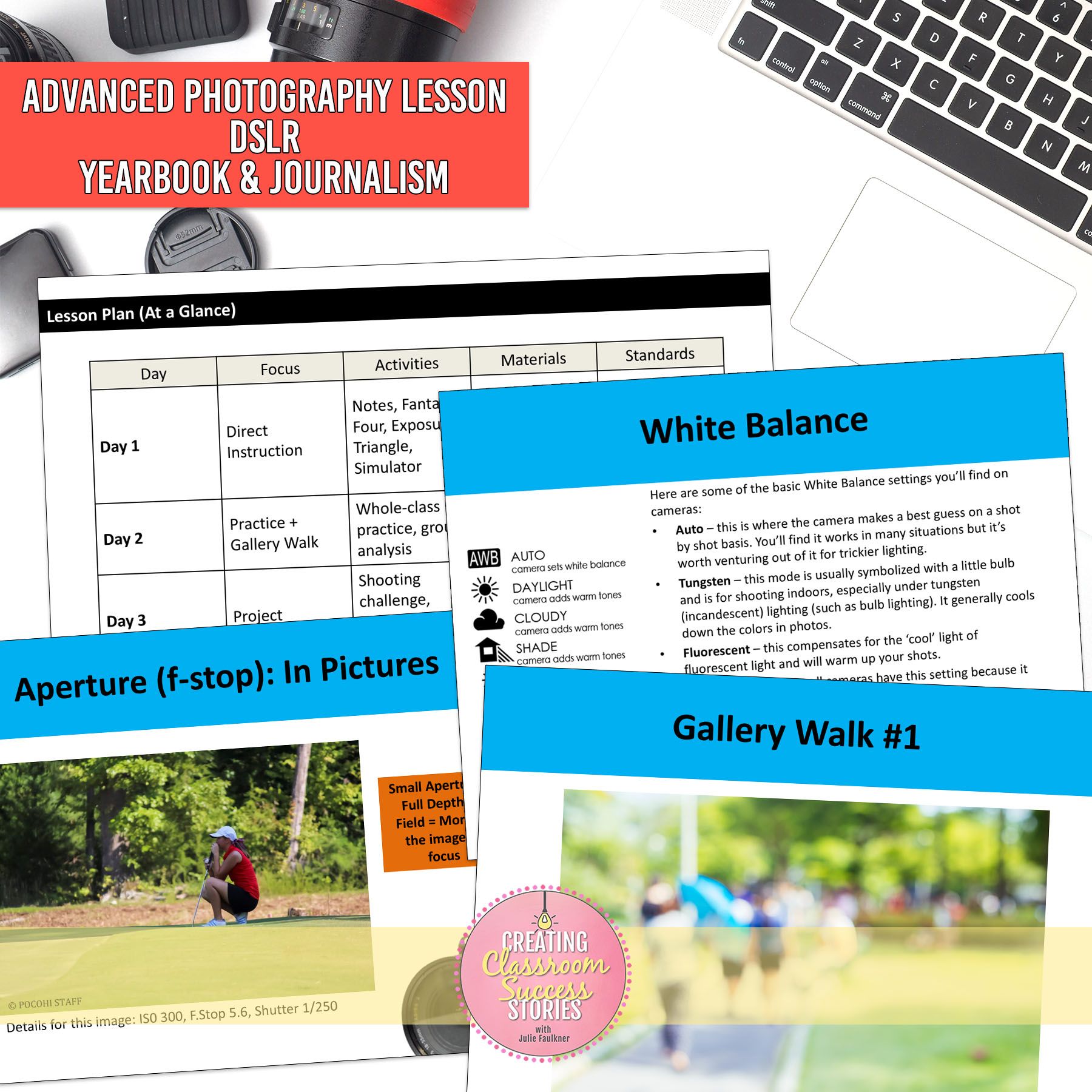
That’s where my Advanced Photography Lesson comes in. We dig into shutter speed, ISO, aperture, and white balance — the tools that turn “lucky shots” into intentional, repeatable results.
Once students understand manual mode, your sports photos improve overnight.
3. Teach Photojournalism as Storytelling — Not “Taking Pictures”
This is the shift that changes everything.
Photojournalism is about noticing. It’s about anticipating moments before they happen. It’s about capturing truth, emotion, and context — not staged smiles.
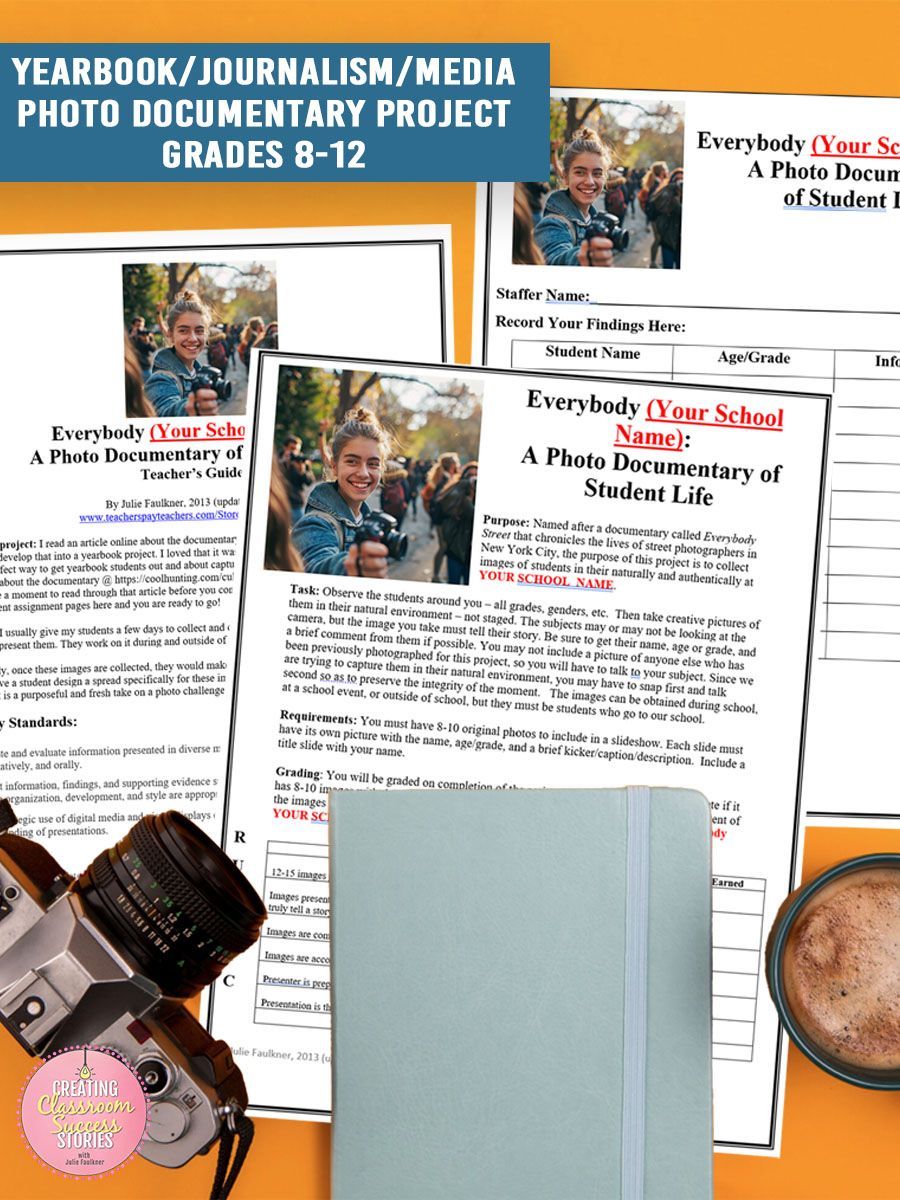
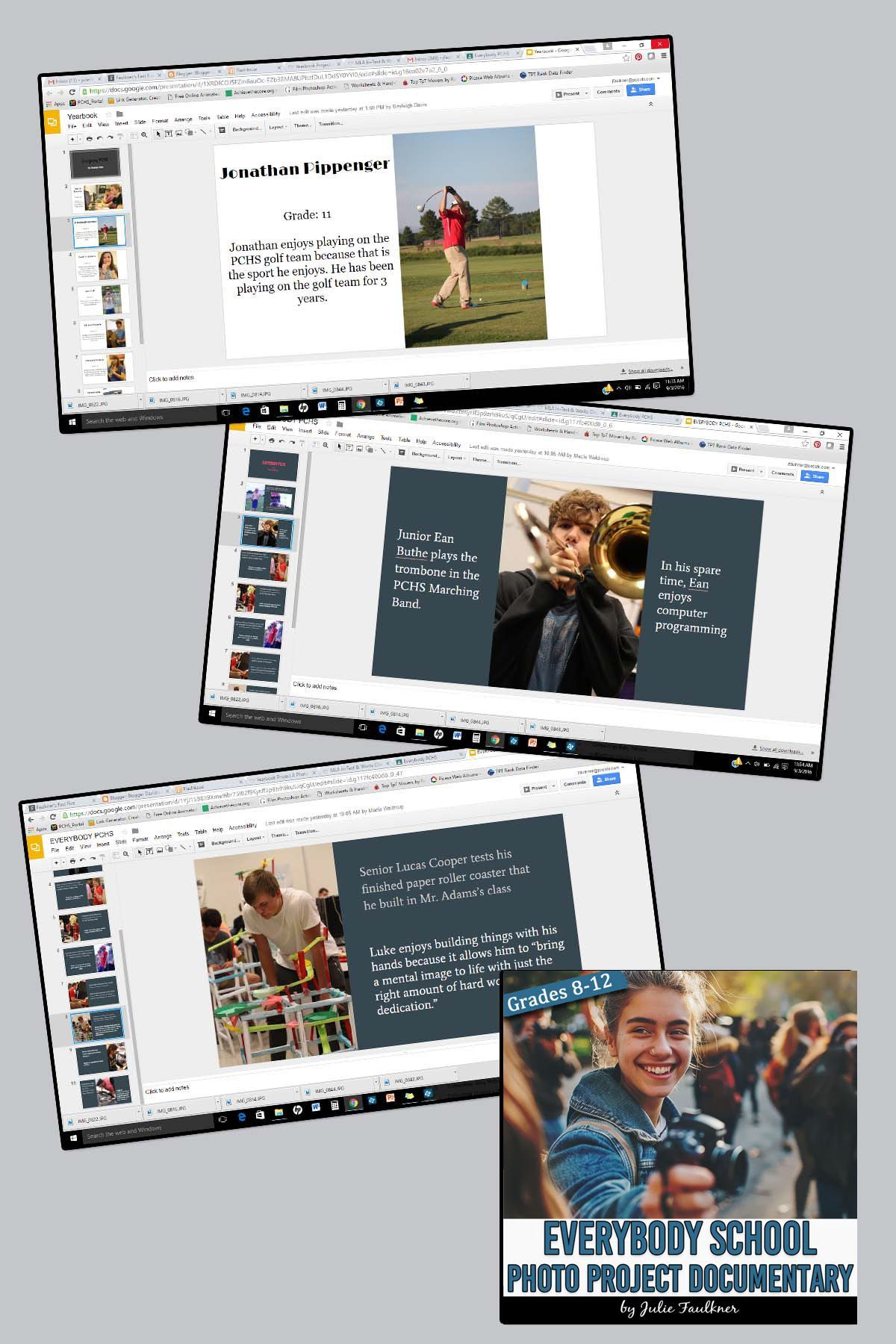
One of my favorite early‑year activities is the Photography Project: Documentary of Student Life, inspired by the street‑photography film Everybody Street. Students head into the hallways with one mission: document real life as it happens.
They spend several days collecting images, curating a slideshow, and presenting their work. The results are always powerful. Quiet kids find their voice behind the lens. New staffers start to see themselves as journalists. And the images they bring back often become the backbone of our publication — some even go on to win awards.
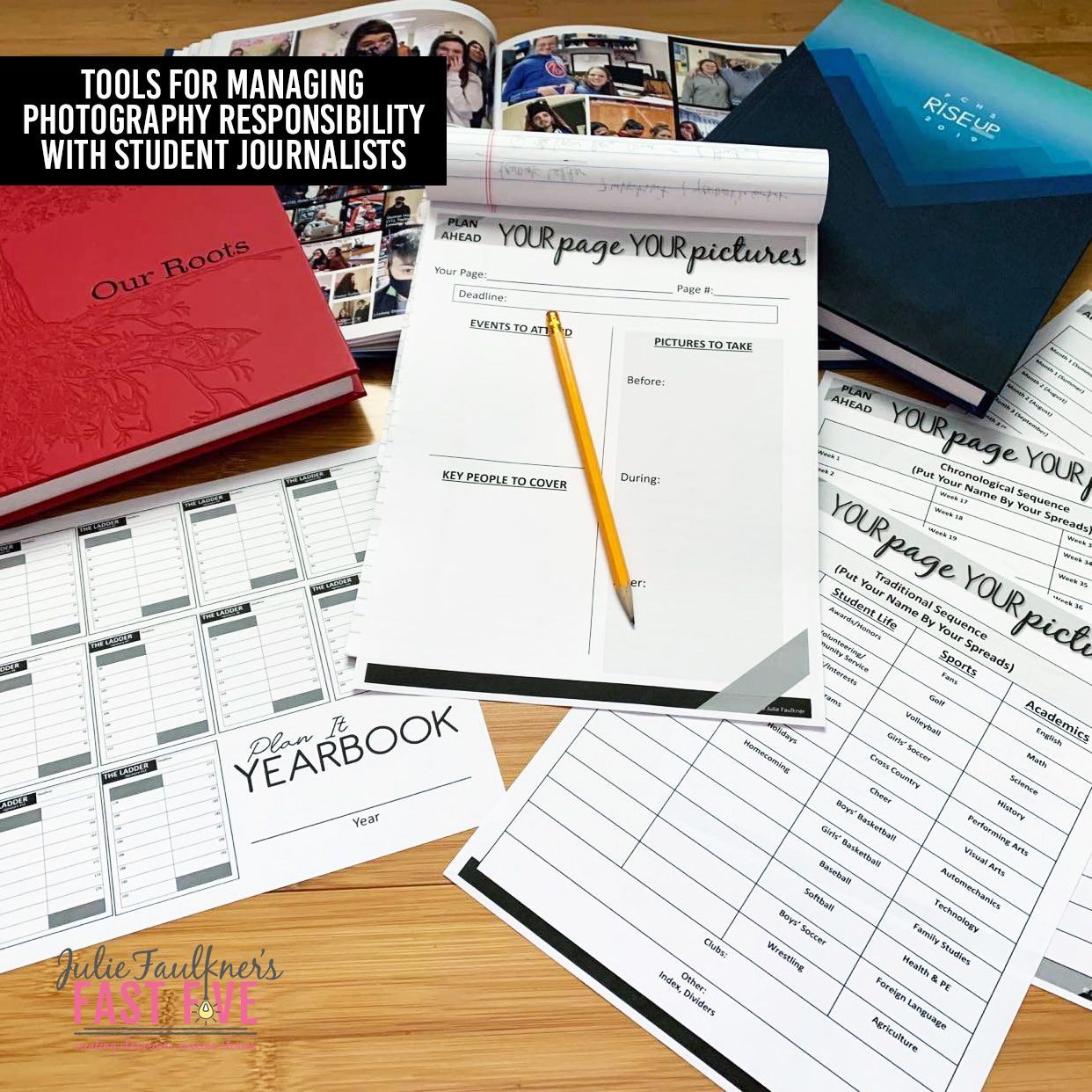
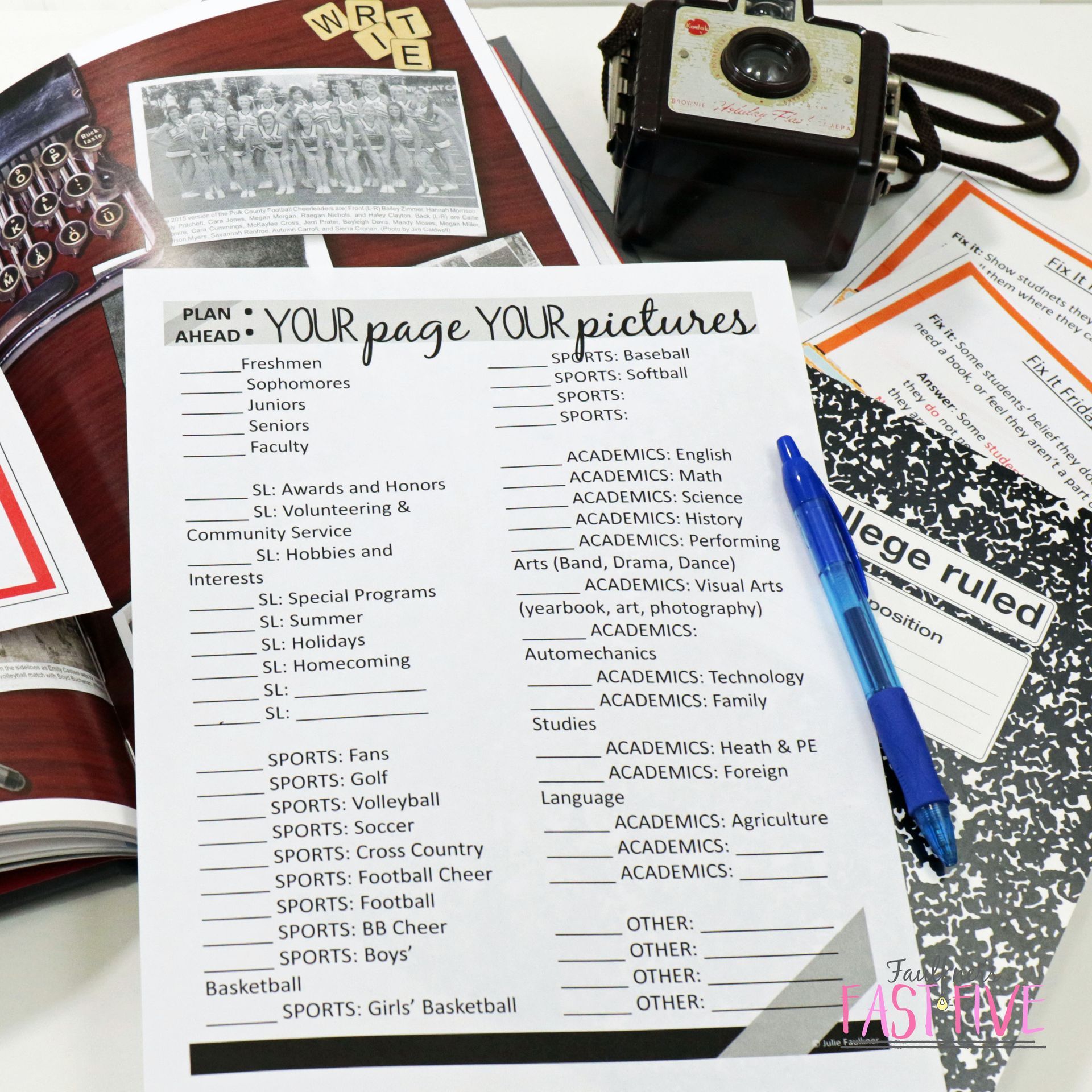
This project also pairs beautifully with my early‑year rule: “Your page, your pictures.” If you’re assigned a spread, you’re responsible for photographing it. And if you play the sport, you can’t shoot it — because you can’t photograph what you’re doing while you're doing it. This teaches responsibility, planning, and teamwork from day one. Materials for this process can be found in my yearbook advisor starter kit.
Also, my personal motto when it comes to releasing responsibility to students is "inspect what you expect." I do turn the responsibility over to them, but frequently I ask to see pictures from an event to follow up. Or I'll ask them to upload their best to an assignment dropbox or the yearbook program to double-check their work. It's a process, just like writing, so checking them along the way, so they can make adjustments (and feel good about their accomplishments), is imperative.
4. Use Mini Projects to Maintain & Advance Skills (and Fill Your Photo Library All Year Long)
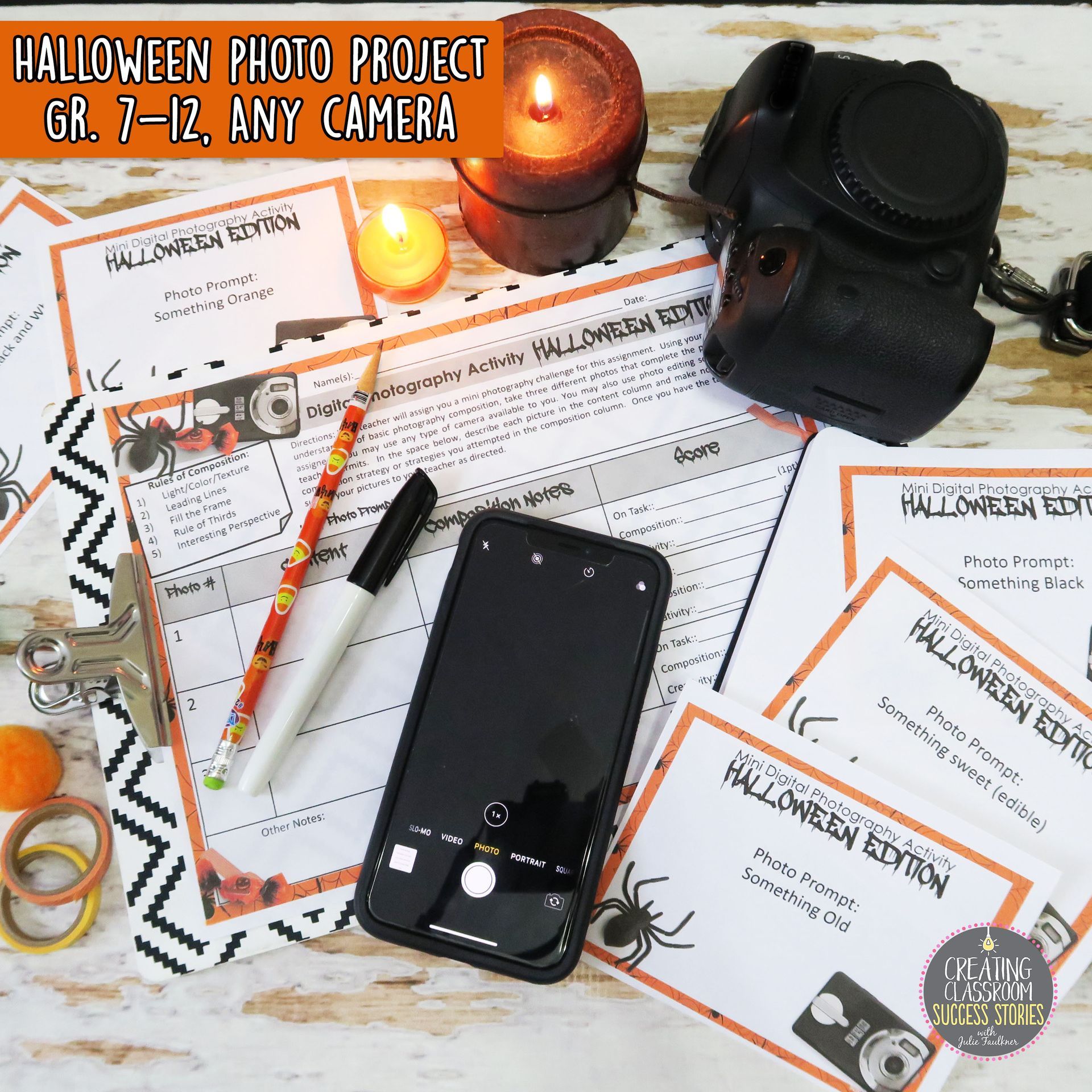
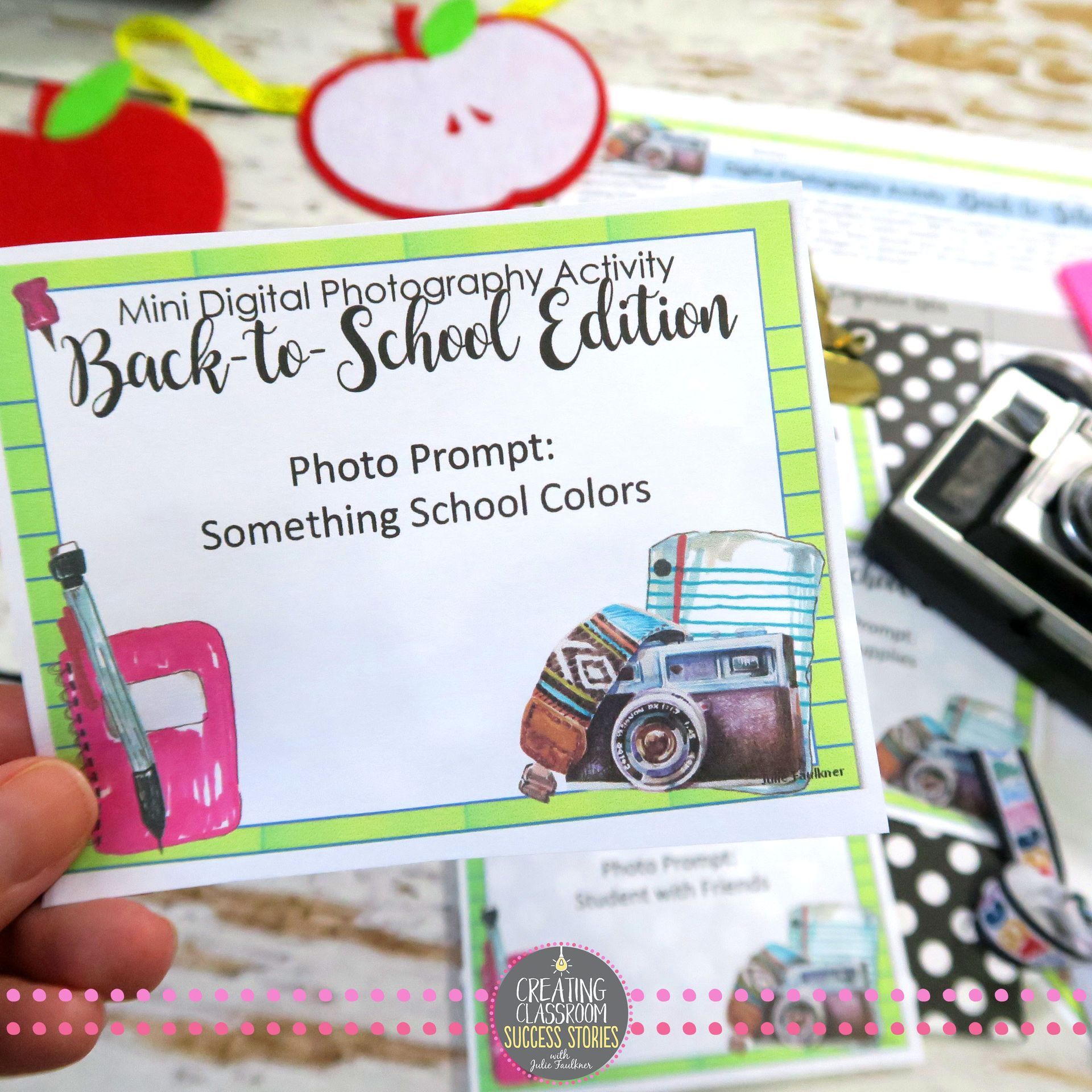
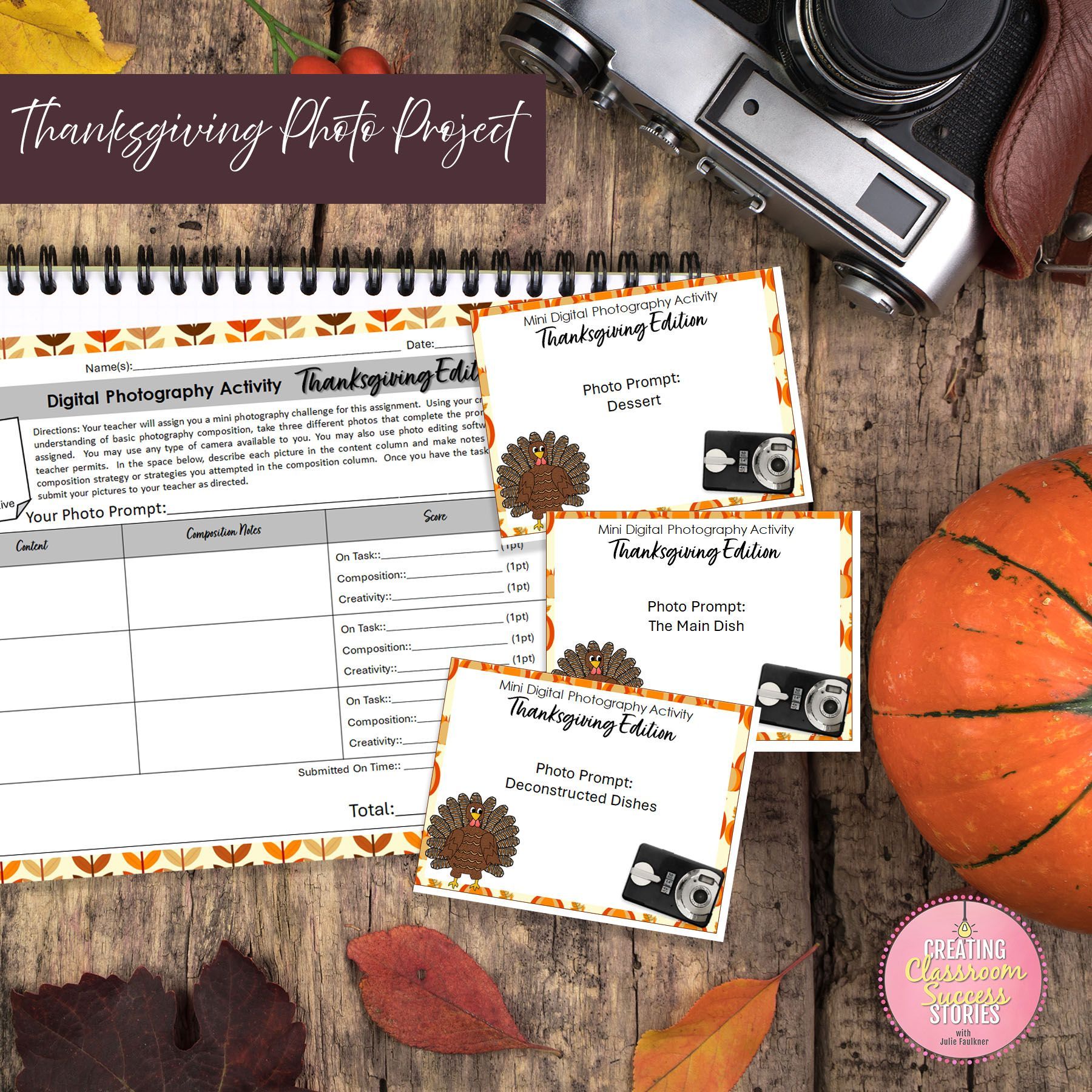
Once students catch the photography bug, it’s easy to keep the momentum going. I sprinkle in seasonal photography mini projects throughout the year — quick, creative assignments that build skill while stocking our photo library with authentic, usable images.
These projects are perfect for:
- slow news weeks
- staffers who finish early
- building confidence
- diversifying your photo coverage
- teaching creativity in photography
They also keep students shooting consistently, which is the real secret to strong photography.

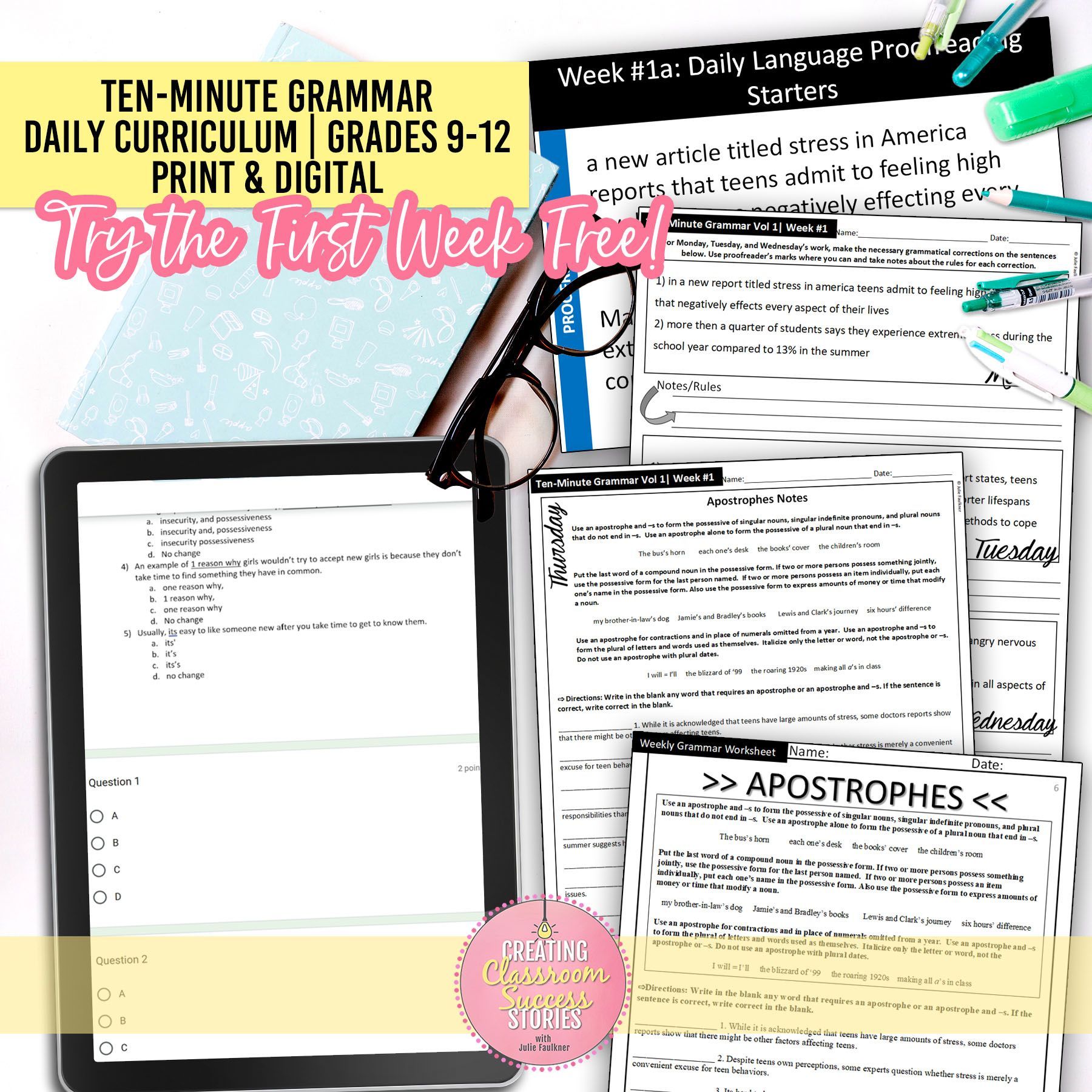
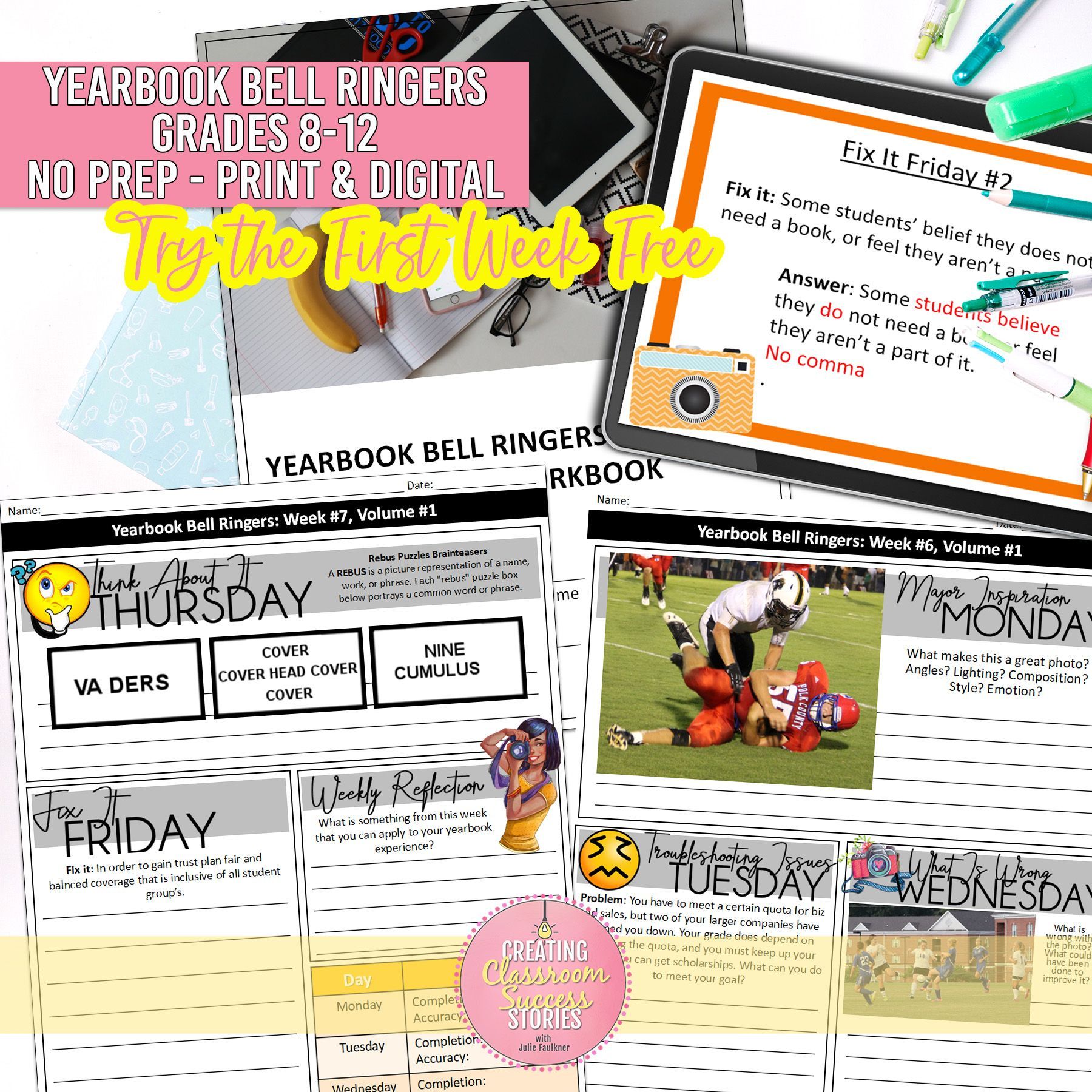
Another strategy I use to keep their photo skills sharp is with my Daily Yearbook/Journalism Bell Ringers. Students analyze great pictures as well as identify issues with bad images throughout the week, along with other challenges and thought-provoking prompts to keep your yearbook staffers on their toes! You can try the first week free by clicking the link below.
5. Teach Safety, Systems, and Captions — Because Photojournalism Is More Than the Camera
This is the part no one talks about, but every adviser needs.
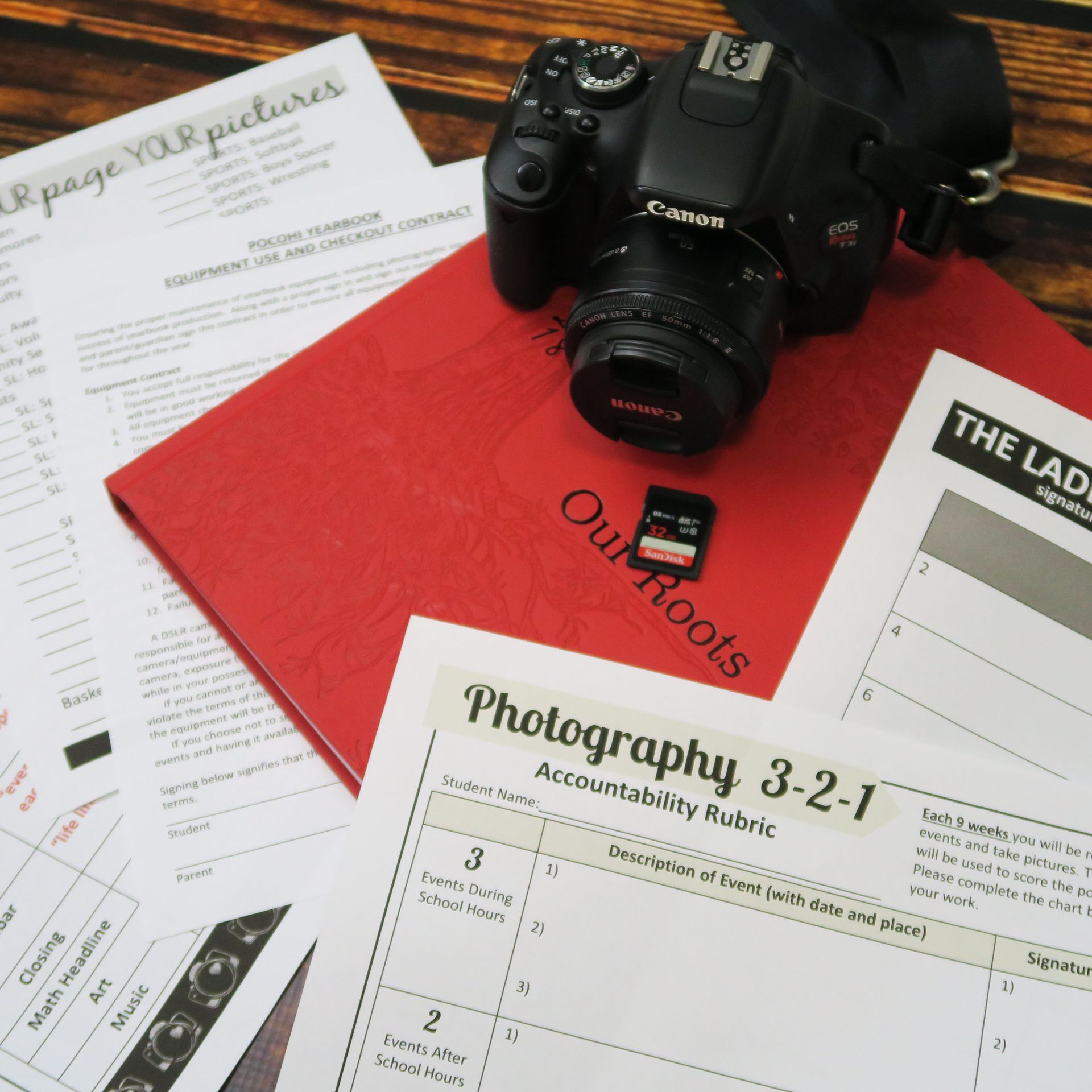
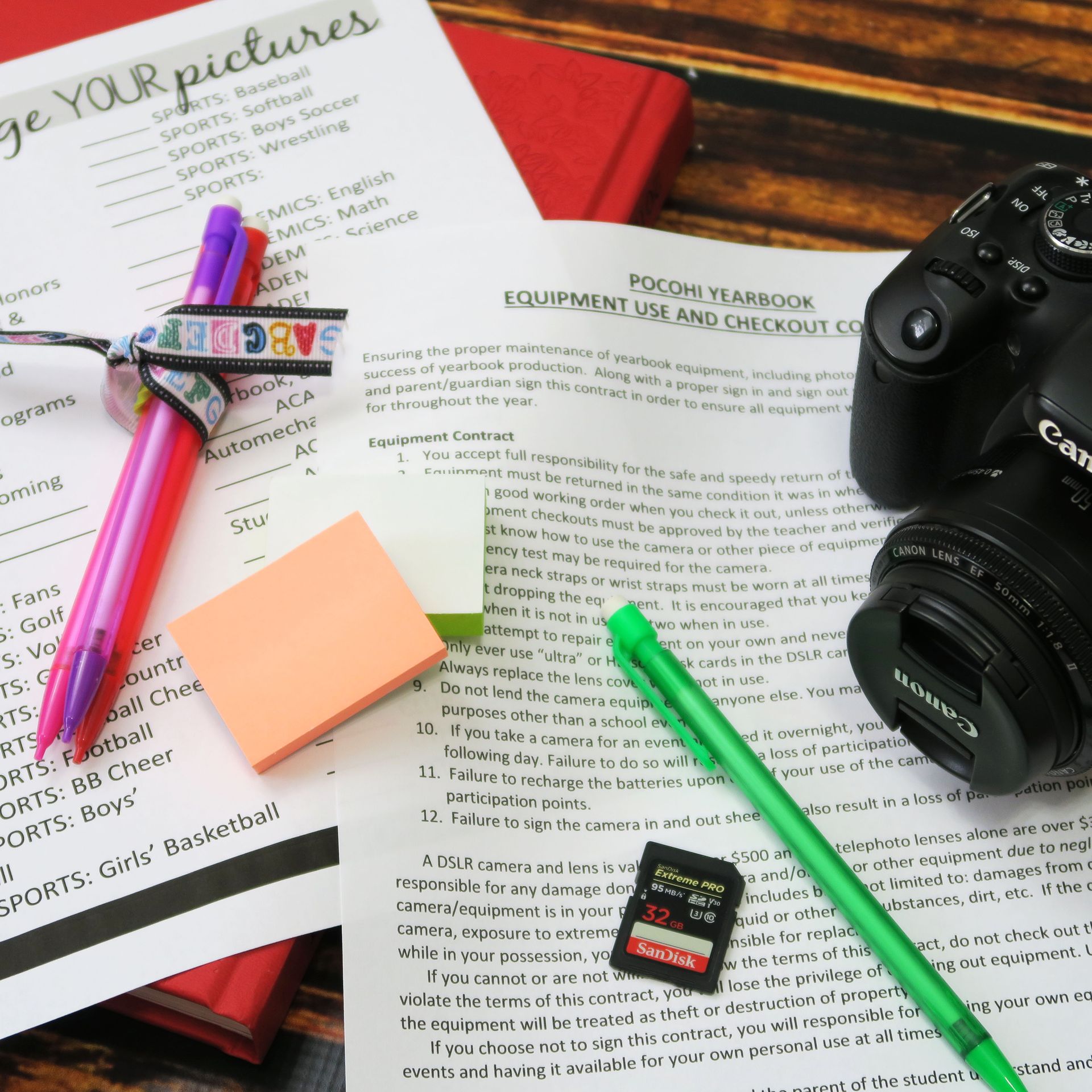
Before students ever check out equipment, we go over:
- how to safely carry a DSLR
- how to change lenses without damaging the sensor
- how to format SD cards
- how to store equipment properly (not in a hot car or at a game in the rain :/)
- how to check cameras in and out responsibly
- how to upload and back up images
These routines protect your gear and teach students professionalism.
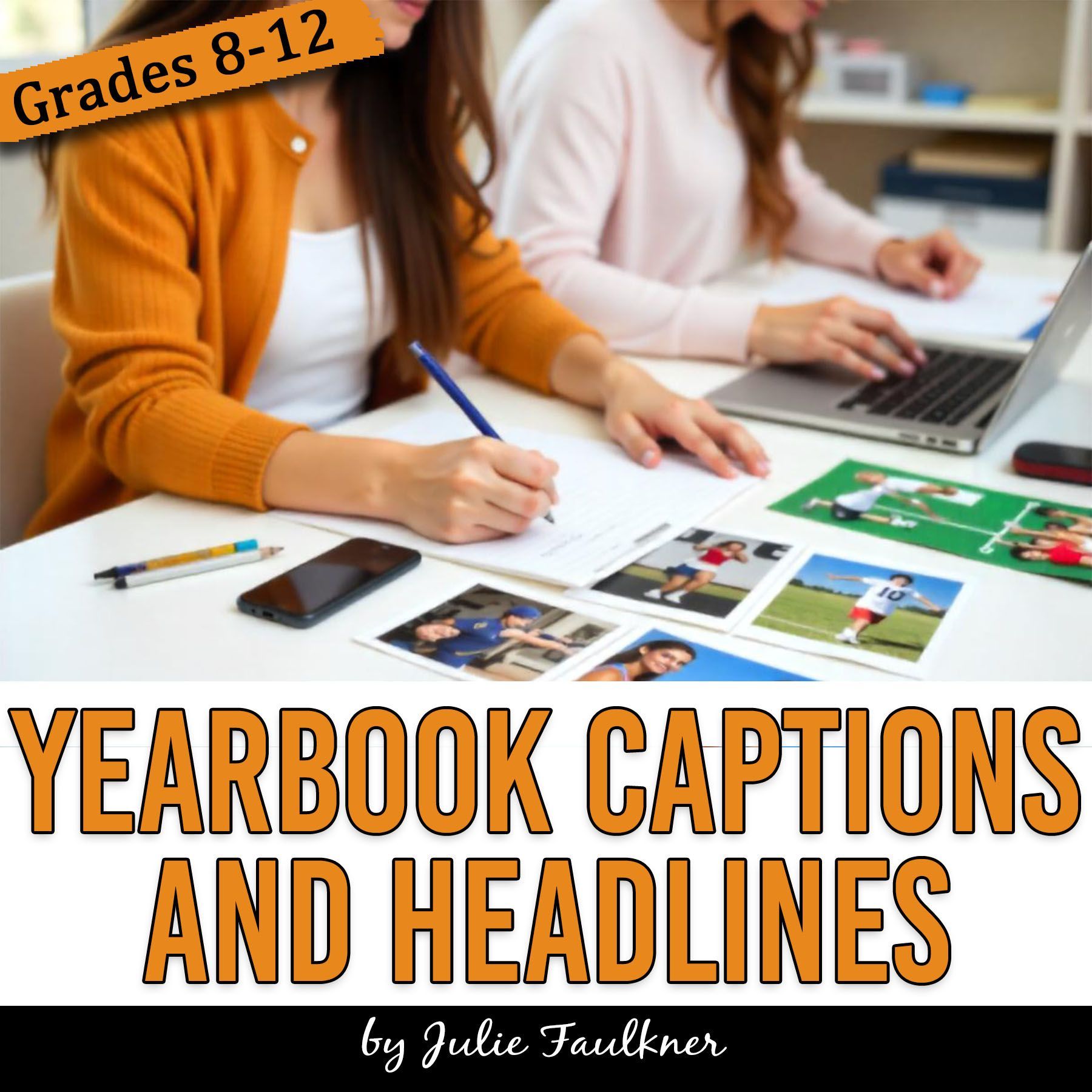
And once they’re shooting confidently, we pair photography with caption writing. A great photo without a great cutline is only half a story. Teaching captions alongside photography helps students understand the purpose of the image — and it elevates your publication instantly. Check out my Yearbook Captions Full Teaching Pack.
Final Thoughts
You don’t need a full photography curriculum to get strong, storytelling images from your journalism students. You just need a clear, intentional sequence:
- Teach the basics
- Add advanced skills
- Give them a real journalism project
- Reinforce with mini assignments
- Teach safety, systems, and captions
If you want your students to feel like real visual reporters and photojournalists — and if you want your publication to shine — these five steps will get you there.

Love this content?
Sign up for my email newsletter with more tips, ideas, success stories, and freebies!