5 Ways to Sneak ACT Reading Practice into Your Literature Unit
If you teach high school ELA, you've probably felt the tension. You either know your students will only prep for the ACT if you give them time to do it, your instructional coach said you needed more nonfiction, or it's a combination of both that has led you here.
Somewhere between finishing Macbeth, preparing for state testing, grading essays, and keeping students engaged, ACT prep often becomes one more thing you're expected to squeeze into an already packed curriculum. However, there's only so much room in the calendar.
The good news? It doesn't have to be a separate unit.
Some of the most effective ACT practice happens when students don't feel like they've stepped away from the literature you're already teaching. By using passages and questions connected to your current novel, play, or nonfiction text, you can build reading stamina and test-taking confidence without sacrificing valuable instructional time.
Here are five easy ways to weave ACT reading practice into the literature units you're already teaching.
1. Use ACT-Style Passages Connected to the Novel or Play You're Already Teaching.
One reason students (and teachers who love literature)resist test prep is that it often feels disconnected from everything else happening in class. When students are deep into The Crucible, Macbeth, or The Great Gatsby, they don't want to pause their learning to tackle practice passages that feel completely unrelated to the unit. They're far more likely to engage when the reading connects to the themes, characters, and ideas they're already exploring.
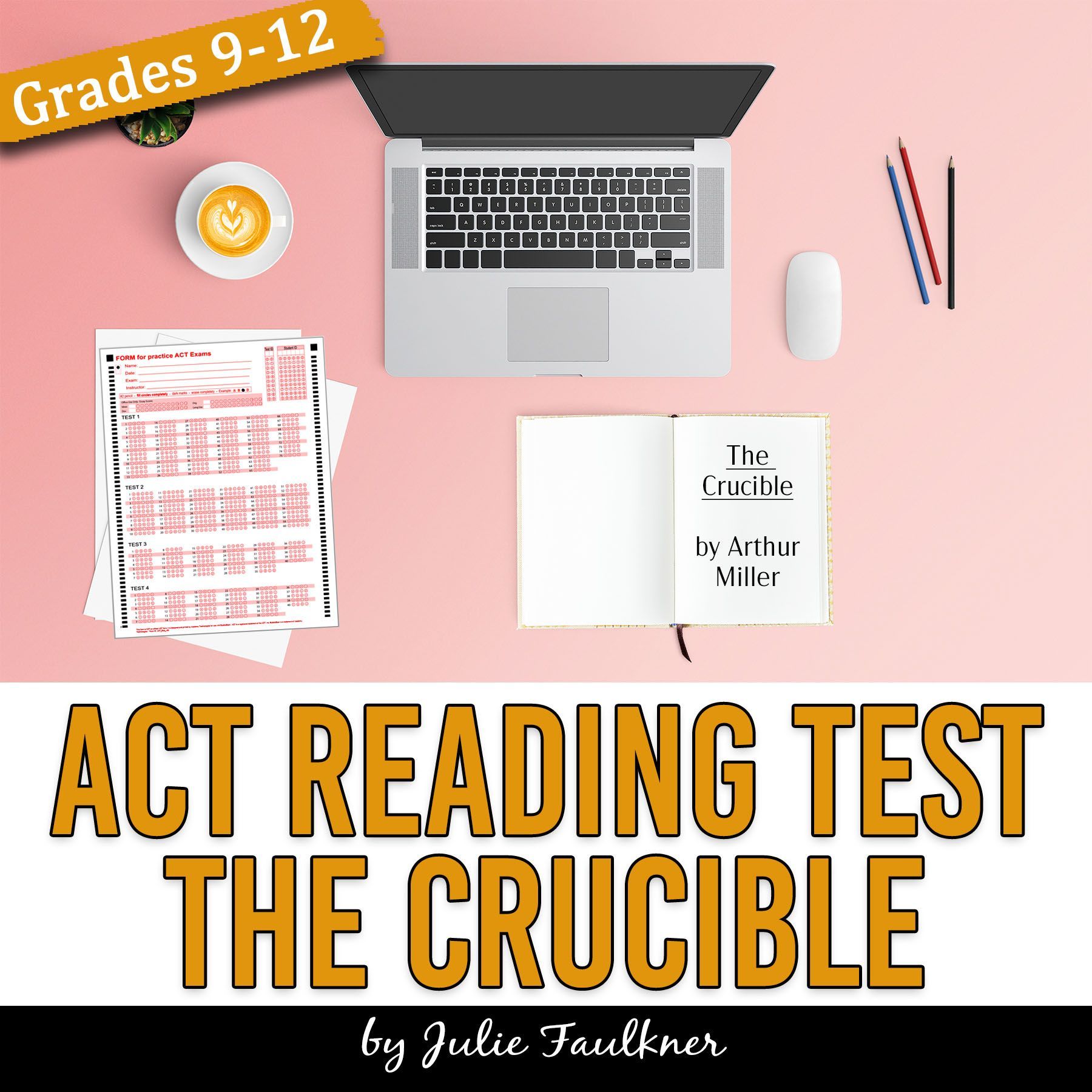
But with the right ACT-style resource built around the texts you're already studying, it really can be interesting and beneficial. And with my ACT-style reading practice test for literature, you actually do get one prose passage, too!
For example, while reading The Crucible, students might analyze an excerpt from Proctor's confession, explore the history of Salem, compare viewpoints about mass hysteria, or read a science-based article explaining symptoms once attributed to possession. The same approach works with Frankenstein, Lord of the Flies, Macbeth, Fahrenheit 451, Night, and other commonly taught texts.
Students are still practicing key ACT reading skills like determining main ideas, drawing inferences, analyzing structure, and evaluating evidence. The difference is that they're doing it within a context they already understand.
That familiarity increases engagement and helps students see that strong reading skills transfer across genres and assessments.
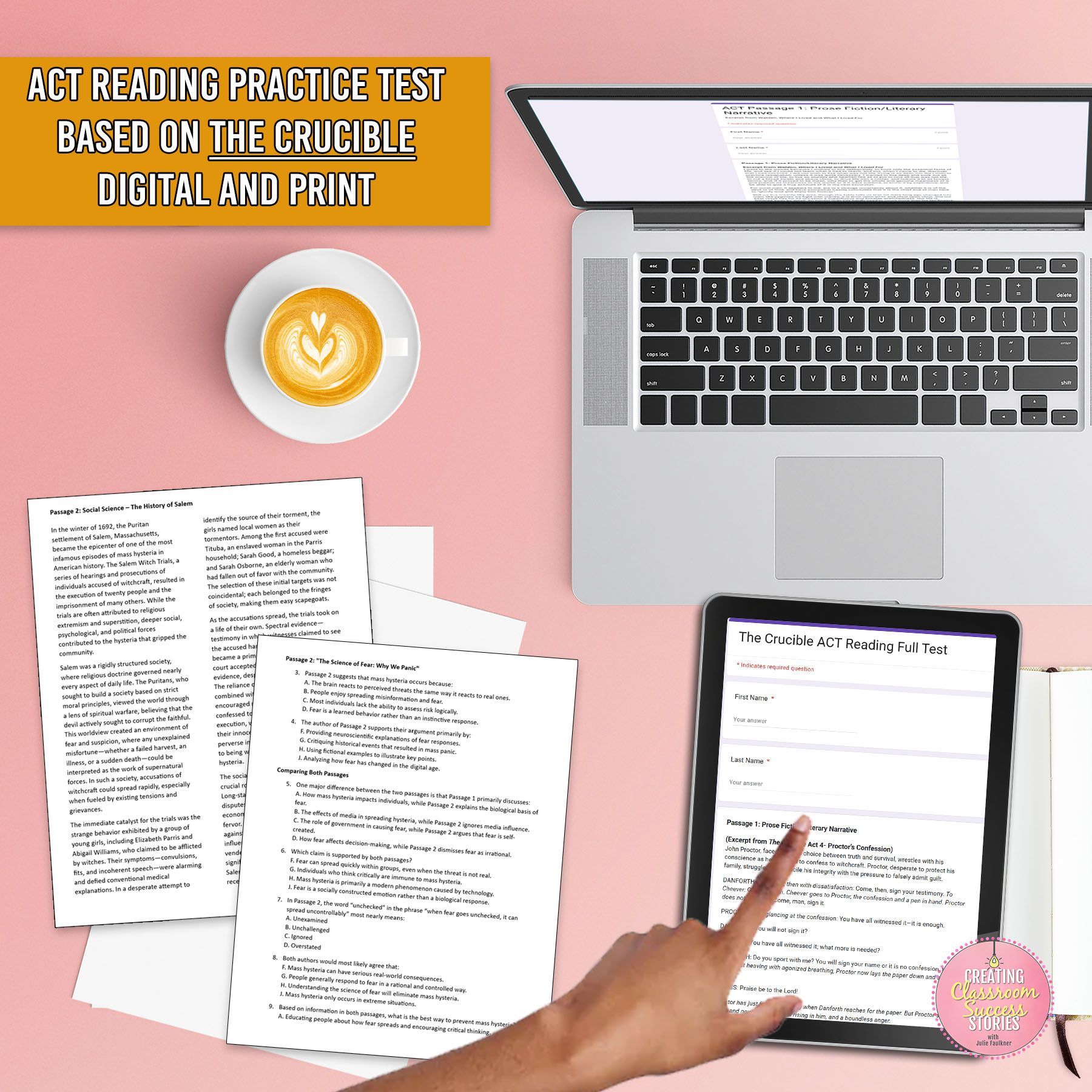
2. Use One Passage at a Time as a Bell Ringer.
Many teachers think ACT prep requires an entire class period.
It doesn't. It can, but it doesn't have to.
Still unconvinced? One of the simplest ways to build reading stamina is to use a single passage as a bell ringer once or twice each week. Students can read a short selection, answer a few questions, and discuss their thinking before moving into the day's lesson.
For example, during a Macbeth unit, students might begin class with an ACT-style passage based on an adapted version of Act 1, Scene 7 or Act 2, Scene 1. On another day, they might tackle a social science passage about the psychology of ambition, compare perspectives in a humanities split passage examining depictions of madness, or analyze a science-based text about poisons and toxins in the Renaissance. Each passage reinforces themes students are already encountering in Shakespeare's play while exposing them to the variety of texts and question types they'll see on the ACT.
Over time, those small chunks add up to significant practice.
This approach works especially well during literature units because students encounter ACT-style questions while staying connected to the themes, ideas, and content they're already studying. It also provides a low-pressure way for students to become familiar with question wording before facing a full-length test.
Even better, it keeps test prep from taking over the curriculum.
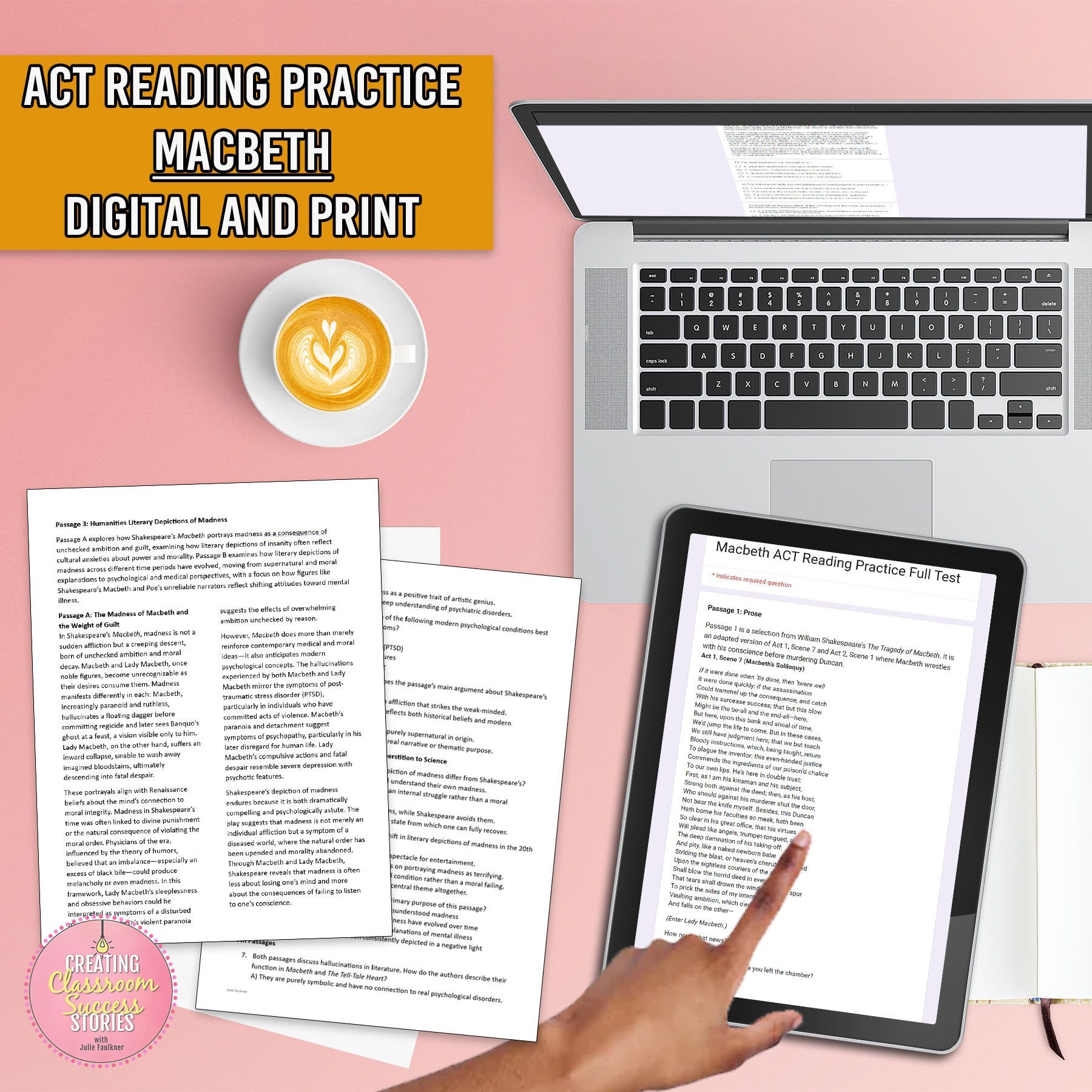
3. Add Timed Reading Bursts to Build Stamina.
One of the biggest challenges students face on the ACT isn't the questions themselves. It's the pace. Strong readers often struggle because they're not accustomed to making decisions under time constraints. That's why short, timed practice can be more effective than occasional marathon sessions.
Try setting aside about nine minutes for students to complete a passage and accompanying questions. The timer creates urgency without overwhelming students, and the limited time commitment makes it easy to fit into almost any lesson plan. When students practice this way consistently, they begin developing the reading stamina, pacing awareness, and confidence needed for test day.
The best part? You can devote less than ten minutes to ACT prep while keeping the majority of class time focused on your literature unit.
4. Turn ACT Practice into an Easy Sub Plan.
Because ACT reading passages are self-contained and standards-based, they make excellent emergency sub plans. Students can work independently, complete the questions, and review answers afterward without requiring extensive content knowledge from the substitute teacher.
This option is particularly useful when using passages connected to texts students already know. For example, during a The Great Gatsby unit, students might work through an ACT-style prose passage adapted from Chapter 1, explore the cultural impact of the Harlem Renaissance in a social science text, compare perspectives on jazz music in a humanities split passage, or analyze an informational text about 1920s automobile engineering. These passages reinforce the era, themes, and cultural context of the novel while helping students practice the wide range of nonfiction and literary reading skills required on the ACT.
Having a ready-to-use ACT lesson on hand means you're strengthening test readiness and solving one of the most common classroom planning challenges at the same time.
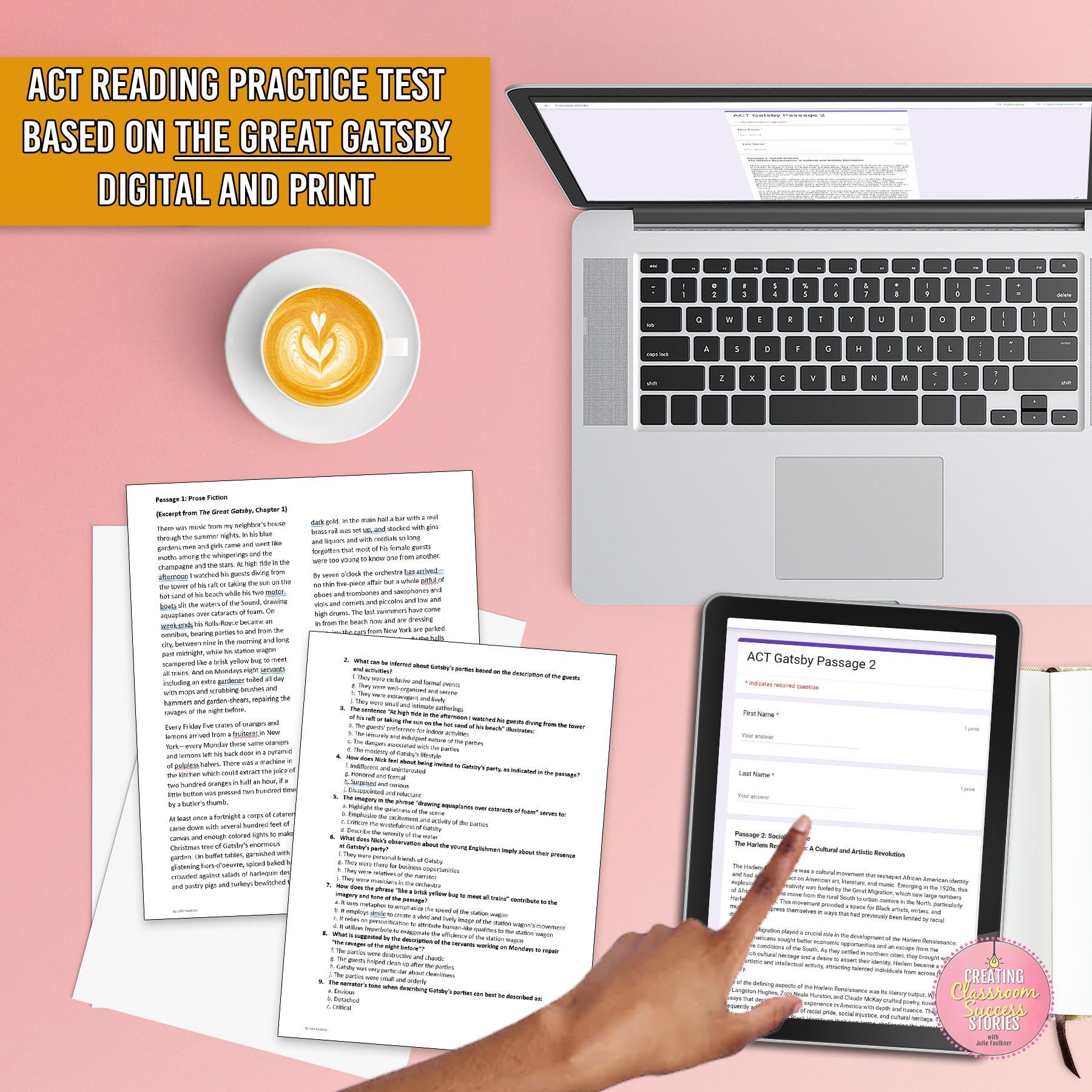
5. Use Self-Checking Digital Forms to Make Feedback Instant.
Nobody wants another stack of papers to score.
Digital self-checking forms can eliminate much of that workload while providing students with immediate feedback. Instead of waiting several days to see results, students can identify mistakes, review explanations, and recognize patterns in their thinking right away.
The instant feedback helps students become more aware of question types that challenge them, whether that's inference, author's purpose, vocabulary in context, or main idea questions.
It also gives teachers valuable data without creating additional grading responsibilities.
When used consistently throughout a literature unit, these quick feedback cycles can help students make noticeable gains in both reading comprehension and confidence.
Final Thoughts
ACT prep doesn't have to mean abandoning your novel study, pausing your literature unit, or spending weeks on isolated test practice.
In fact, some of the best ACT preparation happens when students encounter authentic reading challenges in the context of texts they're already studying. Whether you're using a single bell-ringer passage, assigning a quick timed practice, planning for a substitute, or incorporating self-checking digital activities, small doses of ACT practice can have a big impact over time.
The goal isn't to teach a separate ACT unit. The goal is to make ACT reading a natural part of the reading instruction you're already doing every day.
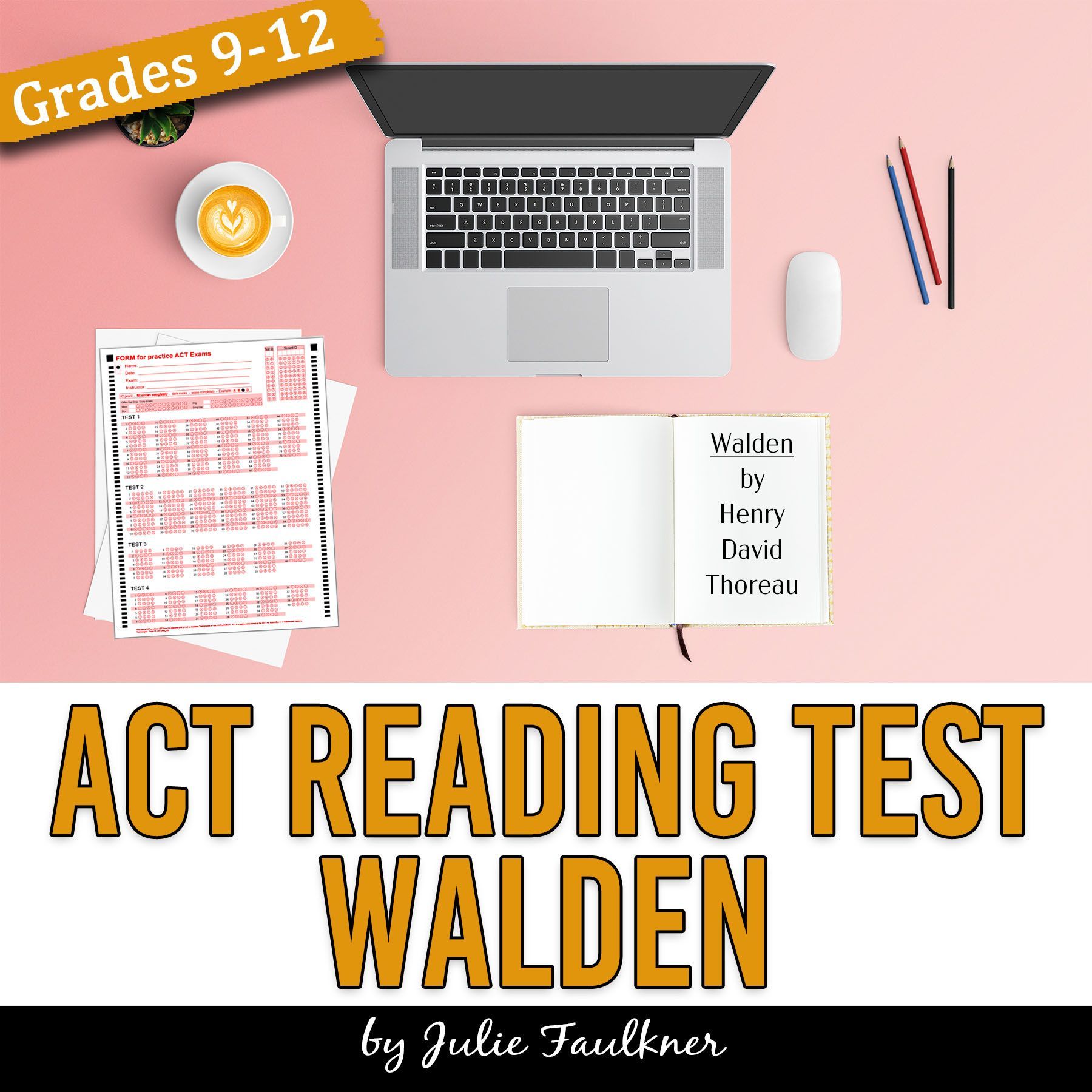
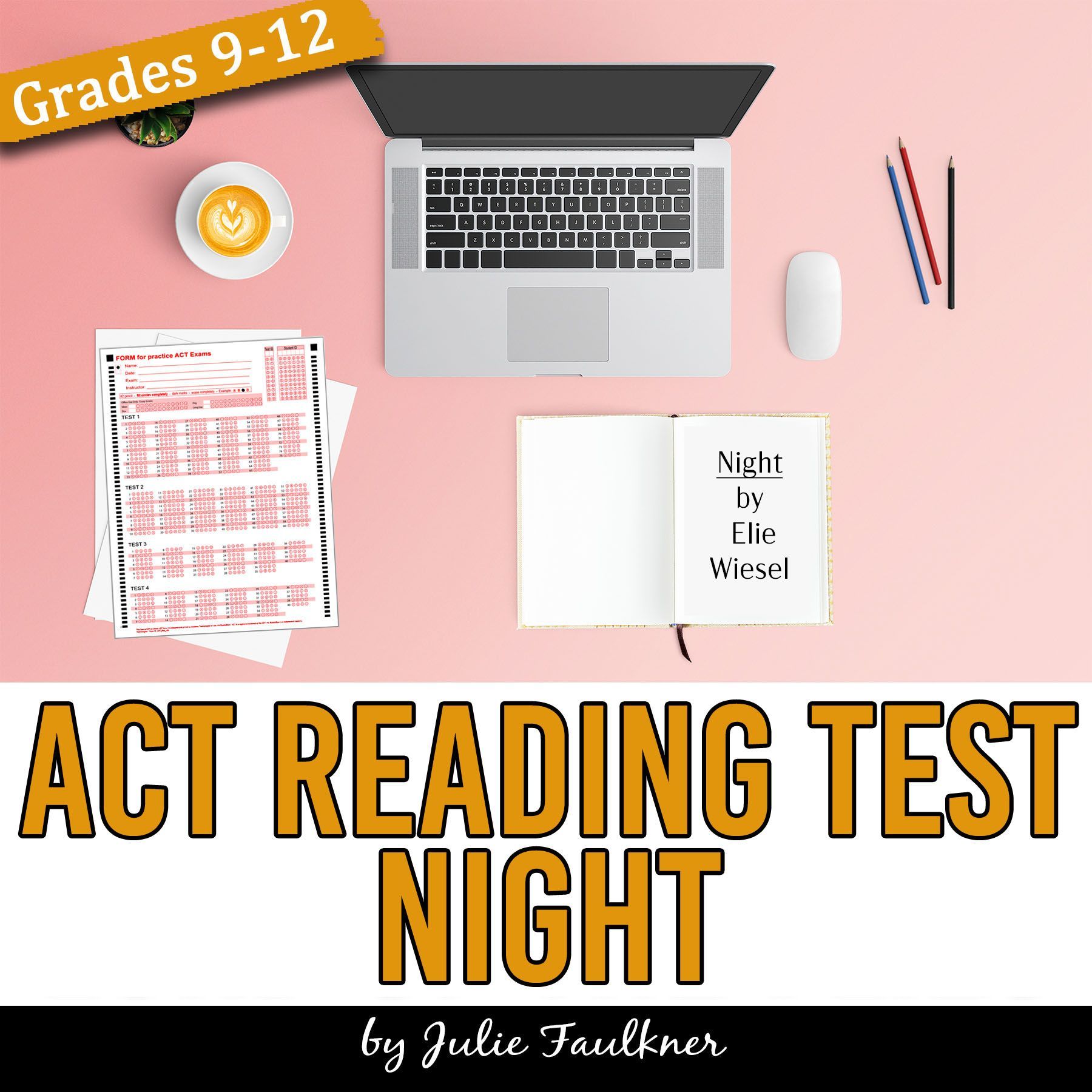
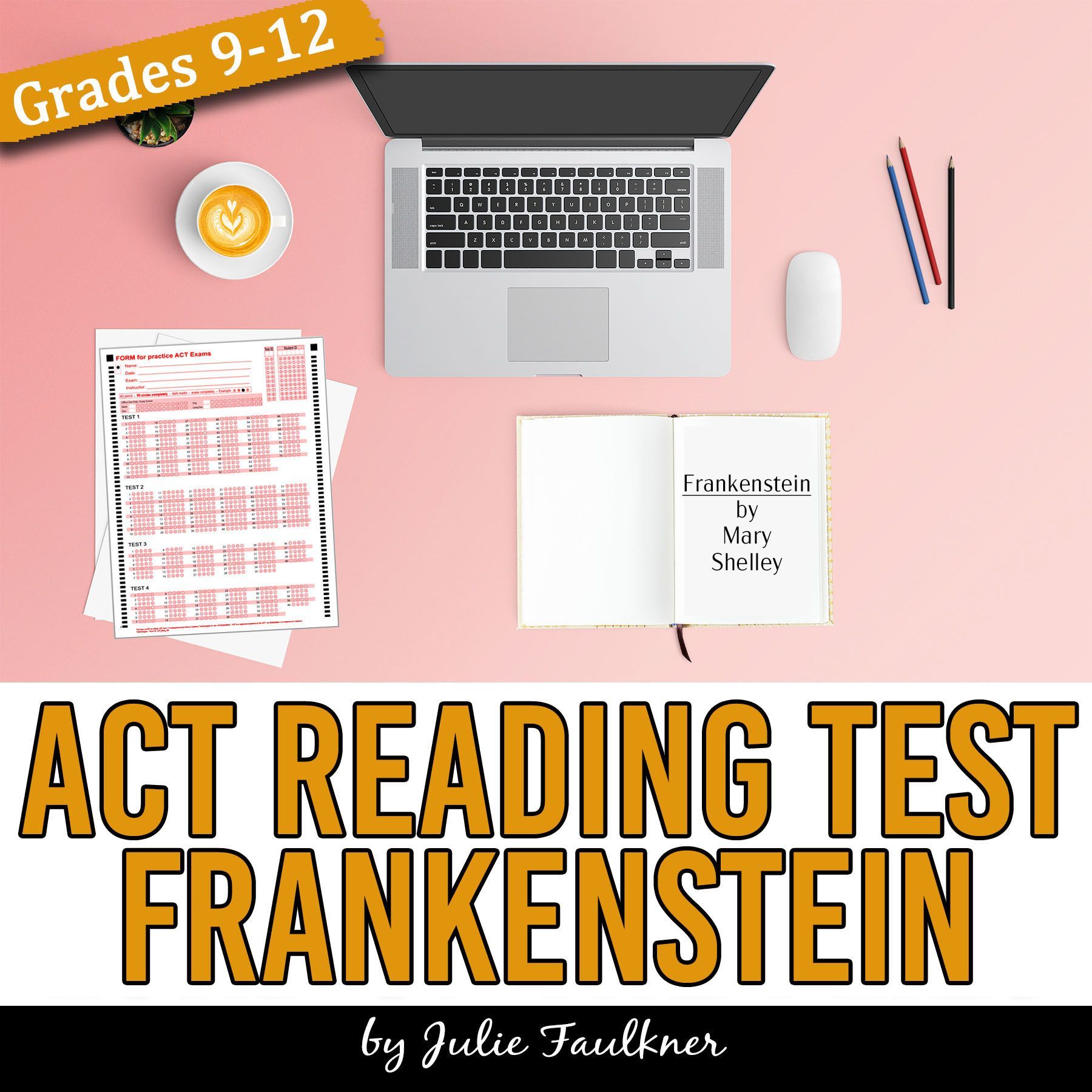
Looking for ready-to-use ACT reading passage sets? My growing collection includes titles such as The Crucible, The Great Gatsby, Macbeth, Frankenstein, Lord of the Flies, Night, Fahrenheit 451, Walden, Beowulf, and 12 Angry Men with printable and digital options, answer keys with rationales, self-checking forms, and flexible formats for bell ringers, sub plans, independent practice, or full ACT-style reading assessments.
Love this content?
Sign up for my email newsletter with more tips, ideas, success stories, and freebies!